

The UAE has changed dramatically within just a few generations. What was once a region shaped by desert life, trade, and close-knit communities is now known worldwide for its modern cities, global connections, and rapid development. Exploring the UAE past and present offers valuable insight into how tradition and progress continue to shape everyday life in the country. When discussing historical education systems versus modern ones, students may find insights from MSA Student Zone helpful for understanding contemporary learning frameworks in UAE universities.
Why the Topic “UAE Past and Present” Matters in University Assignments

Across UAE universities, students are frequently asked to analyze how historical foundations shape modern identity, governance, education, and economic development. This topic appears in history essays, sociology papers, cultural studies projects, and even business and political science assignments.
Academic Relevance Across Disciplines
- Humanities & Social Sciences: National identity, heritage, globalization
- Business & Economics: Oil economy vs diversified economy
- Political Science: Federal governance and regional diplomacy
- Education & Media Studies: Language, modernization, and cultural balance
Understanding the UAE past and present allows students to demonstrate critical thinking rather than simple narration, something UAE grading rubrics strongly reward.
The UAE Before Formation: Life Then

Tribal Society and Social Structure
Before 1971, the region consisted of tribal communities organized around kinship, loyalty, and survival. Leadership rested with respected tribal elders who governed through consensus rather than formal institutions. In academic contexts, this historical development is often explored through essay writing, where students analyze social structures, governance systems, and cultural evolution in a structured and critical format.
Daily life was deeply connected to the environment. Survival depended on cooperation, adaptability, and knowledge passed orally across generations.
Economic Foundations Before Oil
The economy relied on:
- Pearl diving
- Fishing and coastal trade
- Date farming in oases
- Caravan trade routes connecting Arabia, Persia, and India
This period of the UAE past reflects resilience, simplicity, and a strong communal ethic, elements often highlighted in academic analysis.
Cultural Identity in the UAE Then
Language, Religion, and Values
Arabic language and Islamic principles shaped social behavior, legal norms, and education. Informal learning occurred through:
- Mosques
- Family instruction
- Apprenticeships
Students often underestimate how deeply these values continue to influence modern academic, legal, and workplace environments in the UAE today.
The Turning Point: Discovery of Oil

Economic and Political Transformation
The discovery of oil in the mid-20th century marked a historic shift. Revenues enabled infrastructure development, healthcare, education systems, and urban planning, laying the groundwork for the modern UAE. Balancing tradition with globalized academic expectations is easier when you consider guidance from platforms like Sustainability Projects for Students, which show modern applications of UAE societal development.
For academic writing, this transition is critical. Professors expect students to analyze:
- Cause-and-effect relationships
- Social impact of economic growth
- Policy decisions and leadership vision
Simply stating “oil changed everything” is rarely sufficient in UAE university assignments.
Formation of the UAE: A Defining Moment
1971 and the Birth of a Nation
The unification of seven Emirates under visionary leadership created political stability and a shared national identity. This period is central when discussing UAE past and present in political science and governance-related essays.
Key academic discussion points include:
- Federal structure
- Balance between Emirate autonomy and national unity
- Long-term nation-building strategies
Education in the UAE: Then vs Now
Learning in the Past
Education before unification was informal and limited. Knowledge focused on religion, survival skills, and oral traditions.
Modern UAE Education System
Today, the UAE hosts:
- British, American, Australian, and UAE curricula
- World-ranked universities in Dubai and Abu Dhabi
- Research-driven academic standards
This contrast is often used in assignments to illustrate modernization while preserving cultural identity.
UAE Society Today: A Global Crossroads
Multicultural Population
The UAE’s present-day society includes people from hundreds of nationalities. This diversity influences:
- Classroom discussions
- Group assignments
- Academic expectations
Students writing about the UAE present must acknowledge both opportunity and complexity—especially when analyzing social integration and identity.
Balancing Tradition and Modernity
One of the most compelling academic angles is how the UAE balances:
- Cultural heritage
- Technological advancement
- Global economic participation
Strong essays compare historical values with contemporary realities rather than treating them as opposites.
Governance and Leadership: Evolution Over Time

Leadership in the Past
Leadership relied on trust, tribal loyalty, and personal reputation.
Modern Governance
Today’s governance model blends tradition with innovation:
- Federal councils
- Vision-based leadership strategies
- Long-term national plans
This evolution is frequently assessed in UAE university coursework, requiring analytical depth rather than surface-level description. International students writing about UAE’s economic transformation can use references from Internships in Dubai for Students to illustrate contemporary professional opportunities connected to historical growth.
Economic Diversification: From Oil to Innovation
The UAE Economy Then
Oil revenues dominated early development phases.
The UAE Economy Now
The present economy includes:
- Tourism
- Aviation
- Finance
- Renewable energy
- Technology and AI
Assignments that connect economic diversification with historical decision-making tend to score higher under UAE academic grading criteria.
Common Academic Challenges Students Face With This Topic
Over-Descriptive Writing
Many students list historical events without analysis. UAE universities expect interpretation, comparison, and evaluation.
Weak Structure
Assignments often lack a clear “then vs now” framework, making arguments unclear.
Referencing Errors
Incorrect citation of historical sources or government publications can raise plagiarism concerns.
This is where academic writing support becomes crucial, especially under tight UAE submission deadlines.
How to Approach a Strong “UAE Past and Present” Assignment
Develop a Clear Comparative Framework
Organize content into:
- Social structure (then vs now)
- Economy (then vs now)
- Education (then vs now)
- Governance (then vs now)
Use Academic Tone and Evidence
Support arguments with:
- Scholarly sources
- Government publications
- Peer-reviewed research
Maintain Cultural Sensitivity
UAE universities value respectful, balanced academic discussion, particularly on historical and cultural topics. Analyzing societal changes over time is strengthened by insights from Students of Determination, showing how UAE inclusion policies evolved alongside modernization.
Why Students in UAE Seek Academic Writing Help
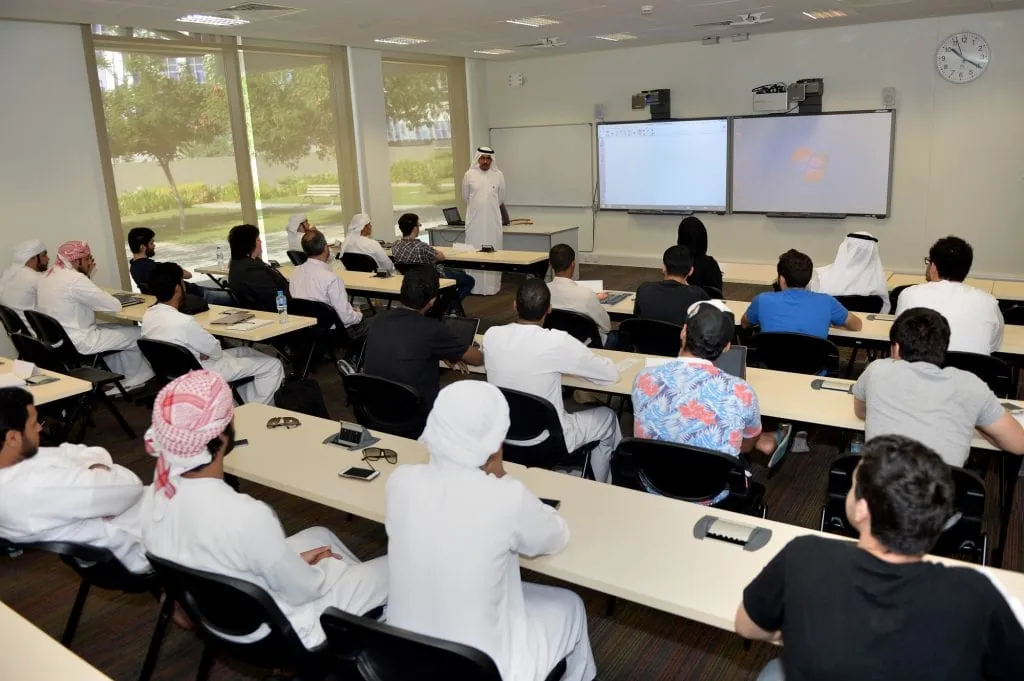
Students in UAE universities often juggle:
- Multiple assignment deadlines
- High grading standards
- Language barriers
- Strict plagiarism policies
Professional academic writing help in the UAE supports students by ensuring clarity, originality, proper referencing, and compliance with university expectations.
FAQs
Q1. Is “UAE past and present” a common university assignment topic?
A. Yes. It frequently appears in humanities, business, political science, and foundation-year courses across UAE universities.
Q2. Do UAE universities expect critical analysis or simple history?
A. Critical analysis is expected. Students must compare, evaluate, and explain change, not just describe events.
Q3. Which referencing style is usually required?
A. APA and Harvard are most common, but requirements vary by university and department.
Q4. Can international students write critically about UAE history?
A. Yes, when done respectfully, academically, and with credible sources. Cultural sensitivity is essential.
Q5. What happens if plagiarism is detected?
A. Penalties range from grade reduction to assignment failure or disciplinary action, depending on university policy.
Final Thoughts
Understanding the UAE past and present is more than a history lesson, it’s a test of analytical thinking, academic structure, and cultural awareness. With UAE university deadlines approaching fast and grading expectations remaining high, waiting until the last moment can cost valuable marks. If your assignment clock is ticking, now is the time to secure expert academic support before submission pressure peaks.