Gulf Assignment Challenges: Tips for UAE Students

Gulf Assignment Challenges:

University life in the UAE moves fast. Between lectures, part-time work, family responsibilities, and tight submission windows, many students feel overwhelmed the moment assignments begin to pile up. In simple terms, a gulf assignment is a structured coursework task assigned by universities in the Gulf region, including Dubai, Abu Dhabi, Sharjah, and Ajman, that assesses students’ understanding of course material, research skills, critical thinking, and ability to apply theory to real-world scenarios. Understanding how to manage gulf assignment expectations early can make the difference between constant stress and confident academic progress. Students balancing internships alongside coursework can benefit from Internships in Dubai for Students, highlighting ways to integrate professional experience without compromising assignment quality. Understanding Assignment Pressure in the UAE Education System Why Assignments Matter More Than Students Expect In universities across Dubai, Abu Dhabi, Sharjah, and Ajman, coursework carries significant weight. Assignments are not side tasks; they directly shape final grades and academic standing. Professors use them to evaluate critical thinking, research ability, and how well students apply theory to real situations. To meet these expectations, many students also seek research writing help to improve the structure, clarity, and quality of their academic work. Different Academic Standards, One Common Challenge Students in UAE universities often follow British, American, Australian, or blended academic models. Each system has its own expectations for structure, referencing, and argument development. For many students in UAE, switching between these standards becomes a major hurdle during their first few semesters. Common Difficulties Students Face with Gulf Assignments Managing Tight Deadlines Across Multiple Subjects It is common for students to have several submissions due within the same week. Without a clear planning strategy, even capable students fall behind. Late submissions can lead to penalties that impact overall grades. Understanding What Professors Really Want Assignment briefs may appear straightforward, yet many students misinterpret them. Words like “critically analyze,” “evaluate,” or “compare” have specific academic meanings that professors expect students to understand and apply correctly. Academic Writing in a Second Language For international students and even many local students, English academic writing presents a challenge. Grammar issues, unclear arguments, and limited academic vocabulary can weaken otherwise strong ideas. Research Expectations at UAE Universities Using Credible Academic Sources Universities in the UAE expect students to rely on peer-reviewed journals, academic books, and reputable databases. Websites, blogs, and general articles are rarely acceptable unless explicitly stated. Applying Research, Not Just Reporting It One major mistake students make in a gulf assignment is listing sources without analysis. Professors look for interpretation, how research supports or challenges the student’s argument. For managing commuting and university logistics while completing assignments, the Student NOL Card is a key resource for UAE students navigating city transport efficiently. Referencing and Plagiarism Rules You Cannot Ignore Strict Academic Integrity Policies Universities in Dubai and Abu Dhabi enforce plagiarism policies seriously. Even accidental mistakes in citation can lead to grade reductions or disciplinary action. Referencing Styles Used in UAE Institutions Depending on the program, students may be required to use APA, Harvard, MLA, Chicago, or OSCOLA. Each style has detailed rules that must be followed consistently throughout the assignment. Time Management Strategies That Actually Work Breaking Assignments into Smaller Tasks Successful students divide their gulf assignment into stages: understanding the brief, research, outlining, drafting, editing, and final proofreading. This approach reduces last-minute panic. Balancing University and Personal Responsibilities Many students in UAE juggle internships, part-time jobs, or family commitments. Creating a realistic weekly schedule helps prevent academic burnout. Structuring Assignments for Higher Grades Strong Introductions Set the Tone A good introduction clearly outlines the topic, purpose, and direction of the assignment. Professors often decide the quality of work within the first few paragraphs. Logical Flow and Clear Arguments Each paragraph should serve a purpose. Ideas must connect logically, with clear transitions guiding the reader through the argument. Conclusions That Add Value Rather than repeating points, strong conclusions reflect on findings and show broader understanding of the subject. Language Clarity and Academic Tone Avoiding Informal or Conversational Writing Assignments require a formal yet clear tone. Slang, contractions, and casual expressions weaken academic credibility. Editing for Precision and Readability Simple sentences often communicate ideas better than overly complex ones. Careful editing improves clarity without oversimplifying content. Those seeking flexible work opportunities alongside heavy coursework can refer to Online Jobs UAE for Students to balance part-time income and academic deadlines responsibly. When Students Seek Gulf Assignment Support Recognizing When Help Is Needed Seeking assistance is not a sign of weakness. Many high-performing students use academic writing help in UAE to refine structure, improve clarity, and meet university standards. Ethical Use of Academic Support Services Responsible support focuses on guidance, editing, and academic mentoring. Students should always submit work that reflects their understanding and complies with university rules. Preparing for High-Stakes Submissions Last-Minute Checks That Protect Your Grades Before submitting any gulf assignment, students should review formatting, references, plagiarism reports, and word count compliance. Understanding Marking Rubrics Most UAE universities provide grading criteria. Aligning assignments closely with these rubrics improves scoring potential. Long-Term Academic Skill Development Learning from Feedback Professor comments are valuable learning tools. Reviewing feedback helps students avoid repeating mistakes in future assignments. Building Confidence Over Time With practice and the right strategies, students gradually become more comfortable handling complex assignments independently. For students exploring UAE history or culture-based assignments, UAE Past and Present: Then and Now provides credible sources and context that can strengthen research and critical analysis sections of their work. FAQs Q1. How strict are assignment deadlines in UAE universities? A. Deadlines are taken very seriously. Late submissions often result in penalties unless valid documentation is provided. Q2. Can international students use academic writing help in UAE? A. Yes, many international students seek guidance to understand local academic expectations, provided they follow university integrity policies. Q3. What happens if plagiarism is detected? A. Consequences range from grade reduction to course failure, depending on severity and university policy. Q4. Which referencing style is most common in UAE universities? … Read more

UAE Past and Present: Then and Now

UAE Past and Present

The UAE has changed dramatically within just a few generations. What was once a region shaped by desert life, trade, and close-knit communities is now known worldwide for its modern cities, global connections, and rapid development. Exploring the UAE past and present offers valuable insight into how tradition and progress continue to shape everyday life in the country. When discussing historical education systems versus modern ones, students may find insights from MSA Student Zone helpful for understanding contemporary learning frameworks in UAE universities. Why the Topic “UAE Past and Present” Matters in University Assignments Across UAE universities, students are frequently asked to analyze how historical foundations shape modern identity, governance, education, and economic development. This topic appears in history essays, sociology papers, cultural studies projects, and even business and political science assignments. Academic Relevance Across Disciplines Humanities & Social Sciences: National identity, heritage, globalization Business & Economics: Oil economy vs diversified economy Political Science: Federal governance and regional diplomacy Education & Media Studies: Language, modernization, and cultural balance Understanding the UAE past and present allows students to demonstrate critical thinking rather than simple narration, something UAE grading rubrics strongly reward. The UAE Before Formation: Life Then   Tribal Society and Social Structure Before 1971, the region consisted of tribal communities organized around kinship, loyalty, and survival. Leadership rested with respected tribal elders who governed through consensus rather than formal institutions. In academic contexts, this historical development is often explored through essay writing, where students analyze social structures, governance systems, and cultural evolution in a structured and critical format. Daily life was deeply connected to the environment. Survival depended on cooperation, adaptability, and knowledge passed orally across generations. Economic Foundations Before Oil The economy relied on: Pearl diving Fishing and coastal trade Date farming in oases Caravan trade routes connecting Arabia, Persia, and India This period of the UAE past reflects resilience, simplicity, and a strong communal ethic, elements often highlighted in academic analysis. Cultural Identity in the UAE Then Language, Religion, and Values Arabic language and Islamic principles shaped social behavior, legal norms, and education. Informal learning occurred through: Mosques Family instruction Apprenticeships Students often underestimate how deeply these values continue to influence modern academic, legal, and workplace environments in the UAE today. The Turning Point: Discovery of Oil Economic and Political Transformation The discovery of oil in the mid-20th century marked a historic shift. Revenues enabled infrastructure development, healthcare, education systems, and urban planning, laying the groundwork for the modern UAE. Balancing tradition with globalized academic expectations is easier when you consider guidance from platforms like Sustainability Projects for Students, which show modern applications of UAE societal development. For academic writing, this transition is critical. Professors expect students to analyze: Cause-and-effect relationships Social impact of economic growth Policy decisions and leadership vision Simply stating “oil changed everything” is rarely sufficient in UAE university assignments. Formation of the UAE: A Defining Moment 1971 and the Birth of a Nation The unification of seven Emirates under visionary leadership created political stability and a shared national identity. This period is central when discussing UAE past and present in political science and governance-related essays. Key academic discussion points include: Federal structure Balance between Emirate autonomy and national unity Long-term nation-building strategies Education in the UAE: Then vs Now Learning in the Past Education before unification was informal and limited. Knowledge focused on religion, survival skills, and oral traditions. Modern UAE Education System Today, the UAE hosts: British, American, Australian, and UAE curricula World-ranked universities in Dubai and Abu Dhabi Research-driven academic standards This contrast is often used in assignments to illustrate modernization while preserving cultural identity. UAE Society Today: A Global Crossroads Multicultural Population The UAE’s present-day society includes people from hundreds of nationalities. This diversity influences: Classroom discussions Group assignments Academic expectations Students writing about the UAE present must acknowledge both opportunity and complexity—especially when analyzing social integration and identity. Balancing Tradition and Modernity One of the most compelling academic angles is how the UAE balances: Cultural heritage Technological advancement Global economic participation Strong essays compare historical values with contemporary realities rather than treating them as opposites. Governance and Leadership: Evolution Over Time Leadership in the Past Leadership relied on trust, tribal loyalty, and personal reputation. Modern Governance Today’s governance model blends tradition with innovation: Federal councils Vision-based leadership strategies Long-term national plans This evolution is frequently assessed in UAE university coursework, requiring analytical depth rather than surface-level description. International students writing about UAE’s economic transformation can use references from Internships in Dubai for Students to illustrate contemporary professional opportunities connected to historical growth. Economic Diversification: From Oil to Innovation The UAE Economy Then Oil revenues dominated early development phases. The UAE Economy Now The present economy includes: Tourism Aviation Finance Renewable energy Technology and AI Assignments that connect economic diversification with historical decision-making tend to score higher under UAE academic grading criteria. Common Academic Challenges Students Face With This Topic Over-Descriptive Writing Many students list historical events without analysis. UAE universities expect interpretation, comparison, and evaluation. Weak Structure Assignments often lack a clear “then vs now” framework, making arguments unclear. Referencing Errors Incorrect citation of historical sources or government publications can raise plagiarism concerns. This is where academic writing support becomes crucial, especially under tight UAE submission deadlines. How to Approach a Strong “UAE Past and Present” Assignment Develop a Clear Comparative Framework Organize content into: Social structure (then vs now) Economy (then vs now) Education (then vs now) Governance (then vs now) Use Academic Tone and Evidence Support arguments with: Scholarly sources Government publications Peer-reviewed research Maintain Cultural Sensitivity UAE universities value respectful, balanced academic discussion, particularly on historical and cultural topics. Analyzing societal changes over time is strengthened by insights from Students of Determination, showing how UAE inclusion policies evolved alongside modernization. Why Students in UAE Seek Academic Writing Help Students in UAE universities often juggle: Multiple assignment deadlines High grading standards Language barriers Strict plagiarism policies Professional academic writing help in the UAE supports students by ensuring … Read more

Weekend Classes in UAE Universities: Are They Allowed?

Weekend Classes in UAE Universities

For many students in the United Arab Emirates, balancing academics with work, family, and personal commitments is a daily challenge. One common question that comes up, especially during busy semesters, is whether universities in the UAE are allowed to conduct weekend classes and how this affects academic life, particularly when managing tasks like essay writing. Understanding the Academic Week in UAE Universities The UAE follows a slightly different academic rhythm compared to many other countries. While the standard academic week globally often runs from Monday to Friday, universities in Dubai, Abu Dhabi, Sharjah, Ajman, and other Emirates operate within a framework shaped by local work culture and international education models. International students may face an academic culture shock in UAE when adjusting to weekend class intensity and accelerated schedules. Typical University Schedules Most full-time undergraduate and postgraduate programs schedule lectures between Monday and Friday. These days align with campus operations, faculty availability, and student services such as libraries and academic support centers. Why the Weekend Question Matters With part-time jobs, internships, and family responsibilities, many students in UAE look for flexibility. This is where questions about weekend classes UAE universities allow begin to surface, particularly among working professionals and international students. Are Weekend Classes Allowed in UAE Universities? Yes, weekend classes are allowed, but they are not standard across all programs or institutions. Institutional Autonomy Universities in UAE have the authority to design their academic schedules within accreditation guidelines. This means weekend classes may be permitted depending on: Program structure Mode of study (full-time, part-time, executive) Faculty availability Student demand However, weekend teaching is usually the exception rather than the norm. Which Programs Commonly Offer Weekend Classes? Weekend classes are more likely in specific academic formats. Executive and Professional Degrees MBA programs, executive education, and professional diplomas often include weekend sessions. These programs cater to working professionals who cannot attend weekday classes. Part-Time and Continuing Education Some universities in Dubai and Abu Dhabi offer part-time degrees with weekend options. These programs are structured to accommodate students balancing work and study. Short-Term and Modular Courses Certificate programs, foundation courses, and skills-based modules may schedule intensive weekend classes to complete coursework efficiently. Why Full-Time Programs Rarely Use Weekends Traditional undergraduate and postgraduate programs typically avoid weekend teaching. Academic Consistency Full-time degrees follow a structured weekly learning pace that includes lectures, tutorials, labs, and independent study time. Weekend classes can disrupt this balance. Student Wellbeing Universities recognize that students need downtime for rest, revision, and assignment preparation, especially during peak assessment periods. Faculty and Resource Availability Most academic staff are contracted for weekday teaching, and campus facilities may operate on reduced schedules during weekends. Planning your semester efficiently also involves understanding semester break rules in UAE. Weekend Classes and International University Standards Many UAE universities follow British, American, or Australian academic frameworks. Alignment with Global Models These international systems generally emphasize weekday instruction. Weekend classes are acceptable in professional or executive programs but uncommon in standard degrees. Accreditation Considerations Accrediting bodies focus on learning outcomes rather than days of instruction. As long as academic quality is maintained, weekend classes are permissible within certain formats. How Weekend Classes Affect Academic Workload Students often underestimate how weekend classes change the academic experience. Compressed Learning Weekend sessions are usually longer and more intensive. This requires sustained concentration and advanced preparation. Faster Assignment Turnarounds Assignments linked to weekend classes often come with shorter deadlines, increasing pressure on students. Reduced Recovery Time Without weekdays free for recovery, students may struggle to manage fatigue alongside academic expectations. Impact on Assignment Writing and Assessment Preparation This is where weekend classes directly influence academic performance. Limited Writing Time Students attending weekend classes may find less time for research, drafting, and revision especially for essays and reports. Higher Expectations Instructors often expect weekend students to demonstrate maturity, independence, and strong academic writing skills. Increased Risk of Errors Tight schedules can lead to rushed submissions, referencing mistakes, or unclear arguments. Weekend Classes and Academic Integrity in UAE UAE universities apply strict academic integrity policies, regardless of class schedules. No Flexibility on Rules Even if students attend weekend classes, plagiarism rules, citation standards, and originality requirements remain unchanged. Common Risks Students under time pressure may unintentionally: Over-rely on sources Misuse paraphrasing Miss citation details Universities do not consider time constraints as an excuse for violations. Weekend schedules often add pressure, making it essential to familiarize yourself with university grading systems. How Students in UAE Can Manage Weekend Class Pressure Effective planning becomes essential. Time Management Strategies Students should: Start assignments early Break tasks into smaller milestones Schedule writing time during weekdays Understanding Rubrics Early Weekend courses often move quickly. Understanding grading criteria from the start prevents confusion later. Seeking Clarification Asking instructors questions early can save time and prevent rework. Weekend Classes vs Online Learning in UAE Some students confuse weekend classes with online flexibility. Not the Same Experience Weekend classes are usually face-to-face or live sessions with strict attendance requirements. Online Courses Online programs may offer asynchronous learning, but assessments still follow strict deadlines. Hybrid Models Some universities combine weekend sessions with online components to reduce campus time. Assignment Writing Challenges Specific to Weekend Programs Students in weekend-based programs often face unique writing hurdles. Condensed Research Time With fewer weekdays available, research becomes more intense and focused. Higher Self-Directed Learning Weekend programs expect students to manage readings, drafts, and revisions independently. Language and Structure Issues Students with strong professional experience but limited academic writing exposure may struggle with formal standards. The Role of Academic Writing Help in UAE for Weekend Students This is where structured academic support becomes relevant. Why Weekend Students Seek Support Students enrolled in weekend classes UAE universities allow often look for help due to: Tight submission timelines Complex assignment instructions High grading expectations Ethical Academic Guidance Proper academic writing support focuses on: Structuring arguments Improving clarity Correct referencing Understanding feedback This helps students meet university standards without compromising integrity. Choosing the Right Support for UAE Weekend Programs Not … Read more

How University Grading Systems Differ Across UAE Institutions

How University Grading Systems Differ Across UAE Institutions

Understanding how grades are awarded in universities can be crucial for students planning their academic journey in the UAE. The grading system UAE universities follow varies across institutions, reflecting differences in curriculum structure, teaching methods, and academic standards. For international students or those transferring between programs, navigating these differences is essential for meeting academic goals, maintaining scholarship eligibility, and planning future studies. Alongside this, students often improve their academic performance through coursework report writing UAE, which helps them present assignments in a structured, clear, and academically acceptable format. An Overview of UAE University Grading Systems UAE universities adopt a variety of grading frameworks, often influenced by British, American, Canadian, or UAE national education standards. While some institutions use letter grades (A, B, C), others rely on numerical or percentage-based systems. Understanding these variations can help students accurately interpret their academic performance and align with program requirements, especially when managing tasks like assignment writing. Accreditation standards also play a key role; checking university accreditation in the United Arab Emirates ensures that grading practices are recognized nationally and internationally. Common Grading Frameworks in the UAE: Letter Grades with GPA Conversion: Popular in American-style universities, where grades are converted into a Grade Point Average (GPA) on a 4.0 or 5.0 scale. Percentage-Based Grades: Frequently used in UAE public universities and some British-style programs, often ranging from 0 to 100%. Pass/Fail Systems: Limited use for certain modules or professional training courses, typically for project-based or experiential learning. Grading Systems in Major UAE Universities 1. American University in Dubai (AUD) AUD follows a classic American grading system with GPA on a 4.0 scale. Letter grades are assigned as follows: A: 90–100% (4.0) B: 80–89% (3.0–3.9) C: 70–79% (2.0–2.9) D: 60–69% (1.0–1.9) F: Below 60% (0) Students must maintain a minimum GPA, typically around 2.0, to remain in good academic standing. The university also offers distinctions for high achievers, such as Dean’s List recognition for students maintaining a 3.5 GPA or higher. 2. University of Dubai (UD) UD adopts a hybrid system combining percentage scores with letter grades. Most courses are assessed on a scale of 0–100%, which is then converted into a GPA as follows: A+: 95–100% A: 90–94% B+: 85–89% B: 80–84% C+: 75–79% C: 70–74% D: 60–69% F: Below 60% This method helps students see both their percentage achievements and how they translate into the GPA, ensuring clarity for future academic applications. 3. British University in Dubai (BUiD) BUiD follows a UK-style grading system, emphasizing classifications rather than GPA: First Class (70%+): Exceptional performance Upper Second Class (60–69%): Above-average understanding Lower Second Class (50–59%): Competent performance Third Class (40–49%): Minimum passing standard Fail (<40%) BUiD also includes formative assessments, including group projects, research reports, and presentations, contributing to the overall classification. 4. United Arab Emirates University (UAEU) As a public university, UAEU relies primarily on percentage grades, often with letter-grade equivalents for GPA reporting: A: 90–100% B: 80–89% C: 70–79% D: 60–69% F: <60% GPA conversion is similar to international standards, making it easier for students applying for overseas programs or scholarships. UAEU emphasizes continuous assessment, combining exams, assignments, and participation scores. Students taking flexible courses should consider online learning platforms in UAE universities, which often include integrated grade tracking and assignment submission tools. Factors Influencing Grading System Differences Several factors contribute to variations in grading systems across UAE universities: 1. Curriculum Structure Universities following American curricula often use GPA-based grading, emphasizing credit hours, course weighting, and cumulative performance. British-influenced institutions, however, focus on degree classifications and cumulative module marks. 2. Teaching and Assessment Methods Lecture-based instruction: More common in public universities; grading is heavily based on exams. Interactive or seminar-based teaching: Common in private institutions; includes assignments, presentations, and participation as part of grading. 3. Program Level Grading expectations differ between undergraduate and graduate programs. Postgraduate programs may require higher GPA thresholds for progression or graduation, reflecting increased rigor and specialization. 4. Accreditation and International Recognition Some UAE universities align grading with international accreditation standards, ensuring smooth credit transfers or eligibility for further studies abroad. For example, AACSB-accredited business programs may adhere closely to GPA-based evaluation to align with global practices. Implications for Students Understanding grading differences is critical for academic planning: 1. GPA Calculations Students transferring between institutions need to be aware of conversion standards. For example, a 75% grade in a British-style system may equate to a B+ in an American GPA system, affecting scholarship eligibility or academic standing. 2. Scholarship and Financial Aid Eligibility Many scholarships require maintaining specific GPA thresholds. Misunderstanding the grading system may lead to unintentional ineligibility or academic probation. For first-year students, being aware of first-year mistakes students make in UAE universities, like misunderstanding grading scales, can prevent future academic challenges. 3. Career and Postgraduate Applications Employers and postgraduate programs often request GPA or class classification details. Being familiar with how your university calculates grades ensures accurate reporting on resumes and applications. 4. Academic Strategy and Planning Knowing which assessments carry more weight allows students to prioritize tasks. For instance, if exams constitute 60% of the final grade, focusing study efforts accordingly can optimize outcomes. Best Practices for Navigating UAE University Grading Review the Academic Handbook: Each university provides detailed explanations of grading policies, including GPA conversion tables and assessment weightings. Seek Advisor Guidance: Academic advisors can help interpret grading scales and provide strategies to maintain good standing. Track Your Performance: Maintain a record of grades, GPA calculations, and assessment deadlines to stay on top of academic progress. Plan Ahead for Transfers: If planning to move to another university, understand how your grades will be interpreted under the new system. Focus on Continuous Assessment: UAE universities often combine exams, assignments, and participation scores. Excelling in all areas ensures strong overall performance. Understanding personal readiness and program requirements is essential, especially for those considering who should not study in the UAE, to avoid misalignment with grading expectations or academic pressures. FAQs Q1. Do all UAE universities use the same grading system? A. No. Grading systems … Read more

Online Learning Platforms in UAE Universities: Student Guide

Online Learning Platforms in UAE Universities

In recent years, the educational landscape in the UAE has evolved dramatically. With the rise of digital technologies and a growing focus on flexible learning, online learning UAE universities have become a central feature of student life. From Dubai to Abu Dhabi, Sharjah to Ajman, students are increasingly relying on online platforms to complement traditional classroom experiences, manage assignments, and enhance academic outcomes. Understanding the Rise of Online Learning in UAE Universities The shift toward online learning in UAE universities is influenced by multiple factors: Technological advancement: High-speed internet and cloud-based learning tools have made online education more accessible. International academic standards: Many UAE universities follow British, American, and Australian curricula, which incorporate e-learning for enhanced engagement. Student convenience: With growing academic pressure, part-time jobs, and internships, students in the UAE need flexible study options that fit their schedules. Global events: The COVID-19 pandemic accelerated the adoption of online platforms, highlighting their value in maintaining academic continuity. Universities now blend traditional face-to-face instruction with online learning tools, creating a hybrid model that supports diverse learning needs. For international students in particular, this transition can initially feel overwhelming, especially when adjusting to new teaching styles and expectations, an experience often described as academic culture shock in UAE universities. During this adjustment period, many students rely on Blackboard help UAE to navigate online platforms, access course materials, and stay organized with assignments and deadlines. Common Online Learning Platforms in UAE Universities 1. Moodle Moodle is a popular open-source learning management system (LMS) used widely in UAE universities such as the University of Sharjah and Abu Dhabi University. Features: Course management and syllabus distribution Online quizzes and assessment submission Discussion forums for collaborative learning Practical Example: A student in a business management program in Dubai might submit weekly case study analyses via Moodle, receive feedback, and participate in group discussions—all from home. 2. Blackboard Blackboard is another widely adopted platform, particularly in institutions offering American-style education, including the American University in Dubai. Features: Lecture recordings and live virtual classes Assignment tracking and grade management Interactive tools such as virtual whiteboards and polls Practical Example: An engineering student at Abu Dhabi University can access lecture recordings on Blackboard, revisit complex technical concepts, and submit lab reports online. 3. Canvas Canvas has become increasingly popular for its intuitive interface and integration capabilities. Universities like the Canadian University Dubai and University of Dubai employ Canvas to support online learning. Features: Seamless integration with Google Drive and Microsoft Office Peer review and group project functionalities Personalized dashboards for students to track progress Practical Example: A computer science student working on coding assignments can submit code snippets, receive automated feedback, and collaborate with peers on group projects via Canvas. 4. Microsoft Teams and Zoom Many UAE universities have integrated communication tools like Microsoft Teams and Zoom for synchronous online learning. Features: Live lectures and tutorials Breakout rooms for small group discussions Real-time Q&A sessions with instructors Practical Example: A law student attending an international law seminar at a Dubai-based university can join a live session via Teams, interact with professors, and submit reflective essays electronically. This flexibility is especially valuable for students enrolled in evening programs in UAE universities, where balancing daytime work and academic responsibilities is a common challenge. Benefits of Online Learning Platforms for UAE Students Flexible Scheduling Students balancing part-time jobs, internships, or family responsibilities benefit from asynchronous learning options. Recorded lectures and digital resources allow them to study at their own pace. Centralized Academic Resources Platforms like Moodle and Canvas serve as a one-stop hub for course materials, assignment guidelines, academic calendars, and exam schedules. This centralization reduces confusion and ensures students have easy access to all required resources. Enhanced Collaboration Discussion boards, peer reviews, and group project tools foster collaborative learning, even in multicultural settings common in UAE universities. Academic Performance Tracking Online platforms provide dashboards and analytics to track student performance. Students can identify weak areas, plan study sessions, and seek targeted academic support from instructors. Challenges of Online Learning in UAE Universities While online learning offers significant advantages, students must also navigate certain challenges: Technical Barriers Reliable internet access and compatible devices are essential. Students in remote Emirates or those with limited resources may face connectivity issues. Academic Discipline Online learning requires self-motivation and time management. Students must adhere to deadlines and actively participate in discussions to maximize learning outcomes. Adaptation to Different Learning Styles Some students thrive in traditional classroom environments and may find virtual interactions less engaging. Effective online learning in UAE universities often combines synchronous and asynchronous methods to cater to diverse needs. Understanding how assessments are structured and evaluated becomes crucial here, making it important for students to familiarize themselves with university grading systems used across UAE institutions. Assessment Integrity Universities must ensure academic integrity through plagiarism checks and secure assessment systems. Students need guidance on proper citation, referencing, and maintaining ethical standards in digital submissions. How Online Learning Supports Academic Writing and Assignment Submission For students in UAE universities, online platforms play a crucial role in academic writing and assignment management: Submission portals: Students can upload essays, reports, and assignments directly, ensuring timely submission before strict deadlines. Plagiarism detection: Integrated tools like Turnitin help students check originality and maintain academic integrity. Feedback mechanisms: Instructors provide comments and grades digitally, allowing iterative improvements in writing skills. Resource libraries: Students access style guides, citation templates, and academic databases to enhance research quality. For instance, a student in Abu Dhabi working on an economics essay can download reading materials, submit drafts, receive annotated feedback, and resubmit the improved version—all via an LMS like Moodle or Blackboard. Best Practices for UAE Students Using Online Learning Platforms Regular Engagement: Log in daily to check announcements, deadlines, and discussion boards. Time Management: Allocate fixed hours for online lectures, assignments, and revision. Active Participation: Engage in forums, group projects, and peer reviews to maximize learning. Technical Preparedness: Keep software updated and maintain backup copies of assignments. Seek Academic Support: Use university tutoring, … Read more

Re-Taking Failed Courses in UAE Universities

Re-Taking Failed Courses in UAE Universities

Failing a course at university is unsettling, especially for students in the UAE where academic timelines are tight and expectations are high. Understanding how the repeat course UAE university process works can reduce panic, protect your GPA, and help you recover strategically rather than emotionally. Why Course Failure Happens in UAE Universities Academic failure in UAE universities is rarely about intelligence. More often, it results from a combination of pressure, adjustment issues, and system misunderstandings. Many course failures occur because students misunderstand marking criteria, making awareness of assessment methods used in UAE universities essential before attempting a repeat. Academic Transition Challenges Many students move into UAE universities from: Different education systems Non-English academic backgrounds Schools with less independent learning Suddenly, they face: Heavy coursework Research-based assignments Strict marking rubrics This transition alone causes many first-year failures. Language and Academic Writing Gaps Universities in Dubai, Abu Dhabi, Sharjah, and Ajman largely operate in English. Even fluent speakers struggle with: Academic tone Referencing accuracy Critical analysis Weak writing often leads to low coursework grades, pushing final marks below passing thresholds. Time Pressure and Assessment Overload UAE academic calendars move quickly. Students frequently juggle: Multiple submissions in one week Midterms close to finals Group projects alongside exams One poorly managed semester can easily result in course failure. What It Means to Repeat a Course in a UAE University To repeat course UAE university means enrolling again in a previously failed subject to meet degree requirements. This process is regulated, structured, and tied directly to academic standing. In many cases, students also strengthen their understanding of the subject through coursework report writing, which helps them better organise their learning, improve academic performance, and meet course requirements more effectively. Repeat Is Mandatory, Not Optional If a course is: Core to your program A prerequisite for higher-level courses You must repeat it. Alternatives like replacement courses are rare and strictly controlled. Repeat Does Not Erase the Failure In most UAE universities: The original failing grade remains on record The new grade may replace it in GPA calculations Understanding this distinction matters for long-term academic planning. How UAE Universities Decide Who Must Repeat a Course Minimum Passing Grade Rules Passing thresholds vary by institution but are strictly enforced. Failure typically occurs when: Final grade falls below minimum pass mark Required component (exam, lab, project) is failed Some programs require passing both coursework and exams independently. Attendance-Related Failures Even strong academic performance cannot always offset: Excessive absences Missed labs or seminars Attendance rules are taken seriously across UAE campuses. Even strong coursework cannot compensate for low attendance, which is why understanding the attendance policy in UAE universities is critical when repeating a course. When Can You Repeat a Failed Course? Immediate Next Semester Many universities allow repeats in: The following semester The next available offering This is common for high-demand core subjects. Delayed Repeat Options If a course is offered: Only once per year Only in a specific semester Students may need to wait, affecting graduation timelines. Credit Load Rules While Repeating a Course Reduced Course Load Restrictions Students repeating courses may face: Lower maximum credit limits Restrictions on advanced electives This prevents overload but extends program duration. Academic Probation Overlap If course failure leads to probation: Credit caps become stricter Advisor approval becomes mandatory Repeating a course under probation requires careful planning. How Repeating a Course Affects GPA in UAE Universities GPA Replacement vs GPA Averaging Policies differ, but common approaches include: New grade replaces old grade for GPA Both grades appear on transcript Understanding your university’s method is essential. Impact on Scholarships and Funding Repeated courses may affect: Merit scholarships Sponsorship conditions Some funding bodies view repeats as academic risk indicators. Financial Implications of Repeating a Course Additional Tuition Fees Repeating a course usually means: Paying full course fees again Losing previously paid credits This is a major stress factor for many students in the UAE. Visa and Enrollment Status Considerations International students must maintain: Full-time enrollment status Academic progression Excessive repeats can trigger administrative reviews. Repeating even one core subject can extend degree completion time in UAE universities, affecting graduation plans, visas, and career timelines. Emotional Impact of Course Failure on Students in UAE Stress, Shame, and Isolation Many students internalize failure, leading to: Avoidance of academic support Reduced confidence Increased anxiety This emotional weight often worsens performance during repeats. Cultural Expectations and Family Pressure Students in the UAE often carry: High family expectations Financial responsibility Sponsorship obligations A failed course can feel overwhelming without proper guidance. Why Students Fail Again When Repeating Courses Repeating Without Changing Strategy Simply attending lectures again is rarely enough. Students fail again when they: Use the same study methods Ignore feedback from previous attempts Underestimate assessment difficulty Overconfidence After Familiarity Knowing course content can create false confidence, leading to: Late exam preparation Poor assignment planning This is a common repeat-failure pattern. Smart Academic Strategies for Repeating a Course Successfully Analyze the Original Failure Honestly Before repeating, students should review: Marking feedback Examiner comments Assessment breakdowns This reveals where marks were actually lost. Prioritize Coursework Performance In many UAE universities, coursework contributes heavily to final grades. Improving: Essay structure Research quality Referencing accuracy Can significantly raise overall marks. Build a Structured Study Schedule Repeat students benefit from: Weekly study targets Early assignment drafts Regular revision cycles Consistency matters more than intensity. The Role of Academic Writing in Course Repeats Writing Quality Often Determines Pass or Fail Most failed courses involve: Weak argument development Poor academic language Inconsistent citations Improving writing directly improves grades. Common Writing Mistakes Repeat Students Make These include: Answering off-topic Ignoring rubrics Over-summarizing instead of analyzing Avoiding these alone can shift grades upward. Plagiarism Risks When Repeating a Course Reusing Old Assignments Is Dangerous Many students assume: Previous submissions can be reused Minor edits are acceptable Most UAE universities treat this as self-plagiarism. Higher Scrutiny During Repeats Repeat students are often monitored more closely. Plagiarism penalties during a repeat can lead to: Immediate failure Disciplinary action … Read more

American University in Dubai Complete Guide for Students

American University

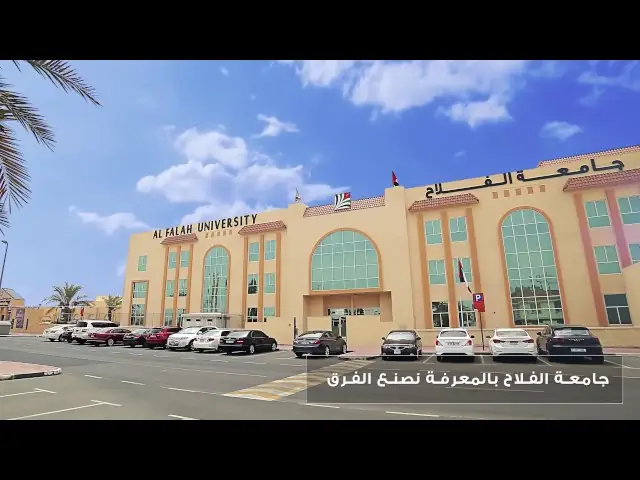
The American University in Dubai (AUD) is one of the most established private universities in the UAE, offering an American-style education in the heart of Dubai. Known for its strong academic standards, multicultural environment, and industry relevant programs, AUD attracts students from the UAE and around the world. This guide is designed for local and international students, parents, and education consultants who are considering the American University in Dubai for undergraduate or postgraduate studies. Founded with the goal of delivering high-quality American education in the region, the American University in Dubai has built a solid reputation over the years. The university offers a wide range of programs across business, engineering, architecture, media, design, and liberal arts. As students progress into advanced stages of their degrees, many also seek dissertation help to effectively structure their research, refine their arguments, and meet rigorous academic standards. This guide is intended for: UAE residents seeking internationally oriented education International students planning to study in Dubai Parents and advisors researching reputable private universities in the UAE Overview of the American University in Dubai The American University in Dubai was established in 1995 and operates as a private, non-profit institution. It follows an American liberal arts education model, combining broad-based learning with specialized professional training. Vision & Mission To provide American-style higher education in a multicultural environment To promote critical thinking, leadership, and global citizenship To prepare graduates for professional success and lifelong learning Reputation AUD is recognized for: Consistent academic quality Diverse student body representing many nationalities Strong programs in architecture, design, engineering, and business Campus Overview Location AUD is located in Dubai Media City, one of the city’s most prominent business and creative hubs. The location offers students close proximity to media companies, multinational firms, and innovation centers. Why AUD Exists in Dubai To support Dubai’s vision as a global education and business hub To provide American education without requiring students to study abroad To serve both local and international student communities Campus Environment The campus offers: A modern, compact university setting Small to medium class sizes A diverse and inclusive academic community Accreditation & Recognition The American University in Dubai operates under recognized academic oversight. Licensed by: Knowledge and Human Development Authority (KHDA), Dubai Institutional accreditation: Middle States Commission on Higher Education (USA) Program recognition: Degrees are widely accepted by employers and institutions Degree Recognition AUD degrees are: Recognized in the UAE private sector Accepted internationally for further studies Suitable for professional and academic progression (Students planning government employment or international equivalency should always verify requirements with relevant authorities.) Colleges & Academic Programs Offered AUD offers undergraduate and postgraduate programs through several colleges and schools. School of Business Administration Programs focus on leadership, analytics, and global business practices. Business Administration Accounting Finance Marketing Management International Business College of Engineering Engineering programs emphasize innovation and applied learning. Civil Engineering Electrical Engineering Mechanical Engineering Computer Engineering College of Architecture, Art & Design One of AUD’s most recognized academic divisions. Architecture Interior Design Graphic Design Visual Communication College of Arts & Sciences Supports liberal arts and technology-focused education. Communication Studies International Studies Sociology Information Technology Graduate & Postgraduate Programs AUD offers selected master’s programs for career advancement. Master of Business Administration (MBA) Master of Science in Construction Management Master’s programs in design and related disciplines Admission Requirements Undergraduate Admission Recognized high school certificate or equivalent Minimum academic performance based on program requirements English language proficiency Postgraduate Admission Relevant bachelor’s degree Minimum GPA requirements Work experience (for MBA and selected programs) English Language Requirements IELTS, TOEFL, or equivalent Internal English placement testing may be available Transfer Students Credit transfer subject to course equivalency and academic review Tuition Fees & Scholarships Tuition Fees Tuition fees vary depending on: Program of study Credit load per semester Level (undergraduate or postgraduate) Additional costs may include: Registration and service fees Course materials or studio fees (for design programs) Scholarships & Financial Aid AUD offers: Merit-based scholarships Academic performance-based discounts Limited financial aid options for eligible students Campus Facilities & Student Life Students at AUD benefit from well-equipped facilities, including: Modern classrooms and laboratories Design studios and computer labs University library and digital databases Student lounges and study spaces Student Life Student clubs and organizations Cultural, academic, and sports activities Workshops, guest lectures, and networking events Faculty & Teaching Approach Faculty members hold advanced degrees from international universities Teaching combines lectures, case studies, studio work, and projects Emphasis on critical thinking, teamwork, and real-world application The American education model encourages student participation and independent learning. Career Opportunities & Industry Connections AUD supports career readiness through: Internship opportunities Career counseling and employability workshops Industry guest speakers and partnerships Graduates pursue careers in: Business and finance Engineering and construction Architecture, design, and media Public and private sector organizations Why Choose the American University in Dubai? Key Advantages American-style curriculum Multicultural learning environment Strategic location in Dubai Media City Strong programs in design, engineering, and business Ideal Students Students seeking an American education in the UAE Creative and design-focused learners Students planning international careers or postgraduate studies Pros & Cons Pros Internationally oriented education Accredited and well-established institution Diverse academic programs Cons Tuition fees may be higher than some local institutions Limited range of postgraduate programs Frequently Asked Questions (FAQs) Is the American University in Dubai accredited? Yes, AUD is licensed by KHDA and institutionally accredited by a US accrediting body. Are AUD degrees internationally recognized? Yes, AUD degrees are widely accepted for employment and further education. Can international students apply? Yes, AUD welcomes students from many countries. Is on-campus accommodation available? AUD does not offer on-campus housing; students typically arrange private accommodation in Dubai. Conclusion The American University in Dubai offers a strong blend of American-style education, multicultural exposure, and industry relevance. With its strategic location, experienced faculty, and diverse academic offerings, AUD remains a solid choice for students seeking quality higher education in Dubai. Prospective students are encouraged to apply, visit the campus, or request additional information to determine whether AUD aligns … Read more

Degree Completion Time in UAE Universities

Degree Completion Time in UAE Universities

Starting a university degree in the UAE often comes with one big question hanging over every decision: how long will this actually take? For students balancing academics, part-time work, family expectations, and tight deadlines, understanding degree timelines is not just helpful, it’s essential. This guide breaks down degree completion time in UAE universities with real academic context, practical examples, and clear explanations tailored for students in the United Arab Emirates, including how assignment writing contributes to overall academic progress. Understanding Higher Education Timelines in the UAE Universities across the UAE follow internationally recognized education systems, but timelines are shaped by local regulations, institutional policies, and student performance. Whether you study in Dubai, Abu Dhabi, Sharjah, Ajman, or Ras Al Khaimah, degree duration is influenced by more than just the course title. Students who fall below GPA requirements often face restricted course loads under academic probation rules in UAE universities, which can add extra semesters to degree completion. Why Degree Duration Matters More Than Students Realize Degree length affects: Visa validity for international students Tuition planning and financial commitments Internship eligibility and graduation timelines Scholarship continuation and academic standing Missing or misunderstanding these timelines often leads to delayed graduation, academic stress, or even probation. How Long Is Bachelor Degree UAE: The Standard Timeline The most searched question by students in UAE universities is simple: how long is bachelor degree UAE? General Bachelor’s Degree Duration In most UAE universities: Standard bachelor’s degree: 3 to 4 years Total credits required: 120–140 credit hours Academic year: Two main semesters + optional summer term The exact duration depends on the academic system your university follows. Degree Duration by Education System in UAE Universities UAE institutions host a mix of British, American, Australian, and locally accredited programs. Each system structures time differently. British System Universities in the UAE Common in Dubai and Sharjah campuses: Degree length: 3 years Focus: Intensive coursework with fewer electives Assessment style: Exams + coursework British degrees move fast. Falling behind in even one module can extend graduation by a full academic year. American System Universities in the UAE Popular in Abu Dhabi, Dubai, and Ajman: Degree length: 4 years Credit-based system: Flexible pacing Includes: General education requirements Students may take longer if they change majors or struggle with GPA thresholds. Australian and Canadian Systems Found in selected UAE institutions: Degree length: Usually 3–4 years Strong emphasis on continuous assessment High academic writing expectations Missed assignments and low grades directly impact progression. UAE Ministry-Accredited Local Programs Local universities follow: Structured semester plans Mandatory foundation years for some students Arabic and English instruction components Language proficiency can influence how long a degree takes. Factors That Can Extend Degree Completion Time Even if the official answer to how long is bachelor degree UAE sounds simple, real academic life often isn’t. Academic Performance and GPA Requirements Most universities require: Minimum cumulative GPA (often 2.0–2.5) Passing core courses before advancing Failing or withdrawing from courses can delay graduation by semesters. Course Availability and Scheduling Issues Some courses: Are offered only once per year Require prerequisites Have limited seating Missing one required course can mean waiting an entire academic cycle. Academic Probation and Warnings Students placed on probation often: Face restricted course loads Must repeat failed courses Need approval to register This directly increases degree duration. One failed core subject can delay graduation significantly, making it essential to understand re-taking failed courses in UAE universities and how repeats affect progression. The Role of Foundation and Preparatory Programs Many students in UAE universities start with: Foundation year English language programs Math or science preparatory courses These do not count toward degree credits but add 6–12 months before official degree progression begins. Degree Completion for Transfer Students in the UAE Students transferring from: Home country universities Colleges within the UAE International institutions May face: Partial credit recognition Course mismatches Repeated modules Transfer students often ask how long is bachelor degree UAE, but the real answer depends on how many credits are accepted. Part-Time Study and Extended Degree Options Some UAE universities allow part-time enrollment: Fewer courses per semester Suitable for working students Longer completion time (5–6 years in some cases) This option reduces workload pressure but increases total study duration. How Assignments and Assessments Affect Graduation Timelines In the UAE academic environment, assignments matter as much as exams. Continuous Assessment Weight Most universities assign: 40–60% weight to coursework 40–60% to final exams Missing assignments can mean failing a course, even if exams are passed. Academic Writing Expectations Students are expected to master: Research essays Case studies Reflective writing Final-year projects Weak academic writing often leads to: Low grades Resubmissions Course repetition This is where many students lose time unknowingly. Since coursework carries heavy weight, familiarity with assessment methods used in UAE universities helps students avoid unnecessary failures that extend degree duration. Language Barriers and Degree Duration For many students in UAE: English is not the first language Academic writing standards are unfamiliar This affects: Essay clarity Referencing accuracy Plagiarism risk Repeated resubmissions or academic misconduct investigations can delay degree completion significantly. Plagiarism Policies and Their Impact on Graduation UAE universities enforce strict academic integrity rules: Turnitin checks Zero tolerance for copied content Penalties ranging from grade reduction to course failure A single plagiarism case can extend a degree by an entire year. Final-Year Projects and Graduation Delays Capstone projects and dissertations are common reasons degrees take longer than planned. Common Issues Students Face Weak research questions Poor methodology Late submissions Supervisor revisions Without proper academic guidance, final-year work becomes a major bottleneck. How Academic Support Helps Students Graduate on Time Students who seek academic writing help in UAE often do so because: Deadlines overlap Multiple assignments are due together Quality expectations are high Professional academic guidance helps with: Structuring assignments correctly Understanding marking rubrics Avoiding plagiarism Meeting UAE university standards This support doesn’t shortcut learning, it prevents costly academic delays. Even academically strong students risk delayed graduation if they violate the attendance policy in UAE universities, as low … Read more

UAE Student Visa Rejection Reasons Applicants Overlook

UAE Student Visa Rejection Reasons Applicants Overlook

Applying to study in the UAE is exciting, but the visa stage can quickly become stressful when expectations clash with reality. Every year, capable students with genuine academic offers face refusal, not because they lack potential, but because small details were missed. Understanding UAE student visa rejection reasons early can save time, money, and academic momentum. In addition to preparing required documents, students also strengthen their academic profile through thesis writing UAE, which helps demonstrate research ability, academic seriousness, and readiness for higher education. Why UAE Student Visas Are Carefully Assessed The United Arab Emirates welcomes international education, yet its visa system is structured, rule-driven, and documentation-focused. For students, accessing the right student help can make a significant difference, as immigration authorities assess applications based not only on admission letters but also on financial clarity, academic intent, and long-term compliance. For students in UAE universities, visa approval is the gateway to everything that follows, enrollment, housing, coursework, and deadlines that do not pause for paperwork issues. The Most Common UAE Student Visa Rejection Reasons Explained Incomplete or Inconsistent Documentation One of the most frequent causes of rejection is missing or mismatched paperwork. Even strong academic profiles fail when documents do not align. Common issues include: Discrepancies between passport details and admission letters Missing attestation of certificates Incorrect document formats or outdated versions UAE authorities cross-check every submission. A single inconsistency can trigger refusal. Incomplete compliance with medical and health insurance requirements can also delay or derail student visa approvals, even after admission is secured. Unverified or Weak University Admission Letters Not all offer letters are treated equally. Immigration officers assess whether the admitting institution is: Licensed by UAE authorities Approved for international student visas Issuing a genuine, verifiable offer Conditional offers or unofficial communications can raise doubts about academic seriousness. Financial Proof: A Major Decision Factor Insufficient Financial Evidence Another major entry among UAE student visa rejection reasons is weak financial documentation. Authorities want assurance that students can: Pay tuition on time Cover accommodation and living costs Remain financially stable throughout their studies Bank statements with sudden deposits or unclear sources often raise red flags. Sponsorship Documents That Lack Clarity Many students rely on family sponsors. Rejections occur when: Sponsor income is not clearly documented Relationship proof is missing Sponsor residency status is unclear Transparency matters more than the amount shown. Academic Background Concerns Gaps in Education Without Explanation Study gaps are not automatically disqualifying, but unexplained ones create suspicion. Applicants are often rejected when: Gap years are undocumented Employment claims lack proof Academic progression appears inconsistent A clear academic narrative strengthens visa credibility. Low Academic Alignment with Chosen Program Visa officers review whether: Previous qualifications match the chosen degree The academic path shows logical progression For example, sudden shifts without explanation can suggest non-academic intent. Language Proficiency and Communication Issues Missing English Proficiency Evidence Most universities in Dubai, Abu Dhabi, and Sharjah teach in English. Visa refusal can occur when: Required IELTS or equivalent scores are missing Scores do not meet minimum thresholds Documents are expired Language readiness signals academic preparedness. Poorly Written Statements or Forms Errors in application forms or statements can unintentionally harm credibility. Issues include: Generic answers Contradictory explanations Poor grammar that obscures meaning Clear communication reflects seriousness and readiness for academic life. Immigration History and Compliance Records Previous Visa Violations Students with prior immigration issues may face rejection due to: Overstays in any country Previous UAE visa violations Incomplete exit records Authorities assess risk based on past compliance. Repeated Visa Applications Without Change Applying multiple times without addressing earlier refusal reasons often leads to repeat rejection. Each application is reviewed against previous records. Because the UAE universities attendance policy applies from the first week, visa delays can immediately place students at academic risk once classes begin. Health and Security-Related Reasons Medical Test Concerns While student visas have simpler medical requirements, rejections can occur if: Required tests are missing Reports are outdated Medical forms are incomplete Accuracy and timeliness are essential. Security Clearance Issues In rare cases, applications are refused due to: Background verification delays Incomplete personal history details These are procedural rather than academic, but still decisive. University-Specific Compliance Issues Enrollment Confirmation Delays Some UAE universities require: Tuition deposit confirmation Enrollment registration before visa processing Failure to meet institutional timelines can block visa issuance. Missed University Deadlines Visa processing often runs parallel to academic calendars. Missing internal university deadlines can result in: Deferred admission Visa cancellation before approval Academic timelines in the UAE are strict and unforgiving. How Academic Pressure Intensifies Visa Stress Deadlines Do Not Pause for Visa Issues Students often assume assignments or semesters will adjust for visa delays. In reality: Coursework starts as scheduled Attendance requirements apply immediately Missed assessments affect grades Visa rejection impacts academic performance directly. Assignment Planning Begins Before Arrival Many universities release: Reading lists Early assignments Online portals Students delayed by visa issues start behind, increasing pressure from the first week. The Role of Academic Writing Readiness Why Writing Skills Matter Even Before Visa Approval Visa officers assess academic intent partly through: Statements of purpose Study plans Motivation letters Weak structure or unclear academic goals can weaken applications. Academic Integrity Signals Serious Intent Clear understanding of: Referencing styles Research expectations Assignment formats Shows preparedness for UAE academic standards. Visa-related stress becomes more challenging when combined with the interactive teaching style in UAE universities, which expects active participation from day one. Cultural and Contextual Misunderstandings Misjudging UAE Academic Expectations Some applicants underestimate: Academic rigor Assessment frequency Independent research demands This mismatch reflects poorly in visa documentation. Informal Communication Styles Overly casual language in official documents can appear unprofessional. UAE academic and immigration communication values clarity and formality. How to Reduce the Risk of Visa Rejection Build a Coherent Academic Story Successful applicants present: Clear academic progression Logical program choice Long-term educational goals Consistency across documents is key. Prepare Financial Documents Early Last-minute financial preparation often leads to mistakes. Early planning allows: Clean bank statements Proper sponsorship verification Time … Read more

Do UAE Universities Help with Job Placement?

Do UAE Universities Help with Job Placement?

For many students, choosing a university in the UAE is not only about earning a degree but about what comes after graduation. Between demanding coursework and competitive grading, students often wonder whether their university will actually help them step into the job market. Understanding how placement support UAE universities truly works can make a critical difference long before final exams arrive, especially as strong assignment writing plays a key role in building the academic performance needed to access internships and career opportunities. Understanding Job Placement Support in the UAE Education System What “Placement Support” Really Means in UAE Universities In the UAE, job placement support rarely means guaranteed employment. Instead, universities offer structured assistance designed to prepare students for the job market rather than place them directly into roles. Decisions around accommodation also influence daily routines and academic stability, which is why understanding on-campus vs off-campus living in the UAE matters when planning long-term placement readiness. This support typically includes: Career guidance sessions CV and cover letter workshops Internship coordination Employer networking events Graduate employability training The effectiveness of this support depends heavily on how prepared a student is academically and professionally. Why Expectations and Reality Often Differ Many students enter university believing placement support works like recruitment agencies. In reality, UAE universities operate under academic frameworks aligned with British, American, Australian, or local accreditation standards. Their responsibility is to prepare students, not to bypass hiring processes. To support this preparation, students often refine their application documents through statement SOP UAE, ensuring their academic goals, motivations, and career plans are clearly communicated. Students who misunderstand this often feel disappointed late in their degree, when preparation time is already limited. How Placement Support Differs Across UAE Universities Universities in Dubai Dubai’s universities operate in a fast-paced employment environment driven by private-sector demand. Career offices often focus on: Internship pipelines Employer-led workshops Industry networking events Students in Dubai benefit most when they maintain strong academic records and participate early in career activities. Universities in Abu Dhabi Abu Dhabi institutions emphasize structured career readiness, especially for: Government-linked roles Research-based careers Regulated industries Here, academic depth, analytical writing, and professional documentation carry significant weight during placement preparation. Sharjah, Ajman, and Northern Emirates Universities in Sharjah and the Northern Emirates often prioritize academic integrity and long-term skill development. Placement support exists but is closely tied to: Academic performance Faculty recommendations Internship readiness Any academic issues can delay access to these opportunities. The Real Role of Career Services Departments Career Offices as Academic Extensions Career services in UAE universities work closely with academic departments. They rely on: Final grades Project evaluations Attendance records Students with unresolved assignments or pending academic reviews often find themselves excluded from placement-related programs. Why Career Support Starts in the Classroom Employers in the UAE frequently request: Academic transcripts Writing samples Research projects Strong academic writing is not optional, it is part of employability. This is where students begin realizing how academic performance influences placement support. Academic Performance and Placement Opportunities Grades Still Matter in the UAE Job Market While experience is valued, employers consistently use grades as an initial screening tool, especially for fresh graduates. Weak academic performance can limit: Internship access Employer shortlisting Graduate trainee programs Placement support UAE universities provide is designed to amplify strong academic profiles, not repair weak ones at the last minute. The Hidden Impact of Assignment Quality Poorly written assignments affect: Final GPA Faculty recommendations Confidence during interviews Even small writing mistakes can snowball into long-term career limitations. Internships: The Backbone of Placement Support How Universities Facilitate Internships Most UAE universities focus their placement efforts on internships rather than direct employment. These internships often act as trial periods for employers. Universities may assist by: Sharing internship openings Approving internship credits Coordinating assessment requirements However, securing the position still depends on the student’s academic readiness. Reliable commuting plays a practical role in internship success, making student transportation options in the UAE an often-overlooked factor in placement participation. Academic Writing and Internship Approval Internship programs usually require: Written proposals Learning objectives Reflective reports Weak writing can result in internship rejection or delayed approval, affecting placement timelines. International Students and Placement Support in the UAE Additional Challenges International Students Face International students often juggle: Language barriers Unfamiliar academic expectations Cultural differences in professional communication Placement support exists, but it assumes students meet academic standards without exceptions. Visa Considerations and Academic Completion Many placement pathways require: Proof of graduation Academic clearance Timely submission of final projects Delayed assignments can disrupt not only placement opportunities but visa transitions as well. Employer Expectations Beyond the Degree What UAE Employers Look For Employers consistently prioritize: Clear written communication Analytical thinking Ethical academic conduct Time management These skills are assessed through assignments long before interviews begin. Why Employers Ask for Writing Samples Writing samples demonstrate: Original thinking Proper referencing Structured arguments Students who struggled with academic writing often struggle during recruitment stages too. Academic Integrity and Placement Readiness Plagiarism: A Silent Career Risk Plagiarism violations do more than affect grades. They can: Delay graduation Appear in academic records Disqualify students from internships Placement support cannot override academic integrity decisions. Referencing Standards Matter More Than Students Realize British, American, and Australian systems each enforce strict referencing rules. In the UAE, universities follow these standards closely. Incorrect referencing can: Lower grades Trigger academic reviews Affect faculty recommendations How Assignment Pressure Interferes with Career Preparation The Final-Year Reality for Students in UAE Final-year students often face: Dissertation deadlines Job applications Internship interviews Visa planning Poor assignment management at this stage directly affects placement readiness. Why Last-Minute Work Hurts Long-Term Outcomes Rushed submissions often result in: Lower marks Reduced confidence Missed career opportunities Placement support works best when students are academically stable, not overwhelmed. Where Academic Writing Support Fits In Writing as a Career Skill, Not Just a Grade Requirement Academic writing trains students to: Present arguments logically Use evidence responsibly Communicate professionally These skills translate directly into workplace expectations. Students balancing studies with income must … Read more

Translate »