Hamdan Bin Mohammed Smart University Complete Guide

hamdan bin mohammed smart university

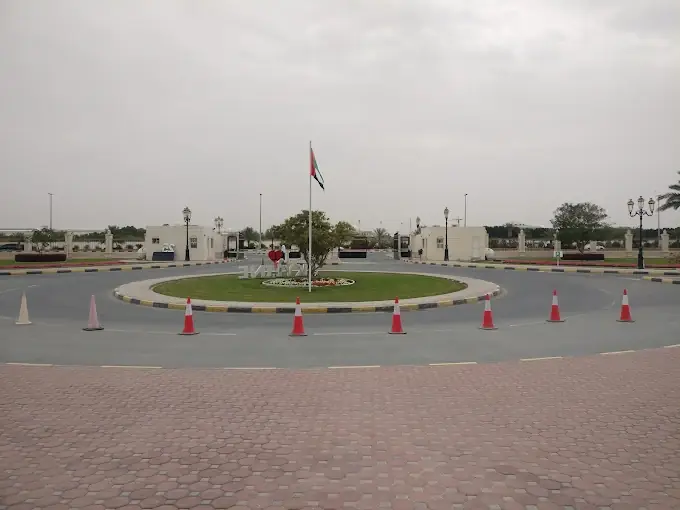
Hamdan Bin Mohammed Smart University (HBMSU) is a government-established higher education institution in the United Arab Emirates, known for its focus on smart learning, digital education, and knowledge-based innovation. The university plays a unique role in the UAE’s higher education landscape by offering flexible, technology-driven academic programs aligned with national development goals. This comprehensive guide provides a detailed overview of Hamdan Bin Mohammed Smart University, covering its background, academic offerings, accreditation status, admissions process, fees structure, student life, and career prospects. The purpose of this article is to help prospective students make informed decisions by presenting realistic and fact-based information. It also explores the university’s digital learning environment, where students may benefit from resources such as Blackboard Help UAE to better navigate online coursework, assignments, and virtual learning platforms. This guide is intended for UAE nationals and residents, international students seeking flexible learning options, parents evaluating alternative education models, and education consultants advising students on online and blended learning universities in the UAE. Overview of the University Background and Establishment Hamdan Bin Mohammed Smart University was established in 2002 under the vision of His Highness Sheikh Hamdan bin Mohammed bin Rashid Al Maktoum. It was created to support the UAE’s transition toward a knowledge-based economy by promoting smart education, lifelong learning, and innovation. HBMSU was among the first institutions in the region to adopt online and blended learning models at a national level. Over the years, it has evolved into a recognized provider of digital education, focusing on accessibility, flexibility, and applied learning. Vision, Mission, and Academic Philosophy The university’s vision centers on becoming a leading smart university that supports sustainable development through innovative education and research. Its mission emphasizes empowering learners through technology-enabled education, research, and capacity building. In this learning environment, students often make use of academic support resources such as homework help services to better manage assignments, strengthen subject understanding, and maintain consistent academic progress. HBMSU’s academic philosophy is based on: Smart and flexible learning models Learner-centered education Integration of technology and innovation Practical application of knowledge Lifelong learning and professional development Programs are designed to accommodate working professionals and students seeking flexible study pathways. Reputation Within the UAE and Internationally Within the UAE, HBMSU is recognized as a pioneer in smart learning and digital education. It is particularly well-regarded among government entities, working professionals, and adult learners seeking career advancement through flexible academic programs. Internationally, the university is known for its role in e-learning and smart education initiatives, though its reputation is more specialized compared to traditional research-intensive universities. Campus Overview Campus Location Hamdan Bin Mohammed Smart University is located in Academic City, Dubai, a hub for higher education institutions. The physical campus supports administrative functions, faculty offices, research activities, and student services. While the campus exists, most academic delivery is conducted through online and blended learning platforms rather than traditional classroom-based instruction. Why the Campus Was Established The campus was established to serve as a central academic and administrative base for the university while supporting its smart learning model. It provides infrastructure for faculty collaboration, research activities, and limited on-site academic events. The physical presence complements the university’s digital platforms rather than replacing them. Campus Environment and Learning Atmosphere The learning atmosphere at HBMSU is flexible, technology-driven, and independent. Students are expected to manage their studies through online learning systems, virtual classrooms, and digital resources. The environment suits self-motivated learners who are comfortable with online interaction, independent study, and structured virtual engagement. Accreditation & Recognition Regulatory Bodies Hamdan Bin Mohammed Smart University is licensed and accredited by the UAE Ministry of Education (MOE). Its academic programs meet national higher education standards and quality assurance requirements. The university also aligns its digital learning practices with recognized international e-learning frameworks. Local and International Degree Recognition Degrees awarded by HBMSU are recognized within the UAE for employment and further education. Graduates are eligible to pursue opportunities in both government and private sector organizations, subject to employer requirements. International recognition depends on the policies of foreign institutions and employers. Students planning to work or study abroad should verify recognition requirements in their destination country. Suitability for Government and Private Sector Employment HBMSU qualifications are particularly suitable for: Government sector roles Public administration and leadership positions Corporate and private sector roles requiring flexible education backgrounds Professional advancement for working individuals The university’s focus on applied knowledge supports career development across multiple sectors. Colleges & Academic Programs Offered School of Business and Quality Management This school focuses on management, leadership, and organizational excellence. Undergraduate Programs Bachelor-level programs in business-related disciplines (availability may vary) Postgraduate Programs Master of Business Administration (MBA) Master’s programs in quality management and leadership Programs emphasize strategic thinking, quality frameworks, and organizational performance. School of Health and Environmental Studies This school addresses public health, environmental sustainability, and safety management. Undergraduate Programs Selected bachelor programs related to health and safety (subject to availability) Postgraduate Programs Master of Public Health Master’s programs in environmental and safety management The curriculum focuses on policy, health systems, and applied research. School of Education The School of Education supports educators and academic professionals. Undergraduate Programs Limited undergraduate offerings, depending on academic year Postgraduate Programs Master’s programs in education and instructional design Programs are designed for teachers, trainers, and education professionals seeking advancement. School of Smart Learning and Innovation This school supports the university’s digital education mission. Postgraduate Programs Master’s programs related to e-learning, innovation, and knowledge management Programs explore technology-driven learning models and digital transformation. Admission Requirements Undergraduate Admission Requirements Applicants to undergraduate programs typically must have: A recognized secondary school certificate or equivalent Minimum academic grades as specified by the university Basic computer literacy and digital readiness Additional assessments or interviews may be required. Postgraduate Admission Requirements Postgraduate applicants generally need: A recognized bachelor’s degree in a relevant field Minimum GPA requirements set by the university Professional or work experience for certain programs Specific requirements vary by program. English Language Requirements As programs are delivered in English, applicants may need to demonstrate … Read more

Dubai Medical College for Girls Complete Guide

dubai medical college for girls

Dubai Medical College for Girls (DMCG) is one of the UAE’s most established and specialized institutions dedicated exclusively to medical education for women. Known for its strong academic foundation and long-standing contribution to the healthcare sector, the college has played a key role in training female physicians who serve in the UAE and beyond. This complete guide to Dubai Medical College for Girls is designed to provide students and parents with a clear, realistic, and detailed understanding of the institution. It covers academic programs, admissions, accreditation, campus life, fees structure, and career outcomes to support informed decision-making. For students pursuing medical and life sciences education, biology writing help can also be valuable in developing strong research, laboratory reports, and academically structured assignments throughout their studies. The article is intended for local and international students interested in studying medicine, parents seeking reliable information, and education consultants advising students on medical education pathways in the UAE. Overview of the University Background and Establishment Dubai Medical College for Girls was established in 1985, making it the first private medical college in the United Arab Emirates. The institution was founded with the objective of providing high-quality medical education to women while supporting the UAE’s growing healthcare needs. As students progress through demanding medical and life sciences programs, resources such as biology writing help and science assignment writing help can support them in developing well-structured laboratory reports, research projects, and academically rigorous coursework. Since its establishment, the college has maintained a focused mission centered on undergraduate medical education, clinical training, and ethical medical practice. Vision, Mission, and Academic Philosophy The vision of Dubai Medical College for Girls is to be a leading medical institution that produces competent, compassionate, and ethically grounded female physicians. Its mission emphasizes excellence in medical education, community service, and continuous professional development. The academic philosophy of the college is based on: Integrated medical education Early clinical exposure Evidence-based learning Strong ethical and professional values Teaching and assessment methods are aligned with internationally recognized medical education standards. Reputation Within the UAE and Internationally Within the UAE, Dubai Medical College for Girls is well-recognized as a reputable medical institution with a long history of producing qualified doctors. Graduates are employed across government and private healthcare sectors. Internationally, the college is known among medical education circles for its focused approach and compliance with global medical training benchmarks, although international practice requires meeting country-specific licensing requirements. Campus Overview Campus Location Dubai Medical College for Girls is located in Muhaisnah, Dubai, a well-connected area close to major healthcare facilities and residential communities. The campus is accessible via main roads and public transport routes. Its location supports clinical training through proximity to affiliated hospitals and medical centers. Why the Campus Was Established The campus was established to create a dedicated, secure, and supportive environment for women pursuing medical education. The infrastructure was designed to support both academic learning and clinical preparation within a focused educational setting. The campus reflects the institution’s commitment to professionalism, discipline, and academic excellence. Campus Environment and Learning Atmosphere The learning atmosphere at Dubai Medical College for Girls is structured, academically rigorous, and supportive. Students experience a professional environment that emphasizes responsibility, collaboration, and ethical conduct. Class sizes are designed to support interaction between students and faculty, fostering mentorship and guided learning. Accreditation & Recognition Regulatory Bodies Dubai Medical College for Girls is licensed and accredited by the UAE Ministry of Education (MOE). Its medical program meets national academic quality standards and healthcare education requirements. The college also aligns its curriculum with recognized international medical education frameworks. Local and International Degree Recognition Degrees awarded by Dubai Medical College for Girls are recognized within the UAE for medical licensing and employment, subject to regulatory examinations and approvals. International recognition varies by country. Graduates seeking to practice abroad must comply with the medical council or licensing authority requirements of the destination country. Suitability for Employment Graduates of the college are eligible for: Medical internships and residencies Government and private healthcare employment Further medical specialization and postgraduate training The program prepares students for clinical practice and continued professional development. Colleges & Academic Programs Offered College of Medicine Dubai Medical College for Girls primarily operates as a medical college with a strong focus on undergraduate medical education. Undergraduate Programs Bachelor of Medicine, Bachelor of Surgery (MBBS) The MBBS program is structured to include basic medical sciences, clinical sciences, and supervised clinical training. Postgraduate Programs Dubai Medical College for Girls has limited postgraduate offerings. Most graduates pursue postgraduate training, residency programs, or specialization through hospitals or external medical institutions. The undergraduate program serves as the foundation for advanced medical careers. Admission Requirements Undergraduate Admission Requirements Applicants to the MBBS program typically need: A recognized secondary school certificate or equivalent Strong academic background in biology, chemistry, and physics Meeting minimum grade requirements set by the college Applicants may also be required to pass: Entrance assessments Interviews Medical fitness evaluations Postgraduate Admission Requirements As postgraduate programs are limited, admission requirements depend on the specific program or affiliated training pathway. Generally, applicants must hold: A recognized medical degree Relevant academic and clinical credentials English Language Requirements Since instruction is in English, applicants may be required to demonstrate proficiency through: IELTS, TOEFL, or equivalent tests Minimum score requirements are determined by the college and regulatory authorities. Transfer Students Transfer applications are considered on a case-by-case basis and depend on: Accreditation of the previous institution Curriculum compatibility Academic performance Transfers into clinical years are generally limited. Tuition Fees & Scholarships Fee Structure Overview Tuition fees at Dubai Medical College for Girls reflect the intensive nature of medical education and clinical training. Fees vary depending on: Year of study Academic resources and facilities used Medical programs typically involve higher tuition due to laboratory work, clinical exposure, and instructional resources. Additional Academic or Administrative Fees Students should also budget for: Application and registration fees Laboratory and clinical training fees Medical equipment and uniforms Examination and licensing-related costs Living expenses are separate from tuition fees. … Read more

How Much Is Tuition Fee at Zayed University UAE

zayed university

Zayed University is one of the most prominent public universities in the United Arab Emirates, known for its strong academic standards, national relevance, and focus on preparing students for leadership roles in the UAE and beyond. As a government supported institution, it plays a key role in developing the country’s human capital across diverse academic disciplines. This guide is designed to provide a complete and realistic overview of tuition fees at Zayed University, while also covering academic programs, admissions, accreditation, campus life, and career opportunities. Since tuition costs are a major deciding factor for students and families, this article explains the fee structure clearly without listing exact figures, in line with official policies and realistic expectations, including access to class assistance writing for academic support. The article is intended for UAE nationals, international students, parents, and education consultants who are evaluating Zayed University as a study option in the UAE. Overview of the University Background and Establishment Zayed University was established in 1998 by the Government of the United Arab Emirates and is named after the country’s founding father, Sheikh Zayed bin Sultan Al Nahyan. The university was created to provide world-class education aligned with national development goals and to empower future leaders. Since its establishment, Zayed University has expanded academically and geographically, becoming a respected public institution serving both Emirati and international students. Vision, Mission, and Academic Philosophy The university’s vision focuses on leadership, innovation, and global engagement while maintaining strong national identity and values. Its mission emphasizes academic excellence, research impact, and community contribution. The academic philosophy is based on: Outcome-based education Critical thinking and innovation Ethical leadership and civic responsibility Alignment with UAE national priorities Reputation Within the UAE and Internationally Within the UAE, Zayed University holds a strong reputation as a federal institution supported by the government. Internationally, it is recognized for its structured academic model, English-taught programs, and partnerships with global institutions. Graduates are well regarded in both public and private sector organizations across the UAE. Campus Overview Campus Locations Zayed University operates major campuses in Abu Dhabi and Dubai, both designed with modern infrastructure and advanced learning facilities. Each campus offers a comprehensive academic environment with access to student services and extracurricular activities. Why the Campus Was Established The campuses were established to provide high-quality education accessible to students across the UAE. The locations were strategically chosen to support national workforce development and to connect students with government, industry, and community institutions. Campus Environment and Learning Atmosphere The campus environment is structured, professional, and multicultural. Teaching is delivered primarily in English, and the learning atmosphere emphasizes collaboration, discipline, and academic integrity. Students benefit from technology-enabled classrooms and a balance between academic rigor and personal development. Accreditation & Recognition Regulatory Bodies Zayed University is fully accredited by the UAE Ministry of Education (MOE). As a federal university, it follows national higher education standards and quality assurance frameworks. Local and International Degree Recognition Degrees awarded by Zayed University are fully recognized across the UAE. International recognition is generally strong, particularly in regions familiar with UAE federal institutions, though recognition abroad depends on country specific regulations. Suitability for Employment Graduates are highly suitable for: UAE government and semi-government entities Private sector organizations Multinational companies Further postgraduate studies The university’s accreditation supports employment eligibility across regulated and non-regulated sectors. Colleges & Academic Programs Offered College of Arts and Creative Enterprises This college focuses on creative, cultural, and communication-based disciplines. Undergraduate programs include: Graphic Design Interior Design Media and Communication Programs emphasize creativity, digital skills, and applied learning. College of Business The College of Business prepares students for leadership and management roles. Major undergraduate programs include: Accounting Finance Marketing Management Entrepreneurship Postgraduate programs include MBA and specialized business degrees. College of Communication and Media Sciences This college focuses on modern communication practices. Programs include: Mass Communication Public Relations Digital Media Students develop strong analytical, writing, and media skills. College of Education The College of Education prepares future educators and academic leaders. Programs include: Education Studies Special Education The curriculum aligns with UAE education standards. College of Natural and Health Sciences This college focuses on science and health-related disciplines. Programs include: Psychology Nutrition and Health Environmental Sciences Programs emphasize research and practical application. College of Technological Innovation This college delivers technology-focused education. Programs include: Information Technology Cybersecurity Data Analytics The curriculum is aligned with industry and national digital transformation goals. Admission Requirements Undergraduate Admission Requirements Undergraduate applicants must have: A recognized secondary school certificate Required academic performance based on program Compliance with MOE admission standards Some programs may have additional requirements. Postgraduate Admission Requirements Postgraduate applicants must hold: A recognized bachelor’s degree A minimum GPA as specified by the program Relevant academic or professional background English Language Requirements As programs are taught in English, applicants may need: IELTS, TOEFL, or equivalent Exemptions may apply for certain educational backgrounds Transfer Students Transfer applications are reviewed individually. Credit transfer depends on course equivalency, grades, and institutional accreditation. Tuition Fees & Scholarships Tuition Fee Structure Overview Tuition fees at Zayed University vary based on: Student nationality (UAE national or international) Level of study (undergraduate or postgraduate) College and program of enrollment For UAE national students, tuition is typically government-funded or heavily subsidized under federal education policies. For international students, tuition fees are charged per credit hour or per academic year, depending on the program. While not the lowest in the UAE, fees are generally positioned competitively for a public university offering strong academic quality. Additional Academic or Administrative Fees In addition to tuition, students should budget for: Application and registration fees Student services and activity fees Laboratory or studio fees (program-dependent) Textbooks and learning materials Living expenses, accommodation, transportation, and personal costs are separate from tuition. Scholarships, Grants, and Discounts Zayed University may offer: Merit-based scholarships Academic excellence awards Limited financial aid for eligible students Availability and eligibility depend on academic performance and program policies. Campus Facilities & Student Life Academic Facilities Facilities include: Smart classrooms and lecture halls Specialized labs and … Read more

Evaluating Financial Literacy Levels Among UAE Youth

Capstone Project Assignment 34 Instructions Topic: Evaluating Financial Literacy Levels Among UAE Youth Word Count: 2,000 to 2,500 words General Assessment Guidance Your capstone project on Evaluating Financial Literacy Levels constitutes 100% of your module assessment and must be submitted exclusively via Turnitin. Submissions via email, USB drives, or hard copies will not be accepted or graded. Late submissions are ineligible for marking. Include only your Student Reference Number (SRN); personal details must be excluded. Adhere strictly to the Harvard referencing system. Any unreferenced material will be treated as plagiarism. AI tools may only assist with draft review, grammar correction, and formatting support. Analytical interpretation, argumentation, and conclusions must reflect your original thought. Submission must include a completed Assignment Cover Sheet. Omitting this may invalidate your assessment. Contextual Overview The UAE has experienced a rapid transformation in its economic environment, influenced by technological innovation, global financial trends, and increasing youth participation in personal and entrepreneurial financial activities. Financial literacy, the knowledge, skills, and confidence to manage financial resources effectively, is critical for young adults navigating complex markets, digital payment systems, investment opportunities, and emerging financial technologies. This capstone challenges students to explore the current levels of financial literacy among UAE youth, identify gaps in knowledge and application, and propose actionable interventions to enhance financial competency. The focus should extend beyond theoretical awareness, integrating empirical data, behavioural patterns, and policy implications within the UAE context. Learning Outcomes Upon completion of this project, students should be able to: Assess financial literacy competencies among UAE youth, including budgeting, investment awareness, and risk management. Evaluate the influence of education, socio-economic background, and digital access on financial behaviour and decision-making. Critically analyse secondary research, surveys, and policy reports to identify patterns, trends, and knowledge gaps. Develop evidence-based recommendations aimed at enhancing financial literacy, considering cultural, technological, and regulatory factors. Demonstrate the ability to integrate financial theory, behavioural economics, and UAE-specific societal contexts into a coherent, analytically rigorous report. Report Components Executive Overview Summarise the full report in approximately 400–500 words. Include key findings, observed trends, and strategic recommendations. For high distinction, provide a clear rationale for focusing on youth financial literacy, highlighting expected outcomes and societal impact. Understanding UAE Youth Financial Practices Financial Awareness and Behaviour Patterns Examine how young adults in the UAE interact with banking products, digital wallets, stock market platforms, and credit instruments. Identify behavioural trends, such as spending patterns, savings habits, and risk tolerance, with supporting examples or survey data. Educational and Socioeconomic Influences Assess the impact of formal education, family financial background, and digital literacy on youth financial competence. Highlight differences across Emirates, gender, and age groups where data is available. Current Challenges in Financial Literacy Knowledge Gaps and Misconceptions Discuss areas where youth commonly lack understanding or misinterpret financial concepts, such as credit management, investment risk, or tax obligations. Include real-world examples or case studies from UAE financial education initiatives. Socio-Cultural and Technological Barriers Evaluate how cultural norms, peer influence, and access to technology affect financial decision-making. Consider limitations of current educational curricula, parental guidance, and awareness campaigns. Evaluation and Analysis of Existing Research Secondary Data Integration Analyse surveys, government reports, financial literacy assessments, and academic studies relevant to UAE youth. Highlight methodological approaches, sample characteristics, and reliability of findings. Benchmarking Against Global Standards Compare UAE youth financial literacy levels with international benchmarks such as OECD surveys or global financial indices. Identify strengths and areas for improvement in local youth financial competency. Identifying Patterns and Trends Discuss observable patterns in spending, saving, borrowing, and investment behaviour. Use data to demonstrate correlations between knowledge, behaviour, and outcomes. Strategic Recommendations Develop practical and culturally relevant recommendations for enhancing financial literacy among UAE youth: Integrate comprehensive financial education modules in university and high school curricula. Launch digital platforms and gamified learning tools to increase engagement with financial concepts. Promote mentorship programs with financial professionals for experiential learning. Encourage policy measures supporting youth access to financial services, including micro-investment platforms and budgeting apps. Establish community campaigns targeting financial awareness across different Emirates. Recommendations should be evidence-based, actionable, and contextually appropriate. Implications for Policy and Practice Highlight potential impacts on employment readiness, entrepreneurial success, and financial independence among UAE youth. Discuss policy implications for universities, governmental agencies, and financial institutions aiming to strengthen national financial literacy. Explore long-term societal benefits, including reduced debt dependence, increased investment participation, and improved economic resilience. Report Structure Your report should include the following elements for clarity and coherence: Declaration Page Title Page Table of Contents List of Figures/Tables (if applicable) Executive Overview Youth Financial Practices and Behaviour Patterns Challenges in Financial Literacy Evaluation and Analysis Using Secondary Data Strategic Recommendations Policy and Practical Implications References (Harvard style) Appendices (optional) Word Count Allocation (Suggested) Executive Overview: 400–500 words Youth Financial Practices: 400–500 words Challenges in Financial Literacy: 400–500 words Evaluation and Analysis: 600–700 words Strategic Recommendations: 400–500 words Policy and Practical Implications: 200–300 words This ensures the report remains within the 2,000 to 2,500 word limit while thoroughly addressing all critical components. Presentation Guidelines Use headings consistently to structure the report. Include tables, figures, and charts to illustrate youth financial behaviours, survey results, or comparative data. Maintain formal academic tone with smooth, coherent transitions. Draw from diverse and credible sources, including UAE government publications, financial institutions, peer-reviewed journals, and international benchmarking reports. Apply Harvard referencing consistently throughout the report. Notes for Excellence Ground your analysis in UAE-specific context, considering local banking systems, digital finance adoption, and national youth initiatives. Avoid generic claims; emphasise data-driven insights, specific case studies, and actionable recommendations. Demonstrate understanding of behavioural finance, financial education, and socio-economic influences on youth financial literacy. Highlight innovative strategies and policy foresight to enhance long-term financial competency and economic participation among young adults. This capstone assignment challenges students to critically evaluate financial literacy levels among UAE youth, using empirical evidence, behavioural analysis, and UAE-specific policy context, while producing strategically actionable insights for education, government, and corporate stakeholders.

University of Birmingham Dubai Fees Complete Guide

university of birmingham dubai

University of Birmingham Dubai is the Middle East campus of the University of Birmingham, a leading UK public research university and a member of the Russell Group. Since its establishment in Dubai, the university has attracted students seeking a globally recognised British degree while studying in the United Arab Emirates’s dynamic education environment, along with access to assignment writing help for academic support. This guide focuses specifically on University of Birmingham Dubai fees, while also providing a complete overview of the institution, its academic offerings, student experience, and career outcomes. Understanding tuition fees, scholarships, and related costs is a key part of planning higher education, and this article aims to present that information clearly and realistically. The article is intended for local UAE students, international students, parents, and education consultants who want a clear, structured understanding of the overall cost of studying at the University of Birmingham Dubai and the value it offers. Overview of the University Background and Establishment The University of Birmingham was founded in 1900 in the United Kingdom and has since developed into one of the world’s most respected research-led universities. It was among the first UK universities to receive a Royal Charter and is widely recognised for academic excellence across disciplines. The Dubai campus was launched in 2018, making it the first Russell Group university to establish a campus in the UAE. The goal was to provide students in the Middle East and beyond with access to the same high-quality education offered in the UK, without the need to relocate. Vision, Mission, and Academic Philosophy The university’s mission is to advance learning and knowledge for the benefit of society. In Dubai, this mission is reflected through research-informed teaching, critical thinking, and a strong emphasis on ethical and professional development. The academic philosophy focuses on developing independent learners who are prepared for complex global challenges. Programs are designed to balance theoretical foundations with practical application. Reputation Within the UAE and Internationally Globally, the University of Birmingham consistently ranks among leading universities and enjoys strong recognition from employers, academic institutions, and professional bodies. In the UAE, the Dubai campus benefits from this reputation while also being known for maintaining UK academic standards, assessments, and degree awards. Degrees awarded in Dubai are identical to those awarded in the UK, which plays an important role in the perceived value of tuition fees for students and families. Campus Overview Campus Location The University of Birmingham Dubai campus is located in Dubai International Academic City, a purpose-built education hub that hosts a range of international institutions. The location offers a focused academic environment with relatively easy access to key parts of Dubai. Why the Campus Was Established Dubai was chosen due to its strategic global location, growing demand for international education, and its vision of becoming a regional knowledge economy. The campus supports students who want a British education while building careers in the UAE or nearby regions. Campus Environment and Learning Atmosphere The campus is modern and purpose-built, featuring smaller class sizes compared to many large universities. This supports close interaction between students and faculty, personalised academic support, and a collaborative learning culture. Accreditation & Recognition Regulatory Bodies The University of Birmingham Dubai is licensed by the UAE Ministry of Education and operates in compliance with local higher education regulations. This ensures that the institution meets national quality and governance standards. Degree Recognition All degrees are awarded by the University of Birmingham in the UK. This means qualifications are internationally recognised and accepted for employment and further study in many countries. Employment Suitability Graduates are generally eligible for roles in both the public and private sectors, subject to specific employer and regulatory requirements. The university’s reputation adds value in competitive job markets. Colleges & Academic Programs Offered College of Arts and Law This college focuses on developing analytical, communication, and leadership skills. Major undergraduate programs may include: Business Management International Business Economics Law Postgraduate programs may include: International Business Management-related degrees These programs are popular among students aiming for careers in corporate, consulting, legal, and entrepreneurial fields. College of Social Sciences Programs in this college address economic systems, governance, and social challenges. Offerings may include: Economics Political Economy Public Policy-related programs Graduates often pursue careers in policy analysis, research, consulting, and international organisations. College of Engineering and Physical Sciences This college reflects the university’s strong engineering and technology background. Programs may include: Computer Science Data Science Engineering-related postgraduate programs These degrees align well with high-demand sectors such as technology, infrastructure, and innovation-driven industries. Admission Requirements Undergraduate Admission Requirements Applicants are typically required to have completed recognised secondary school qualifications equivalent to UK A-levels. Subject-specific requirements apply depending on the chosen program. Postgraduate Admission Requirements Postgraduate applicants usually need a recognised bachelor’s degree with a minimum GPA. Some programs may prefer applicants with relevant academic or professional backgrounds. English Language Requirements Applicants whose prior education was not taught in English are required to demonstrate English proficiency through tests such as IELTS or TOEFL. Required scores vary by program level. Transfer Students Transfer applications are assessed individually. Credit transfer depends on curriculum compatibility, academic performance, and institutional policies. Tuition Fees & Scholarships Fee Structure Overview University of Birmingham Dubai fees reflect its position as a UK Russell Group institution. Tuition fees vary depending on: Level of study (undergraduate or postgraduate) Program and subject area Year of entry Undergraduate programs generally follow an annual fee structure, while postgraduate programs may be charged per year or per program duration. Additional Academic and Administrative Fees In addition to tuition fees, students should budget for: Registration or enrolment fees Student services or activity fees Learning materials and textbooks Examination or graduation-related charges Living costs such as accommodation, transportation, food, and personal expenses are not included in tuition fees and vary depending on lifestyle. Scholarships, Grants, and Discounts The university offers several financial support options, including: Merit-based scholarships for high-achieving students Early application or conditional offer discounts Alumni or progression-based incentives Limited need-based support in certain … Read more

Saint Joseph University Dubai Complete Guide for Students

saint joseph university dubai

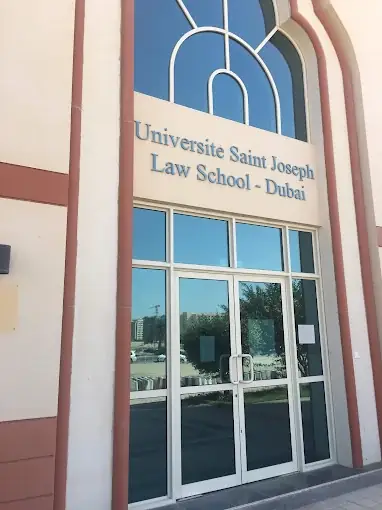
Saint Joseph University Dubai is an international extension of Saint Joseph University, a well established institution with a long academic tradition. Its Dubai campus focuses on delivering specialized postgraduate, executive, and professional programs for students and working professionals seeking globally oriented education in the United Arab Emirates, along with access to assignment writing services for academic support. The purpose of this guide is to provide a clear, factual, and student-focused overview of Saint Joseph University Dubai. It explains academic offerings, accreditation context, admission requirements, campus environment, and career relevance without promotional language or exaggerated claims. It also highlights how students often manage academic workloads more effectively by using homework help resources to better understand coursework, meet deadlines, and maintain consistent academic performance. This article is intended for local UAE students, international students exploring study options in Dubai, working professionals considering postgraduate education, parents evaluating international degrees, and education consultants advising students on private and international universities in the UAE. Overview of the University Background and Establishment Saint Joseph University was originally established in Beirut in the late 19th century and has developed a strong reputation in fields such as humanities, law, management, social sciences, and health-related disciplines. Building on its international outlook, the university expanded its academic reach through partnerships and international locations, including Dubai. Saint Joseph University Dubai was established to serve the Middle East region by offering selected academic and executive programs aligned with regional professional needs, particularly for postgraduate learners. Vision, Mission, and Academic Philosophy The university’s academic philosophy emphasizes critical thinking, ethical leadership, interdisciplinary learning, and international collaboration. Its mission focuses on delivering education that blends academic depth with practical relevance, particularly in professional and managerial fields. Key academic principles include: International academic standards Multilingual and multicultural learning environments Research-informed teaching Strong ethical and social responsibility focus Reputation Within the UAE and Internationally Internationally, Saint Joseph University is recognized for its academic heritage and contributions to research and professional education. In the UAE, the Dubai presence is known for serving niche academic and executive education needs rather than offering a broad undergraduate campus model. Campus Overview Campus Location Saint Joseph University Dubai operates from an academic and professional education location within Dubai, designed to accommodate postgraduate students, executive learners, and professionals attending modular or part-time programs. Why the Campus Was Established The Dubai campus was established to: Support professionals seeking internationally recognized qualifications Provide access to Saint Joseph University programs without relocating abroad Serve the growing demand for postgraduate and executive education in the Gulf region Campus Environment and Learning Atmosphere The learning environment is professional, focused, and discussion-driven. Classes typically involve small groups, encouraging interaction, case analysis, and applied learning. The campus atmosphere is suited to mature students and working professionals rather than a traditional undergraduate lifestyle. Accreditation & Recognition Regulatory Bodies Saint Joseph University Dubai operates under the regulatory oversight of the Knowledge and Human Development Authority (KHDA) in Dubai. Programs are delivered in line with KHDA licensing requirements applicable to international and professional education institutions. Local and International Degree Recognition Degrees are typically awarded by Saint Joseph University’s home institution, subject to its academic regulations. Recognition depends on: Country-specific education authorities Employer policies Credential evaluation processes Students planning government sector employment or further study should verify recognition requirements with relevant authorities. Suitability for Employment Programs offered are particularly suitable for: Private sector careers Professional and managerial roles International organizations Recognition for public sector employment may vary depending on country-specific regulations. Colleges & Academic Programs Offered College of Management and Business Studies This academic area focuses on leadership, strategy, and organizational development. Major programs may include: Master’s in Business Administration Master’s in Management Executive leadership programs These programs emphasize decision-making, ethics, and global business perspectives. College of Social Sciences and Humanities Programs in this area address social, cultural, and organizational dynamics relevant to modern workplaces. Offerings may include: Psychology-related postgraduate programs Social sciences and communication studies Applied research-focused degrees The curriculum blends theory with practical applications in regional and international contexts. Executive and Professional Education Saint Joseph University Dubai places strong emphasis on executive education. Programs include: Executive certificates Professional diplomas Short-term leadership and management programs These are designed for working professionals seeking career advancement. Admission Requirements Undergraduate Admission Requirements Saint Joseph University Dubai primarily focuses on postgraduate and professional education. Undergraduate offerings, if available, typically require: Completion of secondary education or equivalent Academic transcripts Program-specific eligibility criteria Postgraduate Admission Requirements Postgraduate applicants usually need: A recognized bachelor’s degree Minimum GPA as specified by the program Relevant work experience for executive programs English Language Requirements Since instruction is commonly delivered in English or bilingual formats, applicants may be required to demonstrate proficiency through: IELTS TOEFL Equivalent qualifications Some programs may offer language flexibility depending on academic background. Transfer Students Credit transfer is assessed on a case-by-case basis. Decisions depend on academic equivalency, curriculum alignment, and institutional policies. Tuition Fees & Scholarships Fee Structure Overview Tuition fees vary depending on: Program type Study duration Mode of delivery (full-time, part-time, executive) Fees are typically structured per program rather than per credit hour. Additional Fees Students may need to account for: Registration and administrative fees Learning materials Graduation or certification fees Scholarships and Discounts Limited financial support options may be available, including: Merit-based tuition reductions Corporate-sponsored study options Employer-supported enrollment for executive programs Campus Facilities & Student Life Academic Facilities Facilities are designed to support professional education and include: Seminar-style classrooms Digital learning resources Access to academic databases and libraries Laboratory-based facilities are limited due to the program focus. Student Services and Academic Support Support services include: Academic advising Program coordination support Administrative assistance for working professionals Services are streamlined for efficiency and flexibility. Clubs, Events, and Engagement Student engagement activities focus on: Academic seminars Professional workshops Guest lectures and conferences Networking plays a key role in campus life. Faculty & Teaching Approach Faculty Qualifications and Experience Faculty members typically hold advanced academic qualifications and have professional or research experience in their respective fields. Many faculty … Read more

S P Jain School of Global Management Careers Complete Guide

s p jain school of global management

S P Jain School of Global Management is a private business school with campuses in multiple global locations, including Dubai, Sydney, Mumbai, and Singapore. The Dubai campus plays a central role in the institution’s global learning model, particularly for undergraduate and postgraduate business programs with an international focus. The purpose of this guide is to provide students with a complete and practical overview of S P Jain School of Global Management, with a strong focus on career outcomes, academic structure, accreditation, and student experience. Rather than promotional claims, this article presents fact-based insights to help students make informed decisions. This guide is intended for local UAE students, international students considering a global business education, parents evaluating return on investment, and education consultants advising on management and business studies, including assignment writing help for academic support. Overview of the University Background and Establishment S P Jain School of Global Management was established in 2004 and has since developed a reputation for offering business education through a multi-campus, multi-country learning model. Unlike traditional universities, S P Jain emphasizes mobility, industry exposure, and applied learning across international markets. The Dubai campus was one of the earliest international campuses and serves as a hub for undergraduate and postgraduate business education in the Middle East. Vision, Mission, and Academic Philosophy The institution’s vision centers on developing globally competent business leaders who can operate across cultures and markets. Its mission focuses on combining academic rigor with practical business skills and international exposure. Key elements of its academic philosophy include: Global learning through multi-campus study Strong emphasis on employability and careers Industry-relevant curriculum Experiential and applied learning Reputation Within the UAE and Internationally Within the UAE, S P Jain is known for its international business programs and career-oriented approach. Internationally, it has gained recognition for innovative program structures, particularly its multi-country undergraduate and postgraduate models. Campus Overview Campus Location The S P Jain Dubai campus is located in Dubai International Academic City (DIAC), a dedicated education zone that hosts several international universities and business schools. Why the Campus Was Established The Dubai campus was established to support S P Jain’s global education model and to serve students from the Middle East, Africa, South Asia, and Europe. Dubai’s position as a global business hub makes it a strategic location for management education. Campus Environment and Learning Atmosphere The campus environment is professional and business-focused. Students typically engage in case studies, group projects, presentations, and industry-led sessions. The learning atmosphere reflects a corporate-style academic setting rather than a traditional liberal arts campus. Accreditation & Recognition Regulatory Bodies In Dubai, S P Jain School of Global Management operates under the regulatory framework of the Knowledge and Human Development Authority (KHDA). As a private international institution, it follows its home-country and international accreditation structures. Local and International Degree Recognition Degrees awarded are recognized by employers globally, particularly in the private sector. Recognition for government employment or further academic study may depend on country-specific regulations and credential evaluation policies. Suitability for Employment S P Jain qualifications are particularly suitable for: Private sector employment Multinational companies Consulting, finance, technology, and management roles Students planning public sector careers should verify recognition requirements in their target country. Colleges & Academic Programs Offered Undergraduate Programs S P Jain offers undergraduate business-focused degrees designed around global mobility. Major undergraduate programs include: Bachelor of Business Administration (BBA) Bachelor of Economics Bachelor of Data Science Bachelor of Business Communication Undergraduate programs typically involve studying across multiple campuses, including Dubai and partner locations. Postgraduate Programs Postgraduate education is a core strength of the institution. Major postgraduate programs include: Global MBA Master of Global Business Executive MBA programs Specialized management and leadership programs These programs emphasize leadership, strategy, and global business exposure. Executive and Professional Education The institution also offers executive education programs for working professionals, focusing on leadership, strategy, and management development. Admission Requirements Undergraduate Admission Requirements Applicants for undergraduate programs typically need: Completion of secondary education or equivalent Strong academic performance Personal statement and interview (in some cases) Postgraduate Admission Requirements Postgraduate applicants generally require: A recognized bachelor’s degree Minimum GPA as specified by the program Work experience for MBA and executive programs English Language Requirements As instruction is in English, applicants may need to demonstrate proficiency through: IELTS TOEFL Equivalent English-language qualifications Some applicants may qualify for waivers based on prior education. Transfer Students Transfer applications are assessed individually. Credit transfer depends on course equivalency, academic performance, and curriculum alignment. Tuition Fees & Scholarships Fee Structure Overview Tuition fees vary by program, duration, and study model. Programs with multi-campus components may have different cost structures depending on location and length of study. Additional Fees Students should budget for: Registration and administrative fees Learning resources and materials Travel and accommodation for international study components Scholarships and Discounts S P Jain offers: Merit-based scholarships Need-based financial assistance (limited) Corporate or employer-sponsored study options Scholarship availability depends on academic performance and intake cycles. Campus Facilities & Student Life Academic Facilities The Dubai campus provides: Modern classrooms and seminar rooms Technology-enabled learning spaces Access to digital academic resources Facilities are designed to support business-focused education rather than laboratory-based learning. Student Services and Academic Support Support services include: Academic advising Career development support Student administration services These services are closely integrated with career planning and employability. Clubs, Events, and Engagement Student engagement focuses on: Business and leadership clubs Industry guest lectures Networking events and competitions Activities are designed to enhance professional skills and employability. Faculty & Teaching Approach Faculty Qualifications and Experience Faculty members typically have: Strong academic backgrounds Industry and consulting experience International teaching and research exposure Many faculty members bring real-world business insights into the classroom. Teaching Methodology Teaching methods include: Case-based learning Group projects and simulations Presentations and applied assignments Assessment focuses on practical understanding rather than rote learning. Industry-Aligned Curriculum Curricula are designed with input from industry professionals to ensure relevance to current business trends and employer expectations. Career Opportunities & Industry Connections Internships and Placements Internships are … Read more

Birla Institute of Technology and Science Pilani Dubai Campus

Birla Institute of Technology and Science Pilani Dubai Campus

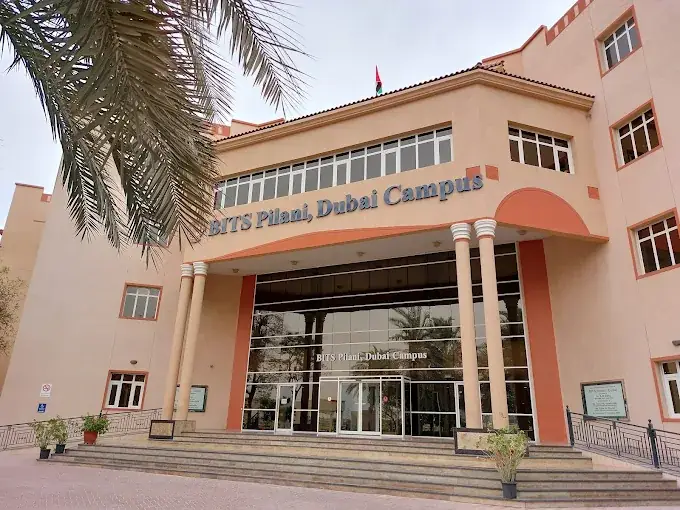
Birla Institute of Technology and Science (BITS) Pilani – Dubai Campus is one of the most well-established international branch campuses in the United Arab Emirates. Known for its strong academic foundation, rigorous curriculum, and emphasis on science, engineering, and technology, the Dubai campus extends the legacy of BITS Pilani to students in the Middle East and beyond. This guide is designed to provide a clear, detailed, and realistic overview of BITS Pilani Dubai Campus for students considering studying in Dubai. It is intended for local UAE students, international applicants, parents, and education consultants seeking accurate information about programs, admissions, accreditation, fees, campus life, and career outcomes, while also supporting academic needs like assignment writing. The article aims to support informed decision-making through fact based insights rather than promotional claims. Overview of the University BITS Pilani was established in India in 1964 and has since grown into one of the most respected private universities in the region, particularly in the fields of engineering, science, and technology. The Dubai Campus was established in 2000, making it the first international campus of BITS Pilani and one of the earliest foreign university campuses in Dubai. The university’s vision is to provide world-class education that combines academic excellence with innovation, research, and industry relevance. Its academic philosophy emphasizes merit-based admissions, continuous evaluation, and a strong focus on analytical thinking and problem-solving skills. Within the UAE, BITS Pilani Dubai Campus has built a reputation for academic rigor and consistency with the standards of its Indian parent institution. Internationally, the BITS Pilani brand is widely recognized, particularly among employers in engineering, technology, and research-driven sectors. Campus Overview BITS Pilani Dubai Campus is located in Dubai International Academic City (DIAC), a dedicated education hub that hosts several international universities. The location provides students with access to academic infrastructure, transport connectivity, and proximity to key commercial and industrial areas of Dubai. The campus was established to meet the growing demand for high-quality engineering and technology education in the Gulf region. It allows students to earn a BITS Pilani degree while studying in an international environment. The campus environment is academically focused and multicultural. Students come from various countries across Asia, the Middle East, Africa, and Europe, creating a diverse learning atmosphere. The academic culture emphasizes discipline, independent learning, and performance-based evaluation. Accreditation & Recognition BITS Pilani Dubai Campus is licensed by the UAE Ministry of Education (MOE) through the Commission for Academic Accreditation. It also operates within the regulatory framework applicable to higher education institutions in Dubai. Degrees awarded by the Dubai Campus are issued by BITS Pilani and are recognized in the UAE and internationally, subject to local credential evaluation requirements. Graduates are generally eligible for employment in both government and private sector organizations, depending on employer and professional licensing criteria. The university’s strong academic standing makes its degrees suitable for further education, research opportunities, and professional careers in engineering, technology, and science-based fields. Colleges & Academic Programs Offered Faculty of Engineering The Faculty of Engineering forms the core of academic offerings at BITS Pilani Dubai Campus. Major undergraduate programs include: Computer Science Electrical and Electronics Engineering Mechanical Engineering Electronics and Communication Engineering Chemical Engineering Postgraduate programs include: Master’s programs in Engineering and Technology disciplines Specialized postgraduate programs aligned with industry needs These programs focus on strong theoretical foundations combined with laboratory work, projects, and applied learning. Faculty of Science The Faculty of Science supports interdisciplinary and foundational scientific education. Undergraduate programs include: Physics Chemistry Mathematics These programs are often integrated with engineering degrees or offered as part of dual-degree structures, allowing students to build strong analytical and research skills. Faculty of Management The Faculty of Management offers programs focused on business and management education. Programs include: Business Administration and Management-related degrees at undergraduate and postgraduate levels The curriculum integrates quantitative skills, analytical thinking, and business fundamentals relevant to technical and corporate environments. Admission Requirements Undergraduate Admission Applicants must have completed a recognized high school qualification with strong academic performance, particularly in mathematics and science subjects. Engineering programs typically require higher achievement in physics, chemistry, and mathematics. Admissions are merit-based and competitive, reflecting the academic standards of BITS Pilani. Postgraduate Admission Postgraduate applicants must hold a relevant bachelor’s degree from a recognized institution. Certain programs may require a minimum GPA and relevant academic background in engineering, science, or management. English Language Requirements Applicants are required to demonstrate English proficiency through standardized tests such as IELTS or TOEFL, unless they have completed prior education in English-medium institutions as per university policy. Transfer Students Transfer students may apply for credit transfer based on previous coursework. Credit recognition is subject to academic evaluation, syllabus matching, and university approval. Tuition Fees & Scholarships The tuition fee structure at BITS Pilani Dubai Campus varies by program and level of study. Engineering and laboratory-intensive programs may include additional academic or facility-related costs. Students should also consider additional expenses such as registration fees, laboratory charges, and examination-related costs. The university may offer merit-based scholarships, financial assistance, or fee concessions for eligible students. Scholarship availability and criteria are subject to institutional policy and academic performance. Campus Facilities & Student Life The campus is equipped with modern classrooms, advanced laboratories, computing facilities, and a well-resourced library that supports academic and research activities. Student services include academic advising, administrative support, counselling services, and career guidance. These services aim to support students throughout their academic journey. Student life includes technical clubs, academic societies, cultural events, and student-led initiatives. Activities are designed to complement academic learning and encourage leadership, teamwork, and professional development. Faculty & Teaching Approach Faculty members at BITS Pilani Dubai Campus are academically qualified and often possess research and industry experience. Many faculty members are involved in research projects and academic publications. Teaching methodology emphasizes lectures, tutorials, laboratory work, continuous assessment, and project-based learning. The curriculum is aligned with global academic standards and industry expectations. The university places strong emphasis on analytical thinking, independent learning, and problem-solving rather than rote memorization. Career Opportunities & Industry Connections … Read more

Emirates Aviation University Complete Guide for Students

Emirates Aviation University

Emirates Aviation University (EAU) is a specialised higher education institution in Dubai, United Arab Emirates, known for its strong focus on aviation, aerospace, engineering, business, and aviation management studies. Established to support the rapidly growing aviation industry in the UAE, the university offers industry-aligned programs designed to prepare students for technical, managerial, and professional roles in aviation and related sectors. This guide provides a clear and realistic overview of Emirates Aviation University for prospective students, including local UAE learners, international applicants, parents, and education consultants exploring aviation focused education in Dubai. It covers programs, admission requirements, fees, accreditation, campus life, and career outcomes in a factual, student-focused way, while also supporting academic needs such as engineering report writing. Overview of the University Emirates Aviation University was established in 1991 as the educational arm of the Emirates Group. Its primary objective was to develop skilled professionals for the aviation industry through specialised academic and technical education. Over time, the university expanded its academic offerings beyond aviation training to include undergraduate and postgraduate degree programs. The university’s vision is to be a leading aviation and aerospace education provider that supports innovation, safety, and operational excellence in global aviation. Its academic philosophy combines theoretical foundations with applied learning, ensuring students gain both knowledge and practical insight into real-world aviation operations. Within the UAE, Emirates Aviation University is widely recognised for its niche focus on aviation and aerospace education. Internationally, it is known among aviation professionals and employers for producing graduates with industry-relevant skills, particularly in aviation management, aircraft maintenance, and engineering disciplines. Campus Overview Emirates Aviation University is located in Dubai, United Arab Emirates, close to major aviation and logistics hubs. Its location provides students with proximity to aviation-related infrastructure and industry exposure. The campus was established to support hands-on aviation education and to align academic learning with operational environments. As a result, the learning atmosphere is professional, structured, and industry-oriented. The campus environment emphasises technical training, applied learning, and academic discipline. Students benefit from modern classrooms, specialised laboratories, and facilities designed to support aviation and engineering education. The university attracts students from diverse nationalities, creating a multicultural learning environment. Accreditation & Recognition Emirates Aviation University is licensed by the Ministry of Education (MOE) in the United Arab Emirates. It also operates under relevant regulatory oversight to ensure academic quality and compliance with UAE higher education standards. Degrees awarded by Emirates Aviation University are recognised within the UAE and are generally accepted for employment in both government and private sector organisations, subject to employer requirements. International recognition depends on the country and professional licensing requirements. Graduates are typically eligible for roles in aviation, aerospace, engineering, logistics, and business sectors, making the university suitable for students seeking careers in regulated and technical industries. Colleges & Academic Programs Offered College of Aviation Management This college focuses on the business and operational side of aviation. Major undergraduate programs include Aviation Management, Aviation Safety, and Aviation Logistics. Postgraduate programs include MSc in Aviation Management and related specialisations. Programs are designed to develop leadership, safety awareness, and operational understanding of the aviation industry. College of Aerospace Engineering This college delivers engineering programs with a strong technical focus. Undergraduate programs include Aerospace Engineering and Aircraft Maintenance Engineering. Postgraduate programs include specialised engineering degrees related to aerospace systems. Students gain exposure to aircraft systems, aerodynamics, and engineering principles relevant to modern aviation. College of Engineering and Technology This college supports broader engineering and technical education. Programs include Mechanical Engineering, Electrical Engineering, and related disciplines. These programs are suitable for students aiming for engineering roles within aviation and industrial sectors. College of Business and Information Technology This college focuses on business, management, and IT skills applicable to aviation and other industries. Programs include Business Administration and Information Technology. The curriculum integrates business fundamentals with industry-specific applications. Admission Requirements Undergraduate Admission Applicants must hold a recognised high school qualification. Academic requirements vary by program, particularly for engineering and technical degrees, which may require strong backgrounds in mathematics and science. Postgraduate Admission Postgraduate applicants must hold a relevant bachelor’s degree from a recognised institution. Some programs may require a minimum GPA or relevant professional experience, especially in aviation or engineering fields. English Language Requirements Applicants are generally required to demonstrate English proficiency through IELTS, TOEFL, or equivalent qualifications. Minimum score requirements vary by program. Transfer Students Transfer students may apply for credit transfer based on previous academic coursework. Credit recognition is subject to academic evaluation and course equivalency. Tuition Fees & Scholarships Emirates Aviation University fees vary depending on the program, level of study, and duration. Aviation and engineering programs may include additional costs related to laboratory use, technical training, or specialised equipment. Additional administrative or academic fees may apply, such as registration or examination charges. The university may offer scholarships, merit-based discounts, or financial support schemes for eligible students. Availability and criteria depend on academic performance and intake policies. Campus Facilities & Student Life The university provides modern classrooms, aviation-specific laboratories, engineering labs, and computing facilities. Students also have access to academic resources that support technical and research-based learning. Student services include academic advising, counselling support, and administrative assistance. Career-related guidance is also available for students preparing for employment in aviation and related fields. Student life includes academic clubs, technical workshops, seminars, and industry-focused events. Engagement activities are designed to support professional development rather than traditional campus entertainment. Faculty & Teaching Approach Faculty members at Emirates Aviation University are academically qualified and often have direct industry experience in aviation, engineering, or management roles. Teaching methodology combines lectures, technical training, case studies, simulations, and applied projects. The curriculum is aligned with industry standards and regulatory expectations, particularly in aviation safety and engineering disciplines. Career Opportunities & Industry Connections The university maintains strong industry connections through its historical association with the aviation sector. Students may benefit from internships, practical training opportunities, and exposure to industry practices. Career services support students with CV preparation, interview skills, and job placement guidance. Graduates commonly pursue careers … Read more

Heriot Watt University Dubai Complete Guide for Students

heriot watt university dubai

Heriot Watt University Dubai is one of the most well-established international universities in the United Arab Emirates, offering British higher education in a modern, globally connected environment. As a branch campus of Heriot-Watt University in the United Kingdom, the Dubai campus delivers the same academic standards, curriculum, and degree awards as its UK counterpart. This makes it a popular choice for students seeking internationally recognised qualifications while studying in the Middle East. This guide is created to provide accurate, clear, and student-focused information for local and international students, parents, and education consultants who want a complete understanding of Heriot Watt University Dubai, its programs, admissions, accreditation, and career outcomes, along with assignment help for academic support. Overview of the University Heriot-Watt University was founded in 1821 in Edinburgh, Scotland, making it one of the oldest universities in the UK. It was originally established to provide technical and vocational education for working professionals and has since evolved into a globally respected research led university. The university’s mission focuses on delivering practical, industry-relevant education supported by strong academic research. Heriot-Watt emphasizes problem-solving, innovation, and real-world application across all disciplines. Within the UAE and internationally, Heriot Watt University is recognised for its strengths in engineering, business, and technology-focused education. Degrees awarded at the Dubai campus are identical to those issued in the United Kingdom. Campus Overview Heriot-Watt University Dubai is located in Dubai Knowledge Park, an education-focused free zone designed to support universities, training institutes, and professional learning organisations. The Dubai campus was established to meet the growing demand for British higher education in the Middle East and to support the UAE’s vision of becoming a regional knowledge hub. The campus environment is professional and academically focused, offering modern classrooms, laboratories, and learning spaces. Students benefit from a multicultural atmosphere with peers from different nationalities and academic backgrounds. Accreditation and Recognition Heriot-Watt University Dubai is officially licensed by the Knowledge and Human Development Authority (KHDA) in Dubai. Academic degrees are awarded directly by Heriot-Watt University in the United Kingdom. Degrees are internationally recognised and accepted for further study and employment in many countries. Graduates are generally eligible for roles in both private and public sector organisations, subject to local employment regulations. Colleges and Academic Programs Offered Edinburgh Business School This is one of the most prominent schools within Heriot-Watt University. Undergraduate programs include Business Management, Accounting and Finance, Marketing, and International Business. Postgraduate programs include the MBA, MSc Business Management, MSc Finance, and MSc Marketing. Programs focus on leadership, strategic thinking, and real-world business skills. School of Engineering and Physical Sciences This school delivers engineering programs with strong technical foundations. Undergraduate programs include Mechanical Engineering, Electrical and Electronic Engineering, Civil Engineering, and Chemical Engineering. Postgraduate programs include MSc Mechanical Engineering, MSc Electrical Engineering, and MSc Civil Engineering. Practical learning through labs and applied projects is a key component. School of Energy, Geoscience, Infrastructure and Society Programs focus on construction, infrastructure, and sustainability. Programs include Construction Project Management, Quantity Surveying, and related built-environment fields. These programs are highly relevant to the UAE job market. School of Mathematical and Computer Sciences Programs are designed to meet demand in technology and data-driven industries. Programs include Computer Science, Data Science, Artificial Intelligence, and Software Engineering. School of Social Sciences Programs include Psychology and related disciplines focused on human behaviour and applied research. Admission Requirements Undergraduate admission requires a recognised high school qualification with minimum academic grades depending on the program. Postgraduate admission requires a relevant bachelor’s degree from a recognised institution. Some programs may require a minimum GPA or relevant work experience. English language requirements typically include IELTS or TOEFL scores. Applicants who studied in English-medium institutions may be considered for exemptions. Transfer students may apply for credit transfer, subject to academic review and course equivalency. Tuition Fees and Scholarships Tuition fees vary by program, level of study, and duration. Additional costs may include registration fees, laboratory charges, or learning materials. The university may offer merit-based scholarships, academic discounts, and special offers for high-performing students. Availability depends on intake and eligibility criteria. Campus Facilities and Student Life Facilities include modern lecture halls, specialised laboratories, computer labs, and access to digital learning resources. Student support services include academic advising, counselling, and career guidance. Student life features clubs, professional events, workshops, and networking activities that support both personal and professional development. Faculty and Teaching Approach Faculty members are academically qualified and many have professional industry experience. Teaching methods combine lectures, case studies, group projects, and research-based learning. The curriculum is designed to align with global academic standards and industry expectations. Career Opportunities and Industry Connections The university supports career development through internships, career counselling, CV workshops, and employer engagement. Graduates pursue careers in engineering, construction, business, finance, technology, and consulting roles across regional and international markets. Why Choose Heriot-Watt University Dubai Key advantages include UK-accredited degrees, strong academic reputation, industry-focused programs, and a multicultural environment. It is ideal for students seeking British education in Dubai and professionals aiming to enhance career prospects with an internationally recognised qualification. Pros and Cons Pros UK degree with international recognition Strong focus on employability Experienced faculty Established global reputation Cons Higher tuition compared to some local universities Academically demanding programs Limited university-managed accommodation Frequently Asked Questions Q1. Is the university accredited? A. Yes, it is licensed by KHDA and awards UK degrees. Q2. Are degrees internationally recognised? A. Yes, degrees are recognised globally. Q3. Can international students apply? A. Yes, international students are welcome. Is accommodation available? Students typically arrange private accommodation in Dubai. Conclusion Heriot-Watt University Dubai offers a solid option for students seeking high-quality British education in the UAE. With internationally recognised degrees, strong academic delivery, and career-focused learning, it suits students aiming for global career opportunities.  

Translate »