Transfer Students Guide: Changing Universities in UAE

Transfer Students Guide

Changing universities is a big decision, especially in a country like the UAE where academic systems, credit policies, and visa rules are tightly structured. Whether you’re unhappy with your current program, relocating cities, or looking for better career alignment, transferring can be the right move when done correctly. In such transitions, students often also focus on improving their resume writing skills to better present their academic progress, achievements, and future career goals to universities and employers. This guide breaks down everything transfer students need to know about changing universities in the UAE, clearly and honestly. Why Students Transfer Universities in the UAE University transfers are more common than many students realise. In the UAE’s diverse higher education landscape, students often reassess their choices after gaining real academic services experience. Academic Mismatch or Program Dissatisfaction Some students discover that: The course content doesn’t match expectations Teaching methods don’t suit their learning style The degree focus is too theoretical or too narrow A transfer allows students to realign their education with their goals rather than pushing through an unsuitable program. Relocation Within the UAE Families and working students frequently move between emirates such as Dubai, Abu Dhabi, Sharjah, and Ajman. Long commutes can affect attendance and performance, making a local university transfer a practical solution. Better Career or Accreditation Opportunities Students may choose to transfer for: Stronger industry links Better international recognition Improved internship or placement opportunities In a competitive job market, the right university can significantly impact employability. Is Transferring Universities in the UAE Allowed? Yes, transferring universities in the UAE is allowed, but it must follow official academic and regulatory procedures. Role of Accreditation Bodies Universities in the UAE are regulated by: The Ministry of Education (MoE) Commission for Academic Accreditation (CAA) To transfer successfully, both your current and target universities must be properly licensed and accredited. Eligibility requirements can vary, especially for international applicants, so it’s important to check universities in the UAE accepting 12 years of education before initiating a transfer. Internal vs External Transfers Internal transfers happen within the same university system (for example, between campuses). External transfers involve moving to a completely different institution. External transfers require more documentation and credit evaluation. When Is the Best Time to Transfer Universities? Timing plays a critical role in a smooth transfer. After the First Semester or Year Most students transfer: After completing one or two semesters After finishing the first academic year This provides enough academic record for credit assessment while minimising lost time. Avoiding Mid-Semester Transfers Mid-semester transfers are rarely approved due to: Course completion issues Attendance requirements Assessment alignment Planning transfers between intakes is always recommended. Credit Transfer Rules in UAE Universities Credit transfer determines how much of your previous study counts toward your new degree. How Credit Evaluation Works Universities assess: Course content similarity Credit hours Grades achieved Level of study Even if course titles match, content differences can affect approval. Maximum Transferable Credits Most UAE universities allow: Up to 50% of degree credits to be transferred Higher transfer limits only in special cases This ensures academic integrity and learning consistency. Since most institutions operate on a credit-based structure, understanding the credit hour system in UAE universities helps students anticipate how many courses may transfer successfully. Courses That Commonly Transfer Credits are more likely to transfer if they are: Core subjects Introductory or foundational courses Taken recently Electives and specialised courses are less likely to be accepted. English Language Requirements for Transfer Students Even if you previously met language requirements, some universities reassess English proficiency. Common Accepted Tests Universities may accept: IELTS TOEFL Internal placement tests If your previous medium of instruction was English, exemptions may apply. When Foundation or Bridging Courses Are Required Students may need: Academic English modules Subject-specific bridging courses These are designed to ensure readiness rather than act as barriers. GPA Requirements for Transferring Universities Academic performance strongly affects transfer eligibility. Minimum GPA Expectations Most universities require: A minimum cumulative GPA Higher GPAs for competitive programs such as medicine, engineering, or law Each institution sets its own thresholds. What If Your GPA Is Low? Low GPA students may still: Transfer with limited credit Be offered probationary admission Start fresh in a new program Honest academic counselling is essential in these cases. Visa and Immigration Considerations for Transfer Students For international students, visa status is a critical factor. Student Visa Transfer Process Typically involves: Cancelling the old visa Issuing a new university-sponsored visa Ensuring no overstay penalties Timing is crucial to avoid legal issues. Students relocating between emirates often start by reviewing a complete list of universities in Dubai to compare location convenience with academic offerings. Onshore vs Offshore Transfers Some universities allow onshore visa transfers, while others require students to exit and re-enter the UAE. Always confirm this early in the process. Required Documents for University Transfer in UAE Being organised speeds up approval. Commonly Required Documents Most universities ask for: Official transcripts Course syllabi Passport and visa copies Academic good standing letter Clearance from previous institution Incomplete documents are a common cause of delays. Can You Change Your Major While Transferring? Yes, but with conditions. Related vs Unrelated Majors Related majors allow more credit transfer Unrelated majors often require starting from earlier semesters Switching fields may extend study duration but improve long-term satisfaction. Costs and Financial Impact of Transferring Transferring universities can have financial implications. Tuition Fee Differences Tuition varies widely between institutions and emirates. Students should consider: Per-credit fees Registration and transfer charges Visa processing costs Scholarships and Financial Aid Some universities offer: Merit-based scholarships for transfer students Credit-based fee reductions Early applications improve eligibility. Common Mistakes Transfer Students Make Avoiding these mistakes can save time and stress. Assuming All Credits Will Transfer Always wait for official credit evaluation before making decisions. Ignoring Accreditation Status Transferring from or to an unaccredited institution can invalidate credits. Delaying Applications Popular universities fill seats quickly, especially before September and January intakes. How to Choose the Right University as a Transfer Student A transfer is a chance to reset, so … Read more

UAE Cuts UK Study Funding: Student Guide 2026

UAE Cuts UK Study Funding Student Guide 2026

Recent headlines about the United Arab Emirates cutting funding for citizens studying in the United Kingdom have raised serious concerns among students and parents. The decision, linked to political disagreements involving the Muslim Brotherhood, directly impacts education choices, financial planning, and academic pathways for UAE students. For students in Fujairah and beyond, this shift raises important questions: Should you still consider studying in the UK? What are your alternatives within the UAE? How will this affect scholarships and funding opportunities, and access to coursework writing help? In this guide, we break down what this development means and how you can navigate your academic journey effectively. Understanding the Situation: What Happened? The UAE government has reportedly reduced or restricted funding for Emirati students pursuing education in the UK due to disagreements over policies related to the Muslim Brotherhood. While political decisions are complex, the key takeaway for students is simple: Funding pathways may change, and students need to plan more strategically. This doesn’t mean UK education is no longer an option but it does mean greater financial responsibility and alternative planning. What This Means for UAE Students 1. Reduced Government Scholarships Many students rely on government-funded scholarships to study abroad. With reduced funding: Fewer students may qualify Some programmes may be restricted Financial planning becomes more important 2. Increased Interest in UAE Universities As a result, more students are now considering universities in cities like: Dubai Abu Dhabi Fujairah Many UAE institutions offer internationally recognised degrees, often in partnership with UK or US universities. 3. Greater Academic Pressure With fewer opportunities abroad, competition within UAE universities may increase—making strong academic performance more important than ever. What Is a Dissertation and Why Does It Matter? A dissertation is a major academic research project required in many university programmes. It demonstrates your ability to: Conduct independent research Apply research methodology Analyse and interpret data Present structured academic arguments Why Dissertations Are Challenging Complex research design and data analysis Strict formatting and referencing (APA, MLA, Harvard, Chicago) Maintaining plagiarism-free writing (checked via Turnitin) Interpreting supervisor feedback Common Mistakes Students Make Choosing vague or overly broad topics Weak literature reviews Poor citation practices Lack of critical thinking Leaving work until the last minute Why Students Seek Academic Help in the UAE Whether studying locally or abroad, UAE students often seek support due to: Time Pressure Assignments, exams, and deadlines can quickly pile up. Research Complexity Understanding academic journals and structuring research is challenging. Academic Writing Challenges Writing in English, especially for ESL students, requires practice. Language Barriers Clarity, tone, and grammar can affect grades. Work Study Balance Many students juggle jobs alongside their studies. Types of Dissertation Assistance Available Ethical academic support focuses on guidance and skill building, including: Topic selection and refinement Proposal writing assistance Literature review structuring Methodology guidance Data analysis support Editing and proofreading These services help improve clarity, structure, and academic quality. Ethical Considerations in the UAE UAE universities enforce strict academic integrity policies. Students must: Submit original work Avoid plagiarism Use support services responsibly Ethical Use Includes: Guidance and tutoring Editing and proofreading Research assistance Unethical Use Includes: Submitting someone else’s work Using AI or services to fully generate assignments Practical Tips for Students Navigating These Changes Here’s how you can adapt to evolving education policies: 1. Explore Local University Options Many UAE universities offer globally recognised degrees. 2. Plan Finances Early If studying abroad, consider scholarships, loans, and personal funding. 3. Strengthen Academic Skills Focus on research, writing, and critical thinking. 4. Stay Updated on Policy Changes Government decisions can affect education pathways quickly. 5. Build a Strong Academic Profile High grades and strong research work improve opportunities. 6. Improve Time Management Break assignments into manageable tasks. 7. Use Academic Tools Tools like Turnitin help maintain originality. 8. Communicate with Supervisors Feedback is essential for improvement. 9. Develop Research Skills Use credible academic sources and journals. 10. Seek Guidance When Needed Support services can help you stay on track. How to Choose Reliable Dissertation Help If you’re considering academic support, look for: Trust Signals Transparent policies Qualified experts Positive student reviews Quality Indicators Proper citations and formatting Plagiarism-free work Structured research methodology Red Flags Guaranteed grades Unrealistically low prices Lack of communication Local Relevance: Why UAE Students Have Unique Needs Students in Fujairah and across the UAE face: Diverse academic backgrounds ESL challenges in writing High international academic standards Limited access to some physical research resources This makes structured guidance and disciplined study habits essential. A Supportive Option for Students If you find yourself struggling with assignments or dissertations, Homework and Assignment Helper offers ethical academic support tailored for UAE students. Support includes: Improving research structure Editing and proofreading Clarifying complex topics The goal is to help you learn effectively and perform confidently, not to replace your work. FAQs Q1. Why is the UAE reducing funding for students studying in the UK? A. Funding adjustments are linked to political and diplomatic considerations between the UAE and UK. These changes may affect how scholarships and government-supported study abroad programmes are allocated in the future. Q2. Will UAE students still be able to study in the UK? A. Yes, students can still study in the UK. However, they may need to rely more on personal funding, private scholarships, or alternative financial planning instead of government support. Q3. How will this decision affect UAE students planning to study abroad? A. Students may face increased financial pressure and reduced scholarship opportunities. As a result, many are now considering local universities in the UAE or exploring other international destinations. Q4. What are the alternatives to studying in the UK for UAE students? A. Students can consider universities in the UAE such as in Dubai, Abu Dhabi, and Fujairah, many of which offer internationally recognised degrees and global partnerships. Q5. Are scholarships still available for UAE students to study abroad? A. Yes, scholarships still exist, but availability may become more competitive. Students may need to explore private scholarships, university-funded awards, or merit-based financial aid. … Read more

Study in UAE Guide: Tips & Academic Success

Study in UAE Guide Tips & Academic Success

Choosing to study in UAE is a major decision one that can shape your academic journey, career opportunities, and global exposure. From world-class universities in Dubai and Abu Dhabi to growing education hubs like Fujairah, the country offers a diverse and competitive academic environment. But while the UAE provides excellent opportunities, many students especially international and ESL learnersface real challenges. From adapting to academic standards to handling complex assignments and dissertations, the transition can be overwhelming. This guide will help you understand what to consider before studying in the UAE, along with practical advice to succeed academically. Understanding Academic Expectations in the UAE Universities in the UAE follow international education standards, often aligned with UK, US, or Australian systems. This means students are expected to: Conduct independent academic research Use proper citation styles (APA, MLA, Harvard, Chicago) Submit plagiarism-free work (checked via Turnitin) Demonstrate critical thinking and analysis Respond effectively to supervisor feedback For many students, especially those new to academic writing, this shift can be challenging. What Is a Dissertation and Why Is It Important? A dissertation is a major research based academic project required in many undergraduate and postgraduate programmes. It demonstrates your ability to: Conduct structured research Analyse data Present arguments logically Follow academic writing standards Why Dissertations Are Difficult Selecting a focused research topic Designing a proper research methodology Managing large volumes of academic literature Performing data analysis Maintaining academic integrity Common Mistakes Students Make Weak or unclear research questions Poor referencing and citation errors Lack of critical analysis Ignoring supervisor feedback Rushing the writing process Why Students Seek Academic Help in the UAE Students across the UAE including those in Fujairah often seek academic support due to: 1. Time Pressure Balancing assignments, exams, part-time jobs, and internships can be overwhelming. 2. Research Complexity Many students struggle with structuring literature reviews and applying research methodology. 3. Academic Writing Challenges Writing in English especially for ESL students can make dissertations and essays more difficult. 4. Language Barriers Understanding academic tone, grammar, and referencing styles takes time. 5. Work-Study Balance Many students in the UAE are working professionals pursuing degrees alongside jobs. Types of Dissertation Assistance Available Academic support services are designed to guide students not replace their work. Common forms of assistance include: Topic selection and refinement Proposal writing guidance Literature review structuring Research methodology support Data analysis assistance Editing and proofreading These services help ensure your work is clear, structured, and aligned with university standards. Ethical Considerations in the UAE Academic integrity is a top priority in UAE universities. Students must: Submit original work Avoid plagiarism Use support services ethically What Is Allowed? Guidance and tutoring Editing and proofreading Research support What Is Not Allowed?  Submitting someone else’s work as your own   Using AI or external help to fully generate assignments Using support responsibly ensures you stay compliant with university policies. Practical Tips for Success When You Study in UAE Here are actionable strategies to help you succeed academically: 1. Understand Your University Guidelines Each university has its own rules for formatting, referencing, and submissions. 2. Start Assignments Early Avoid last-minute stress by breaking tasks into smaller steps. 3. Master Referencing Styles Learn APA, MLA, or Harvard formatting to avoid plagiarism issues. 4. Use Academic Tools Wisely Tools like Turnitin can help check originality before submission. 5. Communicate with Your Supervisor Regular feedback improves your work significantly. 6. Build a Study Routine Consistency is key, especially for distance or hybrid learning. 7. Improve Academic Writing Skills Practice writing regularly and review academic papers. 8. Join Study Groups Collaborating with peers enhances understanding. 9. Focus on Research Quality Use credible journals and academic sources. 10. Seek Help When Needed Don’t hesitate to ask for guidance it can save time and improve outcomes. How to Choose Reliable Dissertation Help If you’re considering academic support, here’s how to identify trustworthy services: Trust Signals Clear policies and transparency Qualified academic experts Positive student feedback Quality Indicators Plagiarism-free content Proper citations and formatting Structured research methodology Red Flags Guaranteed grades Extremely low prices Lack of communication Local Relevance: Why UAE Students Have Unique Needs Studying in the UAE is different from many other countries due to: Diverse student population (international + local) ESL challenges in academic writing High academic standards from global universities Cultural and educational differences Students in Fujairah, in particular, may also deal with limited access to physical academic resources compared to larger cities like Dubai. A Supportive Option for Students If you ever feel stuck with assignments, research papers, or dissertations, platforms like Homework and Assignment Helper can provide ethical academic guidance tailored for UAE students. Support may include: Clarifying complex topics Improving structure and coherence Editing and proofreading The goal is to help you learn better and perform confidently, not to replace your academic work. FAQs Q1. What should I consider before applying to study in the UAE? A. Students should evaluate university accreditation, course structure, tuition fees, visa requirements, and career opportunities. It’s also important to understand academic expectations, language requirements, and whether the university follows UK, US, or Australian education systems. Q2. Is studying in the UAE a good option for international students? A. Yes, the UAE offers globally recognised degrees, multicultural campuses, and strong career prospects. However, students should be prepared for high academic standards, English-based learning, and independent research requirements. Q3. What are the academic requirements for universities in the UAE? A. Most universities require strong academic records, English proficiency (IELTS/TOEFL), and the ability to follow structured academic writing, research methods, and proper citation styles like APA or Harvard. Q4. How expensive is it to study in the UAE? A. Tuition fees vary depending on the university and programme but can range from moderate to high. Students should also consider living expenses, accommodation, transportation, and study materials when planning their budget. Q5. Do UAE universities require English proficiency for admission? A. Yes, most universities require proof of English proficiency through tests like IELTS or TOEFL, especially for international and ESL students … Read more

How Much Is Tuition Fee at Zayed University UAE

zayed university

Zayed University is one of the most prominent public universities in the United Arab Emirates, known for its strong academic standards, national relevance, and focus on preparing students for leadership roles in the UAE and beyond. As a government supported institution, it plays a key role in developing the country’s human capital across diverse academic disciplines. This guide is designed to provide a complete and realistic overview of tuition fees at Zayed University, while also covering academic programs, admissions, accreditation, campus life, and career opportunities. Since tuition costs are a major deciding factor for students and families, this article explains the fee structure clearly without listing exact figures, in line with official policies and realistic expectations, including access to class assistance writing for academic support. The article is intended for UAE nationals, international students, parents, and education consultants who are evaluating Zayed University as a study option in the UAE. Overview of the University Background and Establishment Zayed University was established in 1998 by the Government of the United Arab Emirates and is named after the country’s founding father, Sheikh Zayed bin Sultan Al Nahyan. The university was created to provide world-class education aligned with national development goals and to empower future leaders. Since its establishment, Zayed University has expanded academically and geographically, becoming a respected public institution serving both Emirati and international students. Vision, Mission, and Academic Philosophy The university’s vision focuses on leadership, innovation, and global engagement while maintaining strong national identity and values. Its mission emphasizes academic excellence, research impact, and community contribution. The academic philosophy is based on: Outcome-based education Critical thinking and innovation Ethical leadership and civic responsibility Alignment with UAE national priorities Reputation Within the UAE and Internationally Within the UAE, Zayed University holds a strong reputation as a federal institution supported by the government. Internationally, it is recognized for its structured academic model, English-taught programs, and partnerships with global institutions. Graduates are well regarded in both public and private sector organizations across the UAE. Campus Overview Campus Locations Zayed University operates major campuses in Abu Dhabi and Dubai, both designed with modern infrastructure and advanced learning facilities. Each campus offers a comprehensive academic environment with access to student services and extracurricular activities. Why the Campus Was Established The campuses were established to provide high-quality education accessible to students across the UAE. The locations were strategically chosen to support national workforce development and to connect students with government, industry, and community institutions. Campus Environment and Learning Atmosphere The campus environment is structured, professional, and multicultural. Teaching is delivered primarily in English, and the learning atmosphere emphasizes collaboration, discipline, and academic integrity. Students benefit from technology-enabled classrooms and a balance between academic rigor and personal development. Accreditation & Recognition Regulatory Bodies Zayed University is fully accredited by the UAE Ministry of Education (MOE). As a federal university, it follows national higher education standards and quality assurance frameworks. Local and International Degree Recognition Degrees awarded by Zayed University are fully recognized across the UAE. International recognition is generally strong, particularly in regions familiar with UAE federal institutions, though recognition abroad depends on country specific regulations. Suitability for Employment Graduates are highly suitable for: UAE government and semi-government entities Private sector organizations Multinational companies Further postgraduate studies The university’s accreditation supports employment eligibility across regulated and non-regulated sectors. Colleges & Academic Programs Offered College of Arts and Creative Enterprises This college focuses on creative, cultural, and communication-based disciplines. Undergraduate programs include: Graphic Design Interior Design Media and Communication Programs emphasize creativity, digital skills, and applied learning. College of Business The College of Business prepares students for leadership and management roles. Major undergraduate programs include: Accounting Finance Marketing Management Entrepreneurship Postgraduate programs include MBA and specialized business degrees. College of Communication and Media Sciences This college focuses on modern communication practices. Programs include: Mass Communication Public Relations Digital Media Students develop strong analytical, writing, and media skills. College of Education The College of Education prepares future educators and academic leaders. Programs include: Education Studies Special Education The curriculum aligns with UAE education standards. College of Natural and Health Sciences This college focuses on science and health-related disciplines. Programs include: Psychology Nutrition and Health Environmental Sciences Programs emphasize research and practical application. College of Technological Innovation This college delivers technology-focused education. Programs include: Information Technology Cybersecurity Data Analytics The curriculum is aligned with industry and national digital transformation goals. Admission Requirements Undergraduate Admission Requirements Undergraduate applicants must have: A recognized secondary school certificate Required academic performance based on program Compliance with MOE admission standards Some programs may have additional requirements. Postgraduate Admission Requirements Postgraduate applicants must hold: A recognized bachelor’s degree A minimum GPA as specified by the program Relevant academic or professional background English Language Requirements As programs are taught in English, applicants may need: IELTS, TOEFL, or equivalent Exemptions may apply for certain educational backgrounds Transfer Students Transfer applications are reviewed individually. Credit transfer depends on course equivalency, grades, and institutional accreditation. Tuition Fees & Scholarships Tuition Fee Structure Overview Tuition fees at Zayed University vary based on: Student nationality (UAE national or international) Level of study (undergraduate or postgraduate) College and program of enrollment For UAE national students, tuition is typically government-funded or heavily subsidized under federal education policies. For international students, tuition fees are charged per credit hour or per academic year, depending on the program. While not the lowest in the UAE, fees are generally positioned competitively for a public university offering strong academic quality. Additional Academic or Administrative Fees In addition to tuition, students should budget for: Application and registration fees Student services and activity fees Laboratory or studio fees (program-dependent) Textbooks and learning materials Living expenses, accommodation, transportation, and personal costs are separate from tuition. Scholarships, Grants, and Discounts Zayed University may offer: Merit-based scholarships Academic excellence awards Limited financial aid for eligible students Availability and eligibility depend on academic performance and program policies. Campus Facilities & Student Life Academic Facilities Facilities include: Smart classrooms and lecture halls Specialized labs and … Read more

University of Birmingham Dubai Fees Complete Guide

university of birmingham dubai

University of Birmingham Dubai is the Middle East campus of the University of Birmingham, a leading UK public research university and a member of the Russell Group. Since its establishment in Dubai, the university has attracted students seeking a globally recognised British degree while studying in the United Arab Emirates’s dynamic education environment, along with access to assignment writing help for academic support. This guide focuses specifically on University of Birmingham Dubai fees, while also providing a complete overview of the institution, its academic offerings, student experience, and career outcomes. Understanding tuition fees, scholarships, and related costs is a key part of planning higher education, and this article aims to present that information clearly and realistically. The article is intended for local UAE students, international students, parents, and education consultants who want a clear, structured understanding of the overall cost of studying at the University of Birmingham Dubai and the value it offers. Overview of the University Background and Establishment The University of Birmingham was founded in 1900 in the United Kingdom and has since developed into one of the world’s most respected research-led universities. It was among the first UK universities to receive a Royal Charter and is widely recognised for academic excellence across disciplines. The Dubai campus was launched in 2018, making it the first Russell Group university to establish a campus in the UAE. The goal was to provide students in the Middle East and beyond with access to the same high-quality education offered in the UK, without the need to relocate. Vision, Mission, and Academic Philosophy The university’s mission is to advance learning and knowledge for the benefit of society. In Dubai, this mission is reflected through research-informed teaching, critical thinking, and a strong emphasis on ethical and professional development. The academic philosophy focuses on developing independent learners who are prepared for complex global challenges. Programs are designed to balance theoretical foundations with practical application. Reputation Within the UAE and Internationally Globally, the University of Birmingham consistently ranks among leading universities and enjoys strong recognition from employers, academic institutions, and professional bodies. In the UAE, the Dubai campus benefits from this reputation while also being known for maintaining UK academic standards, assessments, and degree awards. Degrees awarded in Dubai are identical to those awarded in the UK, which plays an important role in the perceived value of tuition fees for students and families. Campus Overview Campus Location The University of Birmingham Dubai campus is located in Dubai International Academic City, a purpose-built education hub that hosts a range of international institutions. The location offers a focused academic environment with relatively easy access to key parts of Dubai. Why the Campus Was Established Dubai was chosen due to its strategic global location, growing demand for international education, and its vision of becoming a regional knowledge economy. The campus supports students who want a British education while building careers in the UAE or nearby regions. Campus Environment and Learning Atmosphere The campus is modern and purpose-built, featuring smaller class sizes compared to many large universities. This supports close interaction between students and faculty, personalised academic support, and a collaborative learning culture. Accreditation & Recognition Regulatory Bodies The University of Birmingham Dubai is licensed by the UAE Ministry of Education and operates in compliance with local higher education regulations. This ensures that the institution meets national quality and governance standards. Degree Recognition All degrees are awarded by the University of Birmingham in the UK. This means qualifications are internationally recognised and accepted for employment and further study in many countries. Employment Suitability Graduates are generally eligible for roles in both the public and private sectors, subject to specific employer and regulatory requirements. The university’s reputation adds value in competitive job markets. Colleges & Academic Programs Offered College of Arts and Law This college focuses on developing analytical, communication, and leadership skills. Major undergraduate programs may include: Business Management International Business Economics Law Postgraduate programs may include: International Business Management-related degrees These programs are popular among students aiming for careers in corporate, consulting, legal, and entrepreneurial fields. College of Social Sciences Programs in this college address economic systems, governance, and social challenges. Offerings may include: Economics Political Economy Public Policy-related programs Graduates often pursue careers in policy analysis, research, consulting, and international organisations. College of Engineering and Physical Sciences This college reflects the university’s strong engineering and technology background. Programs may include: Computer Science Data Science Engineering-related postgraduate programs These degrees align well with high-demand sectors such as technology, infrastructure, and innovation-driven industries. Admission Requirements Undergraduate Admission Requirements Applicants are typically required to have completed recognised secondary school qualifications equivalent to UK A-levels. Subject-specific requirements apply depending on the chosen program. Postgraduate Admission Requirements Postgraduate applicants usually need a recognised bachelor’s degree with a minimum GPA. Some programs may prefer applicants with relevant academic or professional backgrounds. English Language Requirements Applicants whose prior education was not taught in English are required to demonstrate English proficiency through tests such as IELTS or TOEFL. Required scores vary by program level. Transfer Students Transfer applications are assessed individually. Credit transfer depends on curriculum compatibility, academic performance, and institutional policies. Tuition Fees & Scholarships Fee Structure Overview University of Birmingham Dubai fees reflect its position as a UK Russell Group institution. Tuition fees vary depending on: Level of study (undergraduate or postgraduate) Program and subject area Year of entry Undergraduate programs generally follow an annual fee structure, while postgraduate programs may be charged per year or per program duration. Additional Academic and Administrative Fees In addition to tuition fees, students should budget for: Registration or enrolment fees Student services or activity fees Learning materials and textbooks Examination or graduation-related charges Living costs such as accommodation, transportation, food, and personal expenses are not included in tuition fees and vary depending on lifestyle. Scholarships, Grants, and Discounts The university offers several financial support options, including: Merit-based scholarships for high-achieving students Early application or conditional offer discounts Alumni or progression-based incentives Limited need-based support in certain … Read more

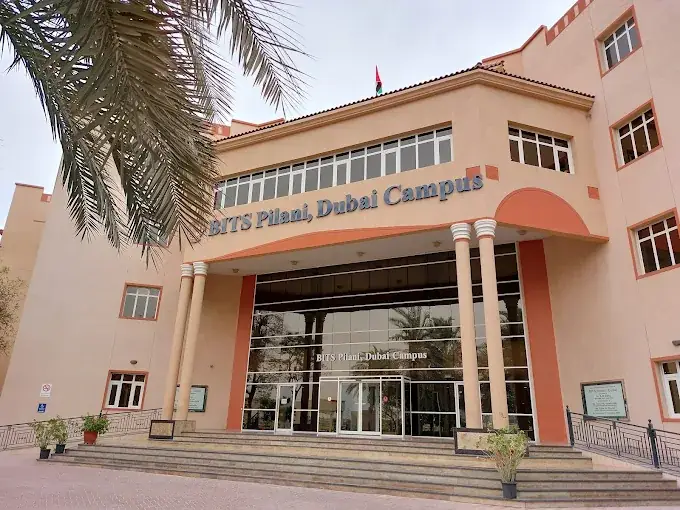
Birla Institute of Technology and Science Pilani Dubai Campus

Birla Institute of Technology and Science Pilani Dubai Campus

Birla Institute of Technology and Science (BITS) Pilani – Dubai Campus is one of the most well-established international branch campuses in the United Arab Emirates. Known for its strong academic foundation, rigorous curriculum, and emphasis on science, engineering, and technology, the Dubai campus extends the legacy of BITS Pilani to students in the Middle East and beyond. This guide is designed to provide a clear, detailed, and realistic overview of BITS Pilani Dubai Campus for students considering studying in Dubai. It is intended for local UAE students, international applicants, parents, and education consultants seeking accurate information about programs, admissions, accreditation, fees, campus life, and career outcomes, while also supporting academic needs like assignment writing. The article aims to support informed decision-making through fact based insights rather than promotional claims. Overview of the University BITS Pilani was established in India in 1964 and has since grown into one of the most respected private universities in the region, particularly in the fields of engineering, science, and technology. The Dubai Campus was established in 2000, making it the first international campus of BITS Pilani and one of the earliest foreign university campuses in Dubai. The university’s vision is to provide world-class education that combines academic excellence with innovation, research, and industry relevance. Its academic philosophy emphasizes merit-based admissions, continuous evaluation, and a strong focus on analytical thinking and problem-solving skills. Within the UAE, BITS Pilani Dubai Campus has built a reputation for academic rigor and consistency with the standards of its Indian parent institution. Internationally, the BITS Pilani brand is widely recognized, particularly among employers in engineering, technology, and research-driven sectors. Campus Overview BITS Pilani Dubai Campus is located in Dubai International Academic City (DIAC), a dedicated education hub that hosts several international universities. The location provides students with access to academic infrastructure, transport connectivity, and proximity to key commercial and industrial areas of Dubai. The campus was established to meet the growing demand for high-quality engineering and technology education in the Gulf region. It allows students to earn a BITS Pilani degree while studying in an international environment. The campus environment is academically focused and multicultural. Students come from various countries across Asia, the Middle East, Africa, and Europe, creating a diverse learning atmosphere. The academic culture emphasizes discipline, independent learning, and performance-based evaluation. Accreditation & Recognition BITS Pilani Dubai Campus is licensed by the UAE Ministry of Education (MOE) through the Commission for Academic Accreditation. It also operates within the regulatory framework applicable to higher education institutions in Dubai. Degrees awarded by the Dubai Campus are issued by BITS Pilani and are recognized in the UAE and internationally, subject to local credential evaluation requirements. Graduates are generally eligible for employment in both government and private sector organizations, depending on employer and professional licensing criteria. The university’s strong academic standing makes its degrees suitable for further education, research opportunities, and professional careers in engineering, technology, and science-based fields. Colleges & Academic Programs Offered Faculty of Engineering The Faculty of Engineering forms the core of academic offerings at BITS Pilani Dubai Campus. Major undergraduate programs include: Computer Science Electrical and Electronics Engineering Mechanical Engineering Electronics and Communication Engineering Chemical Engineering Postgraduate programs include: Master’s programs in Engineering and Technology disciplines Specialized postgraduate programs aligned with industry needs These programs focus on strong theoretical foundations combined with laboratory work, projects, and applied learning. Faculty of Science The Faculty of Science supports interdisciplinary and foundational scientific education. Undergraduate programs include: Physics Chemistry Mathematics These programs are often integrated with engineering degrees or offered as part of dual-degree structures, allowing students to build strong analytical and research skills. Faculty of Management The Faculty of Management offers programs focused on business and management education. Programs include: Business Administration and Management-related degrees at undergraduate and postgraduate levels The curriculum integrates quantitative skills, analytical thinking, and business fundamentals relevant to technical and corporate environments. Admission Requirements Undergraduate Admission Applicants must have completed a recognized high school qualification with strong academic performance, particularly in mathematics and science subjects. Engineering programs typically require higher achievement in physics, chemistry, and mathematics. Admissions are merit-based and competitive, reflecting the academic standards of BITS Pilani. Postgraduate Admission Postgraduate applicants must hold a relevant bachelor’s degree from a recognized institution. Certain programs may require a minimum GPA and relevant academic background in engineering, science, or management. English Language Requirements Applicants are required to demonstrate English proficiency through standardized tests such as IELTS or TOEFL, unless they have completed prior education in English-medium institutions as per university policy. Transfer Students Transfer students may apply for credit transfer based on previous coursework. Credit recognition is subject to academic evaluation, syllabus matching, and university approval. Tuition Fees & Scholarships The tuition fee structure at BITS Pilani Dubai Campus varies by program and level of study. Engineering and laboratory-intensive programs may include additional academic or facility-related costs. Students should also consider additional expenses such as registration fees, laboratory charges, and examination-related costs. The university may offer merit-based scholarships, financial assistance, or fee concessions for eligible students. Scholarship availability and criteria are subject to institutional policy and academic performance. Campus Facilities & Student Life The campus is equipped with modern classrooms, advanced laboratories, computing facilities, and a well-resourced library that supports academic and research activities. Student services include academic advising, administrative support, counselling services, and career guidance. These services aim to support students throughout their academic journey. Student life includes technical clubs, academic societies, cultural events, and student-led initiatives. Activities are designed to complement academic learning and encourage leadership, teamwork, and professional development. Faculty & Teaching Approach Faculty members at BITS Pilani Dubai Campus are academically qualified and often possess research and industry experience. Many faculty members are involved in research projects and academic publications. Teaching methodology emphasizes lectures, tutorials, laboratory work, continuous assessment, and project-based learning. The curriculum is aligned with global academic standards and industry expectations. The university places strong emphasis on analytical thinking, independent learning, and problem-solving rather than rote memorization. Career Opportunities & Industry Connections … Read more

Weekend Classes in UAE Universities: Are They Allowed?

Weekend Classes in UAE Universities

For many students in the United Arab Emirates, balancing academics with work, family, and personal commitments is a daily challenge. One common question that comes up, especially during busy semesters, is whether universities in the UAE are allowed to conduct weekend classes and how this affects academic life, particularly when managing tasks like essay writing. Understanding the Academic Week in UAE Universities The UAE follows a slightly different academic rhythm compared to many other countries. While the standard academic week globally often runs from Monday to Friday, universities in Dubai, Abu Dhabi, Sharjah, Ajman, and other Emirates operate within a framework shaped by local work culture and international education models. International students may face an academic culture shock in UAE when adjusting to weekend class intensity and accelerated schedules. Typical University Schedules Most full-time undergraduate and postgraduate programs schedule lectures between Monday and Friday. These days align with campus operations, faculty availability, and student services such as libraries and academic support centers. Why the Weekend Question Matters With part-time jobs, internships, and family responsibilities, many students in UAE look for flexibility. This is where questions about weekend classes UAE universities allow begin to surface, particularly among working professionals and international students. Are Weekend Classes Allowed in UAE Universities? Yes, weekend classes are allowed, but they are not standard across all programs or institutions. Institutional Autonomy Universities in UAE have the authority to design their academic schedules within accreditation guidelines. This means weekend classes may be permitted depending on: Program structure Mode of study (full-time, part-time, executive) Faculty availability Student demand However, weekend teaching is usually the exception rather than the norm. Which Programs Commonly Offer Weekend Classes? Weekend classes are more likely in specific academic formats. Executive and Professional Degrees MBA programs, executive education, and professional diplomas often include weekend sessions. These programs cater to working professionals who cannot attend weekday classes. Part-Time and Continuing Education Some universities in Dubai and Abu Dhabi offer part-time degrees with weekend options. These programs are structured to accommodate students balancing work and study. Short-Term and Modular Courses Certificate programs, foundation courses, and skills-based modules may schedule intensive weekend classes to complete coursework efficiently. Why Full-Time Programs Rarely Use Weekends Traditional undergraduate and postgraduate programs typically avoid weekend teaching. Academic Consistency Full-time degrees follow a structured weekly learning pace that includes lectures, tutorials, labs, and independent study time. Weekend classes can disrupt this balance. Student Wellbeing Universities recognize that students need downtime for rest, revision, and assignment preparation, especially during peak assessment periods. Faculty and Resource Availability Most academic staff are contracted for weekday teaching, and campus facilities may operate on reduced schedules during weekends. Planning your semester efficiently also involves understanding semester break rules in UAE. Weekend Classes and International University Standards Many UAE universities follow British, American, or Australian academic frameworks. Alignment with Global Models These international systems generally emphasize weekday instruction. Weekend classes are acceptable in professional or executive programs but uncommon in standard degrees. Accreditation Considerations Accrediting bodies focus on learning outcomes rather than days of instruction. As long as academic quality is maintained, weekend classes are permissible within certain formats. How Weekend Classes Affect Academic Workload Students often underestimate how weekend classes change the academic experience. Compressed Learning Weekend sessions are usually longer and more intensive. This requires sustained concentration and advanced preparation. Faster Assignment Turnarounds Assignments linked to weekend classes often come with shorter deadlines, increasing pressure on students. Reduced Recovery Time Without weekdays free for recovery, students may struggle to manage fatigue alongside academic expectations. Impact on Assignment Writing and Assessment Preparation This is where weekend classes directly influence academic performance. Limited Writing Time Students attending weekend classes may find less time for research, drafting, and revision especially for essays and reports. Higher Expectations Instructors often expect weekend students to demonstrate maturity, independence, and strong academic writing skills. Increased Risk of Errors Tight schedules can lead to rushed submissions, referencing mistakes, or unclear arguments. Weekend Classes and Academic Integrity in UAE UAE universities apply strict academic integrity policies, regardless of class schedules. No Flexibility on Rules Even if students attend weekend classes, plagiarism rules, citation standards, and originality requirements remain unchanged. Common Risks Students under time pressure may unintentionally: Over-rely on sources Misuse paraphrasing Miss citation details Universities do not consider time constraints as an excuse for violations. Weekend schedules often add pressure, making it essential to familiarize yourself with university grading systems. How Students in UAE Can Manage Weekend Class Pressure Effective planning becomes essential. Time Management Strategies Students should: Start assignments early Break tasks into smaller milestones Schedule writing time during weekdays Understanding Rubrics Early Weekend courses often move quickly. Understanding grading criteria from the start prevents confusion later. Seeking Clarification Asking instructors questions early can save time and prevent rework. Weekend Classes vs Online Learning in UAE Some students confuse weekend classes with online flexibility. Not the Same Experience Weekend classes are usually face-to-face or live sessions with strict attendance requirements. Online Courses Online programs may offer asynchronous learning, but assessments still follow strict deadlines. Hybrid Models Some universities combine weekend sessions with online components to reduce campus time. Assignment Writing Challenges Specific to Weekend Programs Students in weekend-based programs often face unique writing hurdles. Condensed Research Time With fewer weekdays available, research becomes more intense and focused. Higher Self-Directed Learning Weekend programs expect students to manage readings, drafts, and revisions independently. Language and Structure Issues Students with strong professional experience but limited academic writing exposure may struggle with formal standards. The Role of Academic Writing Help in UAE for Weekend Students This is where structured academic support becomes relevant. Why Weekend Students Seek Support Students enrolled in weekend classes UAE universities allow often look for help due to: Tight submission timelines Complex assignment instructions High grading expectations Ethical Academic Guidance Proper academic writing support focuses on: Structuring arguments Improving clarity Correct referencing Understanding feedback This helps students meet university standards without compromising integrity. Choosing the Right Support for UAE Weekend Programs Not … Read more

Study in UAE After FSC & A-Levels: Complete Guide

Study in UAE After FSC & A-Levels:

Finishing FSC or A-Levels opens the door to global education pathways, and the UAE has quickly become one of the most attractive destinations for international students. With world-ranked universities, modern campuses, and strong career outcomes, studying in the UAE after FSC or A-Levels is now a smart, future-focused decision. Learn which UAE universities accept 12 years of education and how direct admission works for international students. This complete guide explains everything you need to know, eligibility, programs, costs, admissions, and career prospects, so you can move forward with clarity and confidence. Why the UAE Is a Top Choice After FSC or A-Levels The UAE has positioned itself as an international education hub, especially in cities like Dubai, Abu Dhabi, and Sharjah. Students from Pakistan, the UK, Africa, and Asia choose the UAE because it combines globally recognized degrees with a culturally familiar environment. To manage academic pressure in such a diverse setting, many students also rely on assignment help for deadlines to stay organized, meet submission requirements on time, and maintain consistent academic performance. Key reasons students prefer the UAE: English-taught degree programs International accreditation Safer campuses and modern infrastructure Proximity to Pakistan and South Asia Strong employment exposure during and after studies For FSC and A-Level students, the UAE offers a smooth academic transition without unnecessary foundation years in many cases. Understanding Eligibility After FSC or A-Levels Eligibility requirements vary by university and program, but most UAE universities recognize FSC (Pre-Engineering, Pre-Medical, ICS) and A-Levels. Eligibility After FSC (Intermediate) Students with FSC backgrounds are eligible for many undergraduate programs if they meet subject and percentage requirements. Typical criteria include: Minimum 50%–60% overall marks Relevant subject background (Maths, Physics, Biology, etc.) Equivalence certificate (in some cases) Pre-Medical students can also shift to non-medical programs like business, IT, or psychology in many universities. Eligibility After A-Levels A-Level students usually benefit from flexible admission policies. Common requirements: 2–3 A-Level subjects passed Minimum grade thresholds depending on the program AS-Level acceptance in selected universities Some universities also accept mixed qualifications (O-Levels + A-Levels). Popular Degree Programs After FSC / A-Levels The UAE offers a wide range of undergraduate programs aligned with global job markets. Engineering and Technology Programs Ideal for FSC Pre-Engineering and A-Level Maths students. Popular options: Computer Engineering Electrical and Mechanical Engineering Artificial Intelligence Data Science Software Engineering Many campuses are located near technology hubs like Dubai Silicon Oasis and Masdar City. Medical and Health-Related Programs While MBBS seats are limited, alternatives are widely available: Pharmacy Biotechnology Nursing Medical Laboratory Sciences Public Health These programs follow international medical education standards. Business, Management, and Finance Business programs are among the most accessible after FSC or A-Levels. Common choices include: Business Administration Accounting and Finance Marketing and Digital Marketing Human Resource Management Entrepreneurship Dubai’s corporate ecosystem provides strong internship exposure. IT, Computer Science, and Cybersecurity High demand and strong job outcomes make IT programs extremely popular. Options include: Computer Science Information Technology Cybersecurity Cloud Computing Game Development These degrees are often updated to match industry needs. Media, Design, and Creative Fields Students with arts or mixed backgrounds can explore: Media and Communication Graphic Design Interior Design Animation and Multimedia Dubai’s creative zones support real-world project exposure. Top UAE Universities Accepting FSC and A-Levels Many public and private universities accept international students directly after secondary education. Universities in Dubai Dubai hosts globally affiliated campuses and private universities offering UK, US, and Australian degrees. Highlights: Strong international recognition Internship-driven programs Industry networking opportunities Explore a complete list of universities in Dubai offering internationally recognized undergraduate programs. Universities in Sharjah Sharjah is known for academically focused institutions and comparatively affordable living. Benefits: Lower accommodation costs Strong academic reputation Family-friendly environment Universities in Abu Dhabi Abu Dhabi universities emphasize research, innovation, and public sector partnerships. Students benefit from: High academic standards Advanced research facilities Government-supported initiatives Admission Process Step by Step Applying to study in the UAE is straightforward if planned properly. Step 1: Choose the Right Program and University Match your FSC or A-Level subjects with program requirements. Step 2: Prepare Required Documents Usually required: Academic transcripts Passport copy Personal statement Passport-size photographs Step 3: Submit Online Application Most universities offer digital application portals with fast processing. Step 4: Receive Offer Letter Conditional or unconditional offers are issued based on eligibility. Step 5: Apply for Student Visa Universities often assist with visa processing once fees are paid. Cost of Studying in UAE After FSC or A-Levels Costs vary by city, university, and program type. Tuition Fees Average annual tuition ranges: AED 35,000 to AED 80,000 Medical and engineering programs may cost more Private universities usually charge higher fees than public ones. This guide covers foundation year options for students who need academic or subject bridging before degree entry. Living Expenses Monthly living costs may include: Accommodation Food and transport Health insurance Sharjah is generally more affordable than Dubai. Scholarships and Fee Reductions Many universities offer financial support for international students. Merit-Based Scholarships Awarded based on: High FSC percentages Strong A-Level grades Discounts may range from 10% to 50%. Early Application Benefits Students applying early often receive: Better scholarship consideration Flexible payment plans Priority program placement Work Opportunities During Study International students can work part-time under UAE regulations. Common opportunities: Internships Campus jobs Industry placements These roles enhance employability after graduation. Career Prospects After Graduation UAE degrees are globally recognized, allowing graduates to pursue careers locally or internationally. Popular employment sectors: Technology and IT Healthcare Finance and banking Aviation and logistics Marketing and media The UAE also offers post-study work opportunities in many industries. Why Early Planning Matters Late applicants often face: Limited program availability Fewer scholarship options Visa processing delays Starting early gives you control over choices and costs. Discover budget-friendly universities in the UAE that offer quality education for international students. FAQs Q1. Can I study in UAE after FSC? A. Yes, many UAE universities accept FSC students directly into bachelor’s programs. Q2. Is A-Level accepted in UAE universities? A. Yes, A-Levels are widely … Read more

Translate »