
UAE Student Visa Rejection Reasons Applicants Overlook

UAE Student Visa Rejection Reasons Applicants Overlook
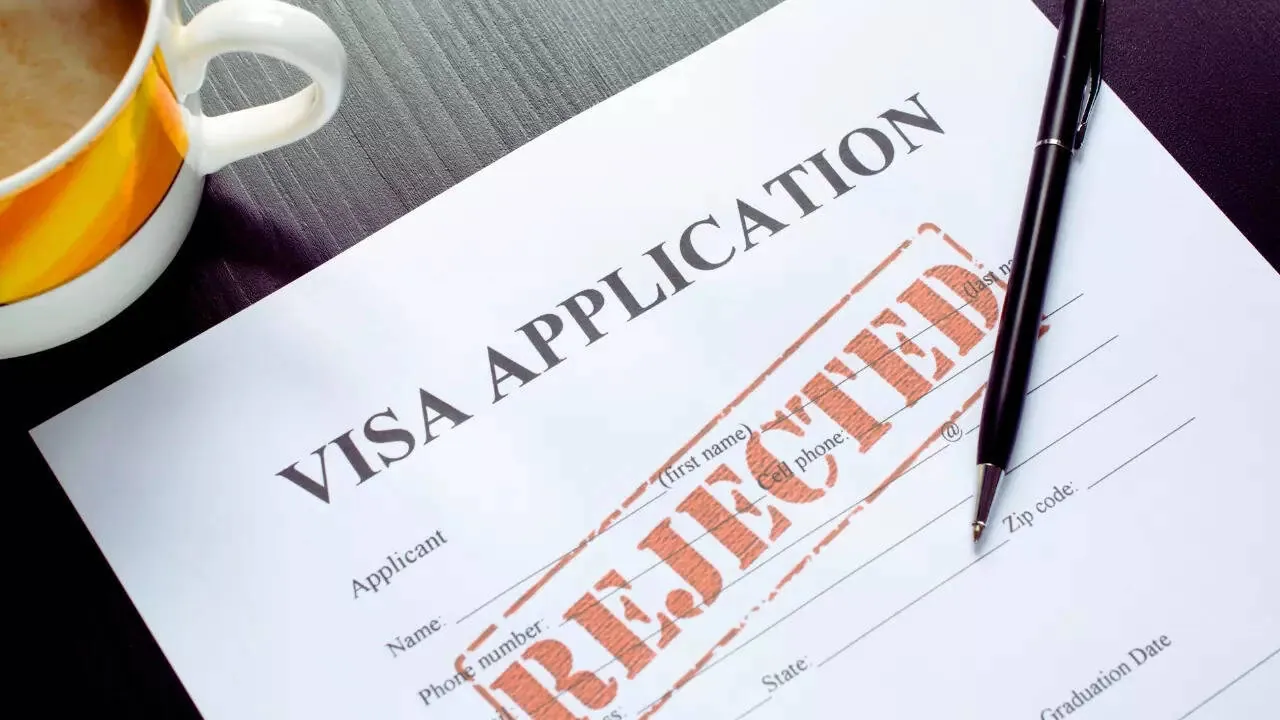
Applying to study in the UAE is exciting, but the visa stage can quickly become stressful when expectations clash with reality. Every year, capable students with genuine academic offers face refusal, not because they lack potential, but because small details were missed. Understanding UAE student visa rejection reasons early can save time, money, and academic momentum. Why UAE Student Visas Are Carefully Assessed The United Arab Emirates welcomes international education, yet its visa system is structured, rule-driven, and documentation-focused. For students, accessing the right student help can make a significant difference, as immigration authorities assess applications based not only on admission letters but also on financial clarity, academic intent, and long-term compliance. For students in UAE universities, visa approval is the gateway to everything that follows, enrollment, housing, coursework, and deadlines that do not pause for paperwork issues. The Most Common UAE Student Visa Rejection Reasons Explained Incomplete or Inconsistent Documentation One of the most frequent causes of rejection is missing or mismatched paperwork. Even strong academic profiles fail when documents do not align. Common issues include: Discrepancies between passport details and admission letters Missing attestation of certificates Incorrect document formats or outdated versions UAE authorities cross-check every submission. A single inconsistency can trigger refusal. Incomplete compliance with medical and health insurance requirements can also delay or derail student visa approvals, even after admission is secured. Unverified or Weak University Admission Letters Not all offer letters are treated equally. Immigration officers assess whether the admitting institution is: Licensed by UAE authorities Approved for international student visas Issuing a genuine, verifiable offer Conditional offers or unofficial communications can raise doubts about academic seriousness. Financial Proof: A Major Decision Factor Insufficient Financial Evidence Another major entry among UAE student visa rejection reasons is weak financial documentation. Authorities want assurance that students can: Pay tuition on time Cover accommodation and living costs Remain financially stable throughout their studies Bank statements with sudden deposits or unclear sources often raise red flags. Sponsorship Documents That Lack Clarity Many students rely on family sponsors. Rejections occur when: Sponsor income is not clearly documented Relationship proof is missing Sponsor residency status is unclear Transparency matters more than the amount shown. Academic Background Concerns Gaps in Education Without Explanation Study gaps are not automatically disqualifying, but unexplained ones create suspicion. Applicants are often rejected when: Gap years are undocumented Employment claims lack proof Academic progression appears inconsistent A clear academic narrative strengthens visa credibility. Low Academic Alignment with Chosen Program Visa officers review whether: Previous qualifications match the chosen degree The academic path shows logical progression For example, sudden shifts without explanation can suggest non-academic intent. Language Proficiency and Communication Issues Missing English Proficiency Evidence Most universities in Dubai, Abu Dhabi, and Sharjah teach in English. Visa refusal can occur when: Required IELTS or equivalent scores are missing Scores do not meet minimum thresholds Documents are expired Language readiness signals academic preparedness. Poorly Written Statements or Forms Errors in application forms or statements can unintentionally harm credibility. Issues include: Generic answers Contradictory explanations Poor grammar that obscures meaning Clear communication reflects seriousness and readiness for academic life. Immigration History and Compliance Records Previous Visa Violations Students with prior immigration issues may face rejection due to: Overstays in any country Previous UAE visa violations Incomplete exit records Authorities assess risk based on past compliance. Repeated Visa Applications Without Change Applying multiple times without addressing earlier refusal reasons often leads to repeat rejection. Each application is reviewed against previous records. Because the UAE universities attendance policy applies from the first week, visa delays can immediately place students at academic risk once classes begin. Health and Security-Related Reasons Medical Test Concerns While student visas have simpler medical requirements, rejections can occur if: Required tests are missing Reports are outdated Medical forms are incomplete Accuracy and timeliness are essential. Security Clearance Issues In rare cases, applications are refused due to: Background verification delays Incomplete personal history details These are procedural rather than academic, but still decisive. University-Specific Compliance Issues Enrollment Confirmation Delays Some UAE universities require: Tuition deposit confirmation Enrollment registration before visa processing Failure to meet institutional timelines can block visa issuance. Missed University Deadlines Visa processing often runs parallel to academic calendars. Missing internal university deadlines can result in: Deferred admission Visa cancellation before approval Academic timelines in the UAE are strict and unforgiving. How Academic Pressure Intensifies Visa Stress Deadlines Do Not Pause for Visa Issues Students often assume assignments or semesters will adjust for visa delays. In reality: Coursework starts as scheduled Attendance requirements apply immediately Missed assessments affect grades Visa rejection impacts academic performance directly. Assignment Planning Begins Before Arrival Many universities release: Reading lists Early assignments Online portals Students delayed by visa issues start behind, increasing pressure from the first week. The Role of Academic Writing Readiness Why Writing Skills Matter Even Before Visa Approval Visa officers assess academic intent partly through: Statements of purpose Study plans Motivation letters Weak structure or unclear academic goals can weaken applications. Academic Integrity Signals Serious Intent Clear understanding of: Referencing styles Research expectations Assignment formats Shows preparedness for UAE academic standards. Visa-related stress becomes more challenging when combined with the interactive teaching style in UAE universities, which expects active participation from day one. Cultural and Contextual Misunderstandings Misjudging UAE Academic Expectations Some applicants underestimate: Academic rigor Assessment frequency Independent research demands This mismatch reflects poorly in visa documentation. Informal Communication Styles Overly casual language in official documents can appear unprofessional. UAE academic and immigration communication values clarity and formality. How to Reduce the Risk of Visa Rejection Build a Coherent Academic Story Successful applicants present: Clear academic progression Logical program choice Long-term educational goals Consistency across documents is key. Prepare Financial Documents Early Last-minute financial preparation often leads to mistakes. Early planning allows: Clean bank statements Proper sponsorship verification Time for corrections Respect Timelines Rigorously UAE systems reward punctuality. Delays signal risk. The Academic Impact of Visa Delays and Rejections Emotional and Mental Pressure on Students Visa uncertainty … Read more

Graduate Visa Options After Studying in UAE

Graduate Visa Options After Studying in UAE

For many students, finishing a degree in the UAE brings both pride and pressure. Alongside final exams and submissions, questions about staying legally in the country begin to surface. Understanding graduate visa UAE students options early helps reduce stress, protect academic outcomes, and avoid rushed decisions at the most critical stage of university life. Why Graduate Visa Planning Should Start Before Final Year In UAE universities, academic timelines move quickly, especially during the final year. Dissertations, capstone projects, internships, and exams often overlap, leaving little space for administrative planning. Graduate visa options are directly affected by: Official graduation dates Transcript availability Academic clearance Visa expiry timelines Students who delay planning often find themselves balancing visa anxiety with assignment pressure, a combination that can seriously affect grades. Many visa routes are closely linked to employment, which is why understanding post study work opportunities in the UAE is essential before initiating any graduate visa application. Understanding the UAE Visa System for Graduates How Student Visas End After Graduation A UAE student visa is issued specifically for education. Once a program officially ends, the visa does not remain valid indefinitely. Graduates usually enter a short grace period during which they must either: Exit the country Change visa status Secure a new legal residency option Any delay in academic clearance, such as pending assignments or re-submissions, can complicate this process. Why Academic Completion Status Matters Universities in Dubai, Abu Dhabi, Sharjah, and Ajman do not issue completion letters until all academic requirements are fulfilled. This includes: Final coursework submissions Plagiarism clearance Outstanding assessments Administrative approvals Without these documents, graduates cannot proceed with most visa changes. Graduate Visa Options Available in the UAE Short-Term Post-Graduation Stay Options Many graduates initially rely on short-term stay arrangements that allow them to remain in the UAE while seeking employment or internships. These options are time-sensitive and require accurate academic documentation. Short-term options are best suited for students who: Have completed all coursework on time Are actively applying for jobs Need limited time to transition Missing deadlines at university can shorten or eliminate these opportunities. Job-Seeker and Transitional Visas Some graduates apply for visas designed to allow job searching without immediate employer sponsorship. These options require: Proof of graduation Valid academic records Clean immigration history Graduates struggling with delayed transcripts due to academic issues often face challenges at this stage. Employer-Sponsored Work Visas The most common long-term solution is an employer-sponsored visa. However, employers typically require: Official degree certificates or completion letters Strong academic records Evidence of skill readiness Students who rush final assignments or receive academic penalties may find job offers delayed or withdrawn. Internship and Trainee Visa Pathways Graduates entering structured internships may transition through trainee or internship visas. These are common in: Business and management sectors Engineering and technical fields Aviation, logistics, and operations Academic performance plays a key role, especially where internships are competitive or regulated. Delayed submissions or resits can extend degree completion time in UAE universities, directly affecting eligibility windows for graduate visa transitions. How Academic Performance Influences Visa Transitions The Direct Link Between Grades and Visa Timing Grades do more than shape employability, they influence visa readiness. Low grades, failed modules, or misconduct investigations can: Delay graduation confirmation Postpone visa eligibility Create legal uncertainty In the UAE, even small academic delays can have serious immigration consequences. Academic Writing and Clearance Risks Many visa delays originate from writing-related issues: Plagiarism flags Improper referencing Incomplete dissertations Rejected final projects These problems often appear during high-pressure submission periods, when students are already managing visa deadlines. This is why students frequently seek clarity through academic guidance resources such as the Homework and Assignment Helper blog, especially near the end of their degree. Visa Options for High-Achieving Graduates Merit-Based and Long-Term Residency Pathways High-performing graduates may qualify for extended residency options based on: Academic excellence Research contributions Specialized skill sets These options are competitive and require clean academic records with no integrity violations. Research and Postgraduate Continuation Visas Graduates moving into postgraduate study often transition through education-linked visas. This path requires: Strong undergraduate performance Research readiness Advanced academic writing capability Students who struggled with structured writing at undergraduate level often need additional preparation before taking this route. Emirate-Specific Considerations for Graduates Dubai Dubai offers the widest range of graduate opportunities but also enforces strict documentation checks. Graduates from universities in Dubai often face fast-moving recruitment cycles that demand immediate visa readiness. Academic delays can cause graduates to miss hiring windows entirely. Abu Dhabi Abu Dhabi emphasizes research, public-sector roles, and regulated industries. Visa pathways here often prioritize: Academic discipline Analytical depth Documentation accuracy Graduates must ensure all academic records are complete and error-free. Sharjah and Northern Emirates Sharjah places strong emphasis on academic integrity. Even minor violations can delay graduation documents, affecting visa options. Understanding academic expectations, such as those reflected in University of Sharjah programs, helps students avoid preventable delays. International Students: Extra Layers of Responsibility Managing Language and Documentation Challenges International students often face additional hurdles: Academic writing in a second language Complex referencing systems Strict plagiarism thresholds Errors in final submissions can delay graduation letters, directly affecting visa timelines. Issues such as plagiarism investigations may place students under academic probation rules in UAE universities, which can freeze graduation clearance and disrupt visa planning. Cultural Adjustment and Administrative Precision UAE systems require precision. Missed signatures, incomplete forms, or unclear academic status can stall visa processing. Students juggling final assignments often underestimate how closely academic and immigration systems are connected. Common Mistakes Graduates Make with Visas Waiting Until Exams End to Start Planning By the time exams finish, visa deadlines may already be close. Planning should begin at least one semester earlier. Underestimating Assignment Impact Many students assume “passing is enough.” In reality, unresolved coursework can: Delay degree issuance Freeze visa transitions Increase legal costs Ignoring Academic Integrity Risks Plagiarism investigations, even minor ones, can suspend graduation clearance. Visa timelines rarely wait for academic appeals. How Academic Writing Support Fits into Visa Planning Writing as … Read more

Translate »