
Universities as Stability Anchors in Crisis UAE

Universities as Stability Anchors in Crisis UAE
Sorbonne University Abu Dhabi Launches AI Short Film Competition for Students In times of uncertainty whether caused by global disruptions, policy changes, or unexpected academic shifts students across the UAE often find themselves under immense pressure. From sudden transitions to remote learning to changes in assessment methods, an education crisis can deeply affect academic performance, mental well-being, and future plans. For students in Fujairah and across the UAE, universities are more than just institutions they are expected to act as anchors of stability, providing structure, guidance, and support when everything else feels uncertain. But what does that really mean for students? And more importantly, how can you stay academically strong during uncertain times? This guide explores how universities support students during crises and how you can take control of your academic journey despite challenges. Understanding an Education Crisis in the UAE Context An education crisis doesn’t always mean a complete shutdown of institutions. It can include: Sudden shifts to online or hybrid learning Exam cancellations or altered grading systems Limited access to campus resources Increased academic pressure due to uncertainty In the UAE universities often respond quickly to maintain continuity. However, students still face challenges such as adapting to new systems, managing independent learning, and staying motivated. Why Universities Must Act as Anchors of Stability During uncertain times, universities play a critical role in ensuring students remain supported both academically and emotionally. 1. Providing Academic Continuity Universities ensure that learning continues through online platforms, recorded lectures, and digital resources. 2. Maintaining Clear Communication Regular updates about assessments, deadlines, and policies help reduce confusion and anxiety. 3. Supporting Mental Well-being Counselling services and student support programmes help students cope with stress and uncertainty. 4. Offering Flexible Learning Options Deadlines, submission formats, and attendance policies may be adjusted to accommodate students’ situations. 5. Ensuring Academic Integrity Even during crises, universities maintain strict standards for plagiarism, referencing, and research quality. What This Means for Students While universities provide support, students must also adapt to changing academic environments. Common challenges include: Difficulty focusing in remote learning environments Managing independent academic research Understanding changing assessment criteria Balancing personal responsibilities with studies This is especially true for ESL students and working professionals studying part-time in the UAE. The Role of Dissertations During Academic Uncertainty Even during an education crisis, major academic requirements like dissertations remain unchanged. A dissertation is a structured research project that demonstrates your ability to: Conduct in-depth academic research Apply research methodology Analyse and interpret data Present arguments using proper citation styles such as APA, MLA, Harvard, or Chicago Why Dissertations Become More Challenging in a Crisis Limited access to physical libraries and resources Reduced face-to-face interaction with supervisors Increased reliance on self-discipline Difficulty in collecting primary data Common Mistakes Students Make Delaying research due to uncertainty Poor time management Weak literature reviews Ignoring supervisor feedback Submitting work without proper editing Why Students Seek Academic Help During Crisis Periods In uncertain academic conditions, many students in the UAE look for additional support. Time Pressure Changing deadlines and multiple assignments can become overwhelming. Research Complexity Understanding research methodology and data analysis without direct guidance is difficult. Academic Writing Challenges Writing in formal academic English can be challenging, especially for ESL learners. Work-Study Balance Many students are managing jobs alongside their studies. Seeking guidance helps students stay organised and maintain academic quality. Types of Academic Support That Can Help Ethical academic support focuses on improving your work, not replacing it. This includes: Topic selection and refinement Structuring literature reviews Understanding research methodology Assistance with data analysis Editing and proofreading for clarity and accuracy These services help students meet university standards while maintaining originality. Academic Integrity Still Matters Even during an education crisis, UAE universities enforce strict academic integrity policies. Students are expected to: Submit original work Avoid plagiarism (checked through Turnitin) Follow proper referencing guidelines Getting help is allowed but only when it supports your learning, not replaces your effort. Practical Strategies to Stay Stable During Academic Uncertainty Here’s how you can stay in control of your studies during challenging times: 1. Build a Structured Routine Consistency helps maintain focus even when external conditions change. 2. Break Tasks into Smaller Steps Divide assignments and research into manageable parts. 3. Stay Connected with Your University Regularly check emails and announcements for updates. 4. Improve Research Skills Use credible academic sources and journals for your work. 5. Communicate with Supervisors Clarify doubts early to avoid confusion later. 6. Use Academic Tools Plagiarism checkers and referencing tools can improve quality. 7. Take Care of Your Mental Health Balance study with rest, exercise, and relaxation. 8. Ask for Help When Needed Seeking guidance early can prevent bigger problems later. Choosing Reliable Academic Support If you consider academic help, make sure it is trustworthy. Look for: Qualified academic experts Transparent communication Clear policies Ensure: Proper citation styles are used Work is plagiarism-free Research is well-structured Avoid: Services promising guaranteed grades Extremely low-cost offers Lack of communication or support Why UAE Students Need Extra Support During Crises Students in the UAE face unique challenges: Multicultural academic environments ESL language barriers High expectations from international education systems Rapid shifts in learning formats In cities like Fujairah, adapting to digital learning environments can add additional pressure, making structured support even more valuable. A Supportive Option for Students During difficult academic periods, having the right guidance can make a significant difference. Platforms like Homework and Assignment Helper offer ethical academic support tailored for UAE students. This includes: Clarifying complex research topics Improving academic writing structure Providing editing and proofreading assistance The goal is to help you build confidence and perform better academically. Frequently Asked Questions Q1. How do universities support students during an education crisis? A. Universities provide online learning systems, flexible deadlines, academic resources, and mental health support to help students continue their education without disruption. Q2. How can students stay motivated during uncertain academic periods? A. Creating a daily routine, setting small goals, and staying connected with peers and instructors can … Read more

Zayed University Collective Care Model UAE Guide

Zayed University Collective Care Model UAE

Distance learning across the United Arab Emirates has brought both flexibility and challenges, especially for students in Fujairah who often face isolation and time management pressures. The collective care approach at Zayed University highlights a more student focused, supportive learning environment. This guide explores how such models help students build confidence and succeed in advanced academic tasks like dissertations and research projects. What Is Zayed University’s ‘Collective Care’ Model? The concept of collective care focuses on building a supportive academic ecosystem where: Students, faculty, and advisors collaborate actively Emotional well being is prioritised alongside academic success Learning is flexible, inclusive, and accessible Instead of leaving students to manage everything independently, this model encourages: Regular check-ins with instructors Peer collaboration Academic mentoring Mental health support In a distance learning environment, this approach helps students stay connected, motivated, and academically on track. What Is a Dissertation and Why It Becomes Challenging? As students progress into university programmes across the UAE, they eventually face one of the most demanding academic tasks: the dissertation. A dissertation is a detailed academic research project requiring: Independent research and critical thinking Structured academic writing Use of citation styles such as APA, MLA, Harvard, or Chicago Data collection and analysis Supervisor feedback integration Why Dissertations Are Difficult Even with strong academic systems, many students struggle due to: Lack of research experience Difficulty structuring arguments Time management challenges Language barriers (especially for ESL learners) Strict plagiarism checks using tools like Turnitin Common Mistakes Students Make in Distance Learning Without structured campus routines, students often fall into these traps: Procrastination due to flexible schedules Poor communication with instructors Weak research planning Ignoring feedback from supervisors Over-reliance on online summaries instead of original research Recognising these early can help you avoid bigger issues later especially during dissertation writing. Why Students Seek Academic Help in the UAE Distance learning has increased the demand for academic support services, particularly in cities like Fujairah. Key Reasons Include: 1. Time Pressure Balancing online classes, assignments, and personal responsibilities can be overwhelming. 2. Research Complexity Understanding research methodology and data analysis tools requires guidance. 3. Academic Writing Challenges Formal academic writing standards differ significantly from school-level writing. 4. Language Barriers Many students in the UAE are non-native English speakers. 5. Work Study Balance Working professionals studying part-time need structured academic support. Types of Dissertation Assistance Available Students don’t need to navigate dissertations alone. Ethical academic support includes: Topic Selection – Choosing relevant, feasible research topics Proposal Writing – Structuring research aims and questions Literature Review – Evaluating existing studies Methodology Guidance – Selecting research methods Data Analysis – Interpreting findings using tools like SPSS Editing & Proofreading – Improving clarity and grammar Plagiarism Checks – Ensuring originality and compliance Ethical Considerations in the UAE Academic integrity is taken seriously across UAE institutions. Students must: Submit original work Avoid plagiarism Follow university guidelines However, it is completely acceptable to use: Editing and proofreading services Academic guidance Research support The goal is to enhance your learning not replace it. Practical Tips for Success in Distance Learning Inspired by the collective care approach, here are actionable tips you can apply: 1. Create a Structured Routine Set fixed study hours to stay disciplined. 2. Stay Connected Regularly communicate with professors and classmates. 3. Break Down Tasks Divide assignments into manageable steps. 4. Use Academic Resources Access digital libraries, journals, and research tools. 5. Focus on Writing Skills Practice structured academic writing early. 6. Track Feedback Carefully Apply supervisor feedback consistently. 7. Prioritise Well being Take breaks and manage stress effectively. How to Choose Reliable Dissertation Help Not all academic services offer the same quality. Here’s how to choose wisely:  Look For: Qualified subject experts Transparent policies Plagiarism-free guarantees Clear communication channels  Avoid: Services promising guaranteed grades Lack of revision options No clear academic credentials Why UAE & Fujairah Students Have Unique Needs Students in Fujairah and across the UAE often experience: Multicultural academic environments ESL communication challenges Transition from school systems (British, IB, etc.) to university-level research High expectations for academic writing and originality Distance learning adds another layer requiring more self-discipline and independent learning skills. A Supportive Academic Option In situations where students feel overwhelmed, having access to reliable academic guidance can make a difference. Platforms like Homework and Assignment Helper aim to support UAE students by offering: Academic writing assistance Research and dissertation guidance Editing and proofreading support The focus remains on helping students learn, improve, and succeed ethically. FAQs Q1. What is the collective care model at Zayed University? A. It is a student focused approach that promotes collaboration, emotional well being, and academic support through mentoring, peer interaction, and regular instructor engagement. Q2. Why do students in the UAE struggle with dissertations? A. Many students face challenges due to limited research experience, time management issues, language barriers, and the complexity of academic writing and data analysis. Q3. Is academic support allowed in UAE universities? A. Yes, students can use ethical support such as proofreading, editing, research guidance, and feedback assistance, as long as the submitted work remains original. Q4. What tools are commonly used in dissertation research? A. Students often use tools like SPSS for statistical analysis, citation styles such as APA or Harvard, and online academic databases for literature review. Q5. How can students succeed in distance learning? A. Success comes from maintaining a structured study routine, staying connected with instructors, breaking tasks into smaller steps, and consistently applying feedback. Conclusion The shift to distance learning in the United Arab Emirates has transformed how students learn and succeed, with approaches like the collective care model highlighting the importance of support, collaboration, and well being alongside academics. For students in Fujairah, success depends on strong study habits, research skills, and seeking help when needed. As you progress into advanced stages like dissertation writing, academic guidance can provide clarity, confidence, and direction throughout your learning journey.

Student Mental Health Support Services in UAE

Assignment Instructions: Report Writing on Student Mental Health Support Services in UAE Assignment 28 This report accounts for 100% of your module mark. Submit via Turnitin only; submissions via email, pen drive, or hard copy will not be accepted. Include only your Student Reference Number (SRN). The report of Student Mental Health should be 2,000–2,500 words. Word counts outside this range may affect evaluation of your analytical depth and recommendations. A total of 100 marks is available, with a minimum pass of 50%. Harvard referencing must be applied consistently. AI may only be used for language review and formatting. Context Overview Mental Health in Higher Education Student mental health has become a critical focus in UAE universities, influenced by factors such as academic pressure, social adjustment, cultural expectations, and the transition to digital learning environments. Effective mental health support services enhance wellbeing, retention, academic performance, and social engagement. Universities have implemented a range of services: counselling centres, peer-support programmes, online therapy platforms, mindfulness workshops, and crisis response protocols. Yet challenges remain in accessibility, stigma reduction, service awareness, and measuring effectiveness. This assignment encourages students to critically examine the effectiveness, challenges, and strategic enhancement of mental health support in UAE higher education institutions. Learning Outcomes By completing this assignment, students will be able to: Assess the role and effectiveness of mental health support services in UAE universities Analyse the experiences and perceptions of stakeholders including students, faculty, and administrators Evaluate secondary research on service provision, utilisation patterns, and outcomes Propose evidence-based strategies to enhance mental health support, access, and impact Demonstrate UAE-specific contextual understanding, including cultural, institutional, and policy dimensions Report Components Executive Overview Summarise the full report in 400–500 words, highlighting key findings, service challenges, and strategic recommendations. Focus on evidence-based insights rather than descriptive content. Landscape of Mental Health Services Service Types and Accessibility Identify the range of services offered in UAE universities (counselling, online platforms, workshops, peer programmes). Analyse accessibility, including opening hours, online options, and inclusivity for diverse student populations. Service Uptake and Utilisation Examine factors influencing service uptake, such as stigma, awareness campaigns, cultural attitudes, and trust in university support systems. Discuss utilisation trends and compare different universities or program types where possible. Stakeholder Perspectives Faculty Engagement and Role Analyse how academic staff support student mental health and collaborate with services. Consider training in mental health awareness, referral procedures, and classroom support strategies. Administrative Frameworks and Policy Evaluate the role of university leadership and policy in structuring and funding mental health initiatives. Reference UAE national education and health policies, including alignment with Vision 2031 goals. Student Experiences Explore how students perceive and interact with support services. Discuss barriers, facilitators, and satisfaction levels using UAE-specific examples. Evidence-Based Evaluation Analysis of Secondary Research Review peer-reviewed journals, government reports, and institutional surveys on mental health services. Compare findings on effectiveness, accessibility, and impact on student wellbeing. Challenges and Gaps Critically examine limitations such as service coverage, confidentiality concerns, staffing shortages, and digital literacy barriers. Identify gaps between policy intentions and real-world implementation. Strategic Recommendations Propose practical, evidence-based strategies to improve student mental health support: Expand digital counselling and tele-mental health services Strengthen peer mentoring and student-led wellbeing programmes Enhance faculty training and early identification procedures Develop data-driven monitoring and evaluation frameworks for continuous improvement Justify each recommendation with research evidence and UAE-specific examples. Forward-Thinking Perspectives Consider future innovations such as AI-based mental health monitoring, mobile applications, and predictive analytics. Suggest directions for research and policy evolution to meet the changing needs of UAE university students. Presentation Guidelines Use clear headings for logical flow. Include tables, figures, and appendices as appropriate. Apply Harvard referencing consistently. Maintain formal academic style, demonstrating critical thinking and UAE-specific contextual understanding. Include diverse sources, including UAE Ministry of Education publications, peer-reviewed journals, and international best practices. This assignment encourages students to critically explore student mental health services, evaluating stakeholder perspectives, service effectiveness, and strategic enhancements in the context of UAE higher education.

Students of Determination Support in the UAE

Students of Determination Support in the UAE

In the UAE, inclusive education is more than a policy, it’s a commitment to empowering every learner. Recognizing the unique abilities and challenges of a student of determination is essential for fostering both academic success and personal growth. Students of determination can access tailored learning materials and interactive exercises through platforms like Alef Login Student, supporting inclusive academic engagement. What Does “Student of Determination” Mean? The term student of determination is used across the UAE to refer to learners with disabilities or special educational needs who require additional support to thrive academically. This includes students with: Physical disabilities Learning difficulties such as dyslexia or ADHD Sensory impairments like hearing or visual challenges Intellectual or developmental disabilities The focus is on identifying abilities rather than limitations, providing targeted support to help these students participate fully in academic and social life. In UAE universities and schools, including institutions in Dubai, Abu Dhabi, Sharjah, and Ajman, this terminology reflects the country’s commitment to inclusivity under the guidance of the Ministry of Education and initiatives like the National Policy for Empowering People of Determination. The Importance of Inclusive Education in the UAE Inclusive education is a core principle in UAE schools and universities. For a student of determination, inclusive learning environments provide several benefits: Equal Opportunities: Students can access the same curriculum, assignments, and learning outcomes as peers. Skill Development: Tailored programs help students develop cognitive, social, and emotional skills. Confidence and Self-Esteem: Supportive settings encourage students to express themselves and participate actively. Career Readiness: Exposure to inclusive environments prepares students for professional life in the UAE and globally. Universities such as the American University of Sharjah, University of Sharjah, and Canadian University Dubai actively implement inclusive programs, ensuring that every student, regardless of ability, can succeed academically. Academic Support for Students of Determination Supporting a student of determination requires a multi-faceted approach that combines personalized learning, technology, and professional guidance. 1. Individualized Education Plans (IEPs) An IEP is a customized roadmap outlining specific goals, accommodations, and assessment methods for each student. It ensures that learning materials, teaching methods, and evaluation criteria align with the student’s abilities. Example: A student with dyslexia may receive extra time on exams and access to audiobooks for assignments, while a student with physical impairments might have accessible digital platforms for classroom participation. 2. Assistive Technology Assistive tools play a vital role in academic success: Screen readers and text-to-speech software for visually impaired students Speech-to-text apps for students with writing difficulties Adaptive keyboards or specialized mice for students with motor impairments Captioning and transcription tools for hearing-impaired students Such technology ensures that a student of determination can access learning content efficiently and independently. 3. Specialized Support Staff Qualified specialists, such as special educators, occupational therapists, and counselors, provide one-on-one or small group support. These professionals help students: Develop study strategies Manage stress and anxiety related to academic challenges Navigate social interactions and campus life Assignment and Academic Writing Support Assignments, essays, and research projects can pose unique challenges for a student of determination. Academic support services in the UAE play a crucial role in bridging gaps. Portals such as Gulf Asian English School Students Login help students of determination submit assignments securely and track academic progress efficiently. 1. Tailored Writing Assistance Academic writing help includes: Breaking down assignment requirements into manageable steps Providing structured templates for essays and reports Assisting with research, referencing, and formatting These services allow students to focus on content mastery rather than technical obstacles. 2. Time Management Strategies For students facing cognitive or physical challenges, time management is critical. Support may involve: Creating study schedules aligned with individual energy levels Prioritizing assignments based on difficulty and deadlines Using digital planners to track tasks and submission dates 3. Collaborative Learning Group projects and peer collaboration enhance learning while developing social skills. Inclusive practices ensure that students of determination can contribute meaningfully alongside classmates, promoting both academic and interpersonal growth. Challenges Faced by Students of Determination Despite strong policies, students may encounter obstacles: Accessibility Issues: Not all classrooms, libraries, or labs are fully equipped for students with disabilities. Limited Awareness: Some faculty or peers may lack understanding of specific needs, leading to miscommunication. Assessment Pressure: Standardized exams may not always accommodate alternative evaluation methods. Social Inclusion: Participation in extracurricular activities may be limited if accessibility and support are not prioritized. Addressing these challenges requires collaboration among educators, families, and specialized support services. Best Practices for Supporting Students of Determination 1. Universal Design for Learning (UDL) UDL principles involve creating curricula that accommodate diverse learning styles. For example: Offering written, audio, and visual learning materials Providing multiple ways to demonstrate understanding (oral presentations, written essays, or projects) 2. Continuous Professional Development for Educators Teachers and professors benefit from training in: Inclusive teaching strategies Assistive technology integration Awareness of learning difficulties and adaptive assessment methods This enhances classroom accessibility for all students. 3. Student-Centered Learning Environments Allowing students to voice their preferences, goals, and challenges promotes self-advocacy and engagement. Personalized accommodations ensure that a student of determination receives meaningful educational experiences. The UIPS Student Portal offers features that support personalized learning paths, making it easier for students of determination to manage coursework effectively. Social and Emotional Support Academic success is intertwined with emotional well-being. Support mechanisms include: Counseling Services: Address anxiety, stress, or social challenges. Peer Mentoring Programs: Pairing students with supportive peers enhances confidence and campus integration. Inclusive Extracurricular Activities: Sports, clubs, and cultural events adapted for accessibility foster a sense of belonging. Emotional support is crucial for students to navigate both academic expectations and social integration within UAE universities. Role of Parents and Guardians Family involvement strengthens academic outcomes. Parents can: Advocate for accommodations and assistive resources Collaborate with educators to monitor progress Provide emotional support and encourage resilience Promote independent learning skills at home In the UAE, collaboration between families and educational institutions ensures that students of determination achieve their full potential. How Academic Writing Services Can Help For students balancing coursework, exams, and personal … Read more

How Safe Is the UAE for International University Students?

How Safe Is the UAE for International University Students

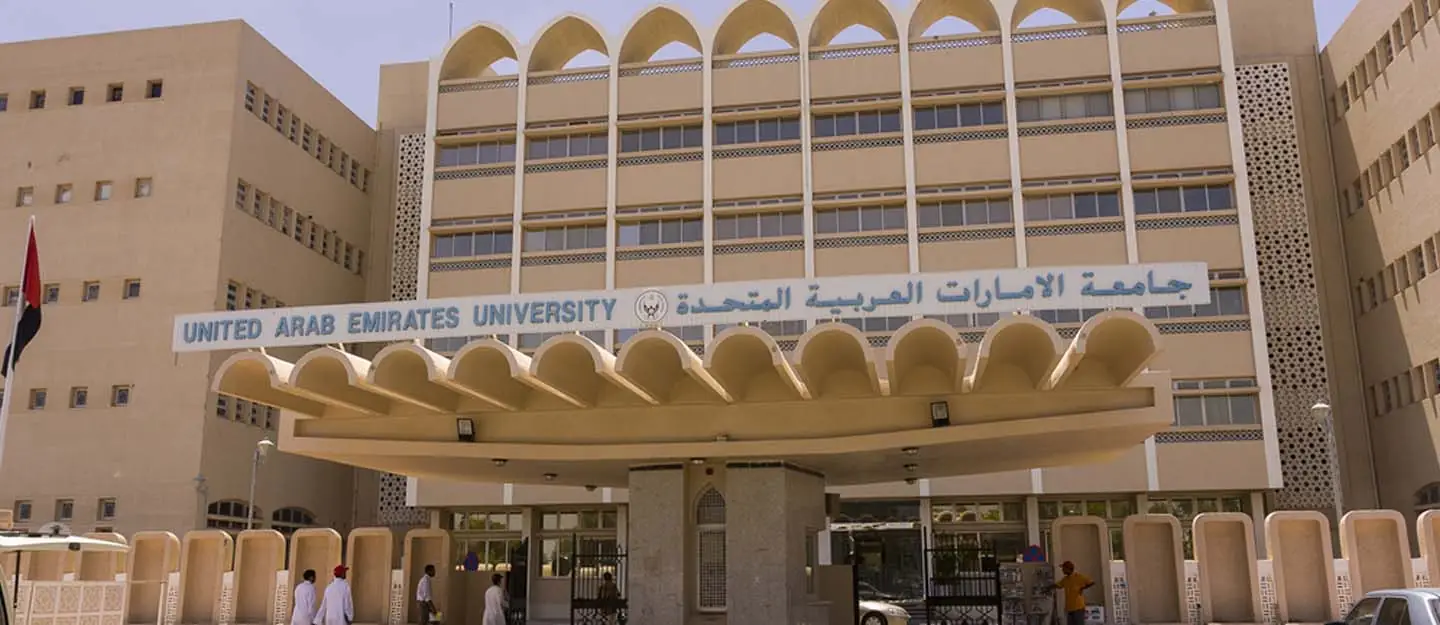
For students considering overseas education, safety is never a side concern, it sits right at the center of every decision. If you’re thinking about studying in the UAE, understanding how safe daily student life really is can help you plan your academics with confidence rather than anxiety. Why Safety Matters So Much for Students in the UAE Moving to a new country means adapting to unfamiliar systems, expectations, and routines. International students in UAE often balance intense academic workloads with cultural adjustment, making personal safety, campus security, and emotional wellbeing especially important. Universities in Dubai, Abu Dhabi, Sharjah, Ajman, and other Emirates host students from all over the world. This diversity increases opportunity, but it also raises practical questions about living, commuting, studying late hours, and managing academic stress safely. International students benefit from understanding evening programs schedules to balance study, work, and personal commitments safely. Understanding Student Safety in UAE: The Bigger Picture When people discuss student safety in UAE, they’re usually referring to several interconnected factors rather than just crime statistics. Safety Beyond Crime Rates Student safety includes: Personal security on and off campus Legal protection for residents Campus conduct policies Cultural norms and mutual respect Mental wellbeing under academic pressure The UAE places strong emphasis on law, order, and public behavior, which significantly shapes the student experience. Campus Security at UAE Universities Most universities in the UAE invest heavily in on-campus safety infrastructure. Controlled Campus Environments Universities typically feature: Security staff stationed at entrances Visitor registration systems ID-based access to facilities CCTV coverage in academic and residential areas These measures help ensure that campuses remain controlled, predictable spaces for learning. Student Accommodation Safety On-campus housing and university-approved residences follow strict rules related to: Visitor hours Gender-segregated facilities in some cases Quiet hours and conduct standards This structured environment offers reassurance, especially for first-year international students. Public Safety and Daily Student Life One of the most noticeable aspects of living in the UAE is how orderly public spaces feel. Transport and Commuting Students regularly commute using: Dubai Metro and trams Public buses in Abu Dhabi and Sharjah Ride-hailing apps These systems are monitored, regulated, and generally considered safe for daily student use, even during late evenings. Walking and Public Spaces Many students report feeling comfortable walking in populated areas, shopping districts, and near campuses. Public behavior laws are clearly enforced, contributing to a sense of predictability. Some students may later realize who should not study in UAE if they’re unprepared for cultural or academic pressures. Legal Framework and Its Impact on Students Safety in the UAE is closely tied to its legal environment. Clear Laws, Clear Boundaries The UAE has strict laws related to: Public conduct Substance use Online behavior Academic integrity For students, this clarity reduces ambiguity. Knowing the rules, and respecting them, plays a major role in maintaining personal safety. Protection for Residents International students are legally protected residents. Universities often provide orientation sessions explaining local laws to help students avoid unintentional issues. Cultural Safety and Respect on Campus Cultural sensitivity is central to student wellbeing. Multicultural Academic Environments UAE universities host students from diverse backgrounds. Respect for different cultures, languages, and beliefs is actively promoted through: Student codes of conduct Faculty training Orientation programs This environment reduces social friction and supports inclusive learning. Classroom Interaction Students are encouraged to express ideas respectfully. Academic debates are welcomed, provided they follow professional and cultural norms. Safety for Female International Students Many international students ask specific questions about gender-related safety. Structured Support Systems Female students benefit from: Secure accommodation options University counseling services Clear harassment policies Universities take complaints seriously and maintain formal reporting channels. Everyday Experience In academic and public spaces, respectful interaction is the norm. Dress codes are generally flexible on campus, though modesty guidelines apply in certain settings. Academic Pressure and Emotional Safety Safety isn’t only physical, it’s also academic and emotional. Intense Academic Expectations Universities in UAE often follow British, American, or Australian standards, which means: Frequent assessments Heavy reading loads Strict grading rubrics For many students, this pressure can affect mental wellbeing. Support Services Most universities provide: Academic advising Counseling services Study skills workshops These resources help students manage stress before it becomes overwhelming. Language Barriers and Academic Confidence Language challenges can indirectly affect safety and wellbeing. Academic English Expectations Even students who meet admission language requirements may struggle with: Essay structuring Academic tone Referencing systems This can lead to anxiety, missed deadlines, or academic warnings. Seeking Early Support Addressing language gaps early, through writing support or skill-building, reduces long-term academic stress. Being aware of options for changing your major after admission helps reduce stress when initial course choices feel overwhelming. Plagiarism Rules and Academic Safety Academic safety also means protecting your academic record. Zero-Tolerance Policies Universities in UAE enforce strict plagiarism policies. Unintentional mistakes can still result in penalties. Common Student Risks Under pressure, students may: Cite incorrectly Overuse sources Misunderstand paraphrasing rules Understanding expectations is critical to avoiding disciplinary issues. Safety During Exams and Assessments Assessment periods often raise student anxiety. Exam Security Exams are tightly monitored, with: ID verification Invigilators Clear exam conduct rules This protects honest students and maintains academic fairness. Assignment Submissions Digital submission systems track deadlines and originality. Missing deadlines or uploading incorrect files can have serious consequences. How Safety Differs Across Emirates While overall safety standards are high, student experiences may vary slightly by location. Dubai Fast-paced student life, heavy academic competition, and high expectations. Campuses are well-secured but schedules can feel intense. Abu Dhabi Structured academic environments with strong student support systems and calmer campus settings. Sharjah and Ajman Often more traditional academic cultures with strong focus on discipline and classroom engagement. Regardless of location, safety frameworks remain consistent across Emirates. International Students and Social Safety Building friendships and networks is part of student wellbeing. Student Societies Universities host clubs and societies that help international students connect in structured, supervised environments. Events and Gatherings Campus events follow formal guidelines, ensuring safe and respectful participation. The … Read more

Translate »