
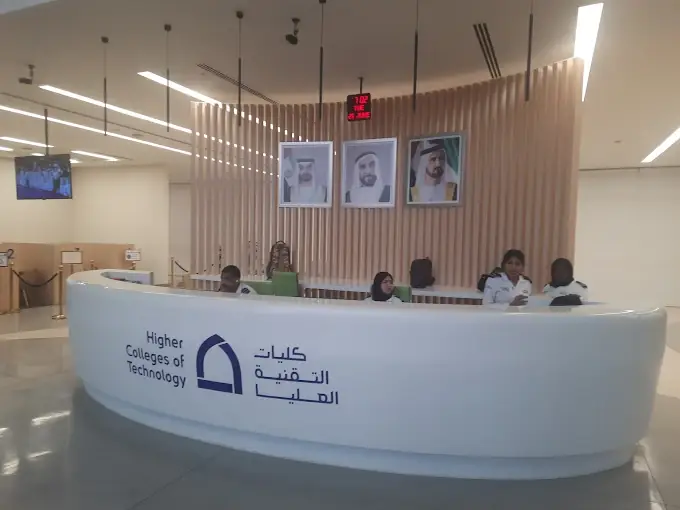
Higher Colleges of Technology (HCT) is one of the largest applied higher education institutions in the United Arab Emirates, widely recognized for its strong focus on practical learning, workforce readiness, and alignment with national development goals. With the launch and expansion of new campuses across the UAE, HCT continues to modernize its learning environments and academic delivery to meet evolving industry needs.
This guide provides a complete and detailed overview of the Higher Colleges of Technology new campus, covering academic programs, admissions, accreditation, facilities, tuition structure, and career outcomes. It also explains what students can expect from the new campus model and how it differs from traditional university environments.
The article is designed for UAE national students, international students (where applicable), parents, and education consultants seeking reliable, fact-based information about studying at HCT.
Overview of the University
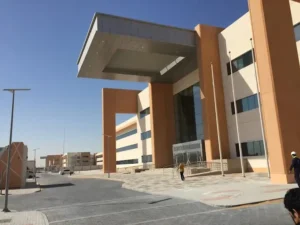
Background and Establishment
Higher Colleges of Technology was established in 1988 as a federal institution under the UAE government. Its primary objective was to provide high-quality applied education that directly supports the country’s economic and workforce development.
Over the years, HCT has grown into a multi-campus institution serving tens of thousands of students across the UAE, making it one of the most influential public higher education systems in the region.
Vision, Mission, and Academic Philosophy
HCT’s vision focuses on empowering students with future-ready skills, applied knowledge, and professional competencies. The institution’s mission emphasizes innovation, employability, and industry relevance.
The academic philosophy is centered on:
- Applied and experiential learning
- Competency-based education
- Strong industry integration
- Continuous curriculum modernization
Rather than traditional theory-heavy education, HCT prioritizes hands-on training and real-world problem-solving.
Reputation Within the UAE and Internationally
Within the UAE, HCT is highly regarded as a practical, employment-focused institution closely aligned with government and industry needs. Internationally, it is recognized for its applied education model and large-scale contribution to national workforce development.
Graduates are commonly employed across public, semi-government, and private sector organizations.
Campus Overview
Campus Location
The Higher Colleges of Technology new campus concept has been implemented across multiple emirates, including Abu Dhabi, Dubai, Sharjah, Ras Al Khaimah, Fujairah, and Al Ain. These new or upgraded campuses are designed to replace or modernize older facilities and consolidate programs into advanced learning hubs.
Each campus location is strategically selected to serve regional student populations and maintain accessibility.
Why the Campus Was Established
The new campus initiative was established to:
- Modernize learning infrastructure
- Support advanced applied education
- Integrate smart technology into teaching
- Align facilities with future workforce demands
This shift reflects the UAE’s broader strategy for innovation-driven education and digital transformation.
Campus Environment and Learning Atmosphere
The learning environment at the new HCT campuses is modern, structured, and professionally oriented. Campuses emphasize collaboration, project-based learning, and technology-enabled instruction.
Students experience an atmosphere similar to professional workplaces, preparing them for real industry environments.
Accreditation & Recognition
Regulatory Bodies
Higher Colleges of Technology is fully accredited by the UAE Ministry of Education (MOE). As a federal institution, it operates under national higher education regulations and quality assurance frameworks.
Local and International Degree Recognition
HCT degrees are fully recognized across the UAE for employment and further education. International recognition is generally strong, particularly for applied bachelor degrees, though recognition abroad depends on the specific country and institution.
Suitability for Employment
HCT qualifications are widely accepted for:
- Government and semi-government roles
- Private sector employment
- Technical and professional positions
- Career advancement within applied fields
The applied nature of HCT programs is especially valued by employers.
Colleges & Academic Programs Offered

College of Engineering and Technology
This college focuses on technical and engineering disciplines aligned with industry needs.
Major undergraduate programs include:
- Electrical Engineering Technology
- Mechanical Engineering Technology
- Computer Engineering Technology
- Network Engineering
Programs emphasize lab work, projects, and industry tools.
College of Business
The College of Business prepares students for operational and management roles.
Major undergraduate programs include:
- Accounting
- Human Resource Management
- Marketing
- Business Administration
Postgraduate programs may include applied business or leadership degrees depending on campus offerings.
College of Computer Information Science
This college focuses on digital and technology-driven fields.
Programs include:
- Information Technology
- Cybersecurity
- Data Analytics
- Software Development
Courses are aligned with current and emerging technology trends.
College of Health Sciences
The College of Health Sciences prepares students for healthcare support roles.
Programs include:
- Nursing
- Medical Laboratory Sciences
- Pharmacy Technology
Training includes simulation labs and clinical exposure.
College of Education and General Studies
This college provides foundational and education related programs.
Programs include:
- Applied Education
- Early Childhood Studies
- General Studies pathways
The focus is on applied teaching and learning support roles.
Admission Requirements
Undergraduate Admission Requirements
Applicants typically require:
- UAE secondary school certificate or equivalent
- Compliance with MOE admission standards
- Meeting program-specific academic criteria
Some programs may have additional assessments or prerequisites.
Postgraduate Admission Requirements
For postgraduate programs, applicants usually need:
- A recognized bachelor’s degree
- Minimum GPA as defined by the program
- Relevant academic or professional background
Availability of postgraduate programs may vary by campus.
English Language Requirements
As instruction is primarily in English, students may need:
- IELTS, TOEFL, or equivalent qualification
- Placement tests or foundation support where applicable
Language support programs may be available for eligible students.
Transfer Students
Transfer students are considered based on:
- Accreditation of previous institution
- Course equivalency
- Academic performance
Credit transfer is evaluated on a case-by-case basis.
Tuition Fees & Scholarships
Fee Structure Overview
As a federal institution, tuition fees at Higher Colleges of Technology are structured based on:
- Student nationality
- Program level
- Mode of study
For UAE national students, tuition is generally funded or significantly subsidized by the government.
For non-national students, where admission is available, tuition is charged based on credit hours or program structure and remains competitive compared to private institutions.
Additional Academic or Administrative Fees
Students may need to budget for:
- Application and registration fees
- Laboratory or equipment usage fees
- Learning materials and textbooks
- Student activity or service fees
Living and transportation costs are separate from tuition.
Scholarships, Grants, and Discounts
HCT may offer:
- Merit-based academic incentives
- Performance-based recognition
- Limited financial assistance depending on eligibility
Scholarship availability varies by academic year and program.
Campus Facilities & Student Life
Academic Facilities
New HCT campuses feature:
- Smart classrooms
- Advanced laboratories and workshops
- Digital libraries and learning platforms
- Simulation and innovation spaces
Facilities are designed to support applied education.
Student Services and Academic Support
Students have access to:
- Academic advising
- Career counseling
- Learning support services
- Health and wellness resources
Support services are integrated into campus life.
Clubs, Events, and Campus Engagement
Student engagement includes:
- Professional and technical clubs
- Cultural and social activities
- Innovation challenges and competitions
- Community and volunteer initiatives
These activities support holistic development.
Faculty & Teaching Approach
Faculty Qualifications and Experience
Faculty members typically hold advanced degrees and possess significant industry and applied teaching experience. Many instructors have worked directly in the fields they teach.
Teaching Methodology
HCT uses:
- Applied and experiential learning
- Project-based assessments
- Industry case studies
- Continuous skills evaluation
Learning outcomes focus on employability.
Industry-Aligned Curriculum
Curricula are developed in consultation with:
- Industry partners
- Government stakeholders
- Sector specialists
This ensures relevance and workforce alignment.
Career Opportunities & Industry Connections
Internships and Placements
Many programs include:
- Work-integrated learning
- Internships or cooperative education
- Industry-based projects
These experiences help students transition to employment.
Career Services
Career support includes:
- Job readiness training
- CV and interview workshops
- Employer networking events
- Career fairs
Industry Partnerships
HCT collaborates with:
- Government entities
- National and multinational companies
- Industrial and technology partners
These partnerships enhance graduate employment prospects.
Why Choose This University?
Key Advantages
- Federal, MOE-accredited institution
- Strong focus on applied education
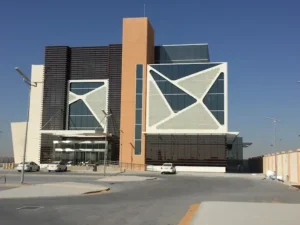
- Modern new campus facilities
- High employability outcomes
- Alignment with UAE national goals
Ideal Student Profiles
- Students seeking practical, career-focused education
- UAE nationals preparing for workforce entry
- Learners interested in technology, business, or health fields
- Students who prefer applied learning over theory-heavy study
Pros & Cons
Pros
- Fully accredited by UAE Ministry of Education
- Strong industry alignment
- Modern campuses and facilities
- High graduate employability
Cons
- Limited academic theory depth compared to research universities
- Fewer postgraduate options than traditional universities
- Program availability may vary by campus
Frequently Asked Questions (FAQs)
Is Higher Colleges of Technology accredited?
Yes, HCT is fully accredited by the UAE Ministry of Education.
Are degrees internationally recognized?
Degrees are widely recognized, though international recognition depends on country-specific regulations.
Can international students apply?
Admission is primarily focused on UAE nationals, with limited options for non-nationals depending on programs and policies.
Is accommodation available?
Accommodation options vary by campus, and many students choose off-campus housing.
Conclusion
The Higher Colleges of Technology new campus initiative represents a major step forward in applied higher education in the UAE. With modern facilities, industry-aligned programs, and strong government support, HCT continues to play a vital role in preparing students for the workforce.
Students considering HCT should review program availability, admission criteria, and campus locations carefully. To take the next step, prospective students are encouraged to apply through official channels, visit the campus, or request detailed program information to determine if HCT aligns with their academic and career goals.