homeworkandassignmenthelper.com

Hidden University Costs in UAE Students Should Know

Hidden University Costs in UAE Students Should Know

Studying in the UAE is an exciting opportunity, but tuition fees are only part of the real financial picture. Many students and families are surprised to discover extra expenses that appear after admission, often stretching budgets unexpectedly. Semester registration fees and course enrollment charges are usually mandatory and separate from advertised tuition. For more about academic progression, see GPA requirements UAE universities. Understanding these hidden university costs in UAE institutions early can help you plan smarter, avoid stress, and make confident decisions before you enroll. Why Looking Beyond Tuition Fees Is Essential University brochures usually highlight tuition, scholarships, and program rankings. What they don’t always explain clearly is the total cost of studying over an academic year. In cities like Dubai, Abu Dhabi, and Sharjah, even small overlooked charges can add up quickly. Being informed upfront protects you from last-minute financial pressure and ensures your study experience remains focused on learning, not constant budgeting worries. Registration and Admission-Related Costs Before classes even begin, several one-time or recurring fees may apply. Application and Processing Fees Most UAE universities charge: Non-refundable application fees Admission processing fees These fees are separate from tuition and are payable whether or not you ultimately enroll. Registration and Enrollment Charges Once admitted, students often pay: Semester registration fees Course enrollment charges These are usually mandatory and not included in advertised tuition figures. Student Visa and Immigration Expenses International students form a large part of UAE campuses, and visa-related costs are a major hidden expense. Visa Issuance and Renewal Fees Universities typically charge for: Student visa processing Emirates ID registration Medical fitness tests Visa costs are often renewed annually, not just once. If you change universities or defer studies, additional visa cancellation or transfer fees may apply. For international student guidance, check admission without IELTS. Visa Cancellation and Transfer Charges If you: Change universities Defer your studies Withdraw early you may be charged visa cancellation or transfer fees that are rarely discussed upfront. Books, Learning Materials, and Digital Access Academic resources are another underestimated cost. Textbooks and Course Packs While some universities provide digital access, many programs still require: Imported textbooks Specialized course materials Lab manuals These can cost hundreds of dirhams per semester. Software and Online Platforms Programs in: Engineering Design Business analytics may require paid software licenses or access to proprietary learning platforms. Technology and Equipment Costs Modern UAE universities rely heavily on technology, which shifts costs to students. Laptop and Device Requirements Some courses specify minimum hardware standards: High-performance laptops Tablets for digital assessments Graphic tools or calculators Upgrading devices can become a significant unplanned expense. Printing and Campus Technology Fees Even with digital systems, students may still pay for: Printing credits ID card replacements Library technology access These small charges accumulate over time. University dorms and off-campus apartments require students to budget for utilities, internet, deposits, and setup costs. For insights, see University of Sharjah fees. Housing and Accommodation-Related Expenses Accommodation is often the largest cost after tuition. On-Campus Housing Fees University dorms may charge separately for: Utilities Internet Laundry services The base housing fee rarely includes all living costs. Off-Campus Living Expenses Students living near areas like: Dubai International Academic City University City Sharjah must budget for: Security deposits Agent commissions Furniture and setup costs These upfront expenses can surprise first-time renters. Transportation Costs Students Often Forget Even with good infrastructure, commuting isn’t free. Daily Travel Expenses Costs may include: Metro or bus passes Fuel and parking fees Ride-hailing services for late classes Students with internships face additional commuting costs. University Shuttle Fees Some universities charge optional but essential shuttle fees, especially for students living off-campus. Health Insurance and Medical Costs Health coverage is mandatory for UAE residents, including students. University Health Insurance Plans Many universities: Require enrollment in approved insurance plans Charge annual premiums Coverage may be basic, with additional costs for specialist visits. Out-of-Pocket Medical Expenses Even with insurance, students may pay for: Dental care Prescriptions Emergency services These costs are rarely factored into study budgets. Examination, Graduation, and Academic Service Fees Academic progress itself can come with extra charges. Exam Resits and Assessment Fees If a student: Misses an exam Needs to retake an assessment additional fees may apply. Graduation and Certification Costs Near the end of your degree, expect charges for: Graduation registration Gown rental Degree attestation and transcripts These costs often arrive when students least expect them. Activity, Facility, and Campus Life Fees Campus life isn’t always included in tuition. Student Activity Fees Universities may charge mandatory fees for: Clubs and societies Sports facilities Campus events Even students who don’t participate often must pay. Gym and Facility Access Access to: Fitness centers Swimming pools Specialized labs may require separate membership or usage fees. Late Payment Penalties and Financial Holds Missing a deadline can be costly. Late Fee Charges Universities may impose: Daily late payment penalties Re-registration fees These can escalate quickly if not addressed early. Academic Access Restrictions Unpaid balances may result in: Blocked exam access Withheld transcripts Delayed graduation Financial planning directly impacts academic progress. Why Hidden Costs Are Common in UAE Universities The UAE’s education sector operates under strict regulatory frameworks while serving a highly international population. Universities in Dubai, Abu Dhabi, and Sharjah bundle services differently, which is why costs appear fragmented. Competitive markets encourage flexible tuition plans, but operational costs are often distributed across smaller fees rather than one transparent total. For more insights into planning your UAE studies, see list of universities in Dubai. How to Budget Smartly for Hidden University Costs Planning ahead makes a major difference. Ask for a Full Fee Breakdown Before accepting an offer, request: A written list of all academic and non-academic fees Annual estimates, not just semester costs Compare Universities Beyond Tuition A lower tuition university may have: Higher housing fees More add-on charges Total cost comparison is key. Build an Emergency Buffer Unexpected costs are easier to manage when you: Set aside contingency funds Track expenses monthly FAQs Q1. Are hidden costs the same for … Read more

Tuition Fee Payment Plans in UAE Universities

Tuition Fee Payment Plans in UAE Universities

Paying university tuition upfront can feel overwhelming, especially when you’re planning to study in a global education hub like the UAE. To make higher education more accessible, many institutions now offer flexible options, allowing students to manage costs without sacrificing academic goals. To make higher education more accessible, many institutions now offer flexible options, allowing students to manage costs without sacrificing academic goals. For a broader view of universities in the UAE, check our list of universities in Dubai. This guide explains how tuition fee payment plans work, who qualifies, and how to choose the right option with confidence. Why Payment Flexibility Matters in UAE Higher Education The UAE attracts students from across Asia, Africa, Europe, and the Middle East. With this diversity comes varied financial realities. Universities understand that not every family can pay a full year’s tuition in one installment, which is why installment fees UAE universities have become a standard offering rather than an exception. Flexible payment structures allow students to focus on learning instead of constant financial stress, while parents gain better control over budgeting across the academic year. How Tuition Fee Payment Plans Work in UAE Universities Most universities in Dubai, Abu Dhabi, Sharjah, and Ajman follow structured payment schedules that spread tuition over several months. Common Payment Structures Universities typically offer: Two-installment plans (per semester) Three-installment plans (start, mid, and end of semester) Monthly installment options for selected programs The exact structure depends on the institution, program level, and accreditation body. What Fees Are Usually Covered Installment plans generally apply to: Tuition fees Lab or academic fees However, some costs may still require upfront payment: Registration fees Student activity fees Visa processing charges Understanding this distinction early helps avoid surprises. Learning about affordable universities in the UAE can also help in planning your budget effectively. Which Universities Offer Installment Fee Options? Most private universities in the UAE actively promote flexible payment plans to support international and working students. Dubai Universities Institutions located near: Dubai International Academic City Knowledge Park Dubai Silicon Oasis often offer installment-based tuition because they serve a large population of international and part-time learners. Abu Dhabi and Sharjah Universities Universities in Abu Dhabi and Sharjah may: Require semester-based installments Offer special approval for extended plans Provide employer-sponsored payment flexibility While slightly more formal, options still exist for eligible students. Undergraduate Tuition Payment Plans Explained For bachelor’s degree students, installment plans are usually straightforward. Typical Undergraduate Structure First installment before semester start Second installment mid-semester Third installment before final exams (if applicable) Students must remain compliant with payment deadlines to access exams and results. Postgraduate and MBA Installment Options Postgraduate students often benefit from greater flexibility, especially working professionals. Why Postgraduate Plans Are More Flexible Many students are employed in the UAE Universities align payments with salary cycles Employer reimbursement models are common MBA and executive programs often allow monthly or customized installment schedules. Are Installment Plans Available for International Students? Yes, international students frequently use installment plans, but there are conditions. Common Requirements Valid student visa Signed fee agreement Postdated cheques or bank authorization (varies by university) Some universities may limit the number of installments for first-year international students. Payment Methods Accepted by UAE Universities Universities offer multiple payment channels for convenience. Popular Payment Methods Bank transfer (local or international) Debit or credit card Online payment portals Cheques (less common now) Digital payment systems are increasingly favored, especially in Dubai-based institutions. Hidden Details Students Should Always Check Not all installment plans are equal. Reading the fine print is essential. Late Payment Penalties Missing a deadline can result in: Late fees Exam access restrictions Registration holds Refund and Withdrawal Policies If a student withdraws mid-semester: Refunds are often prorated Administrative fees may be deducted Clarifying this before enrollment protects your finances. Understanding this distinction early helps avoid surprises, similar to knowing a university’s dropout policies. Why UAE Universities Lead in Payment Flexibility The UAE’s education system is closely regulated yet market-responsive. Authorities like KHDA (Dubai) and ADEK (Abu Dhabi) encourage transparency, while competitive campuses in areas such as University City Sharjah push institutions to offer student-friendly financial models. This balance of regulation and competition makes installment fees common across the country. How to Choose the Right Payment Plan Selecting a payment plan isn’t just about convenience, it’s about sustainability. Match the Plan to Your Cash Flow Monthly or multi-installment plans suit: Salaried professionals Families managing multiple expenses Ask About Flexibility in Emergencies Some universities allow: Temporary extensions Rescheduled payments with approval Knowing this in advance adds peace of mind. Role of Scholarships and Installments Together Scholarships and installment plans can often be combined. How This Works Scholarship reduces total tuition Remaining balance is split into installments This approach significantly lowers financial pressure per payment cycle. Common Myths About Installment Fees in UAE Universities Myth 1: Installments Mean Higher Total Cost False. Most plans are interest-free. Myth 2: Only Expensive Universities Offer Installments False. Universities across all fee ranges provide options. Myth 3: Installments Affect Degree Recognition False. Payment method has no impact on academic value. You can explore Emirates Aviation University fees to see how payment flexibility varies by institution. FAQs Q1. Are installment plans guaranteed for all students? A. They are common but subject to eligibility and program type. Q2. Do public universities offer installment options? A. Some do, but private universities are generally more flexible. Q3. Can I change my payment plan after enrollment? A. In some cases, yes, with formal approval. Q4. What happens if I miss a payment? A. Penalties may apply, and academic access could be restricted. Planning Ahead: Tips for Stress-Free Payments Confirm payment dates before registration Set reminders for installment deadlines Keep digital receipts for every transaction Communicate early if issues arise Proactive planning prevents last-minute problems. Final Thoughts Flexible installment fees UAE universities offer have transformed higher education access for students and families alike. With the right plan, quality education in the UAE becomes financially manageable without compromising stability. Limited seats and payment … Read more

Admission Without IELTS in UAE Universities

Admission Without IELTS in UAE Universities

For many students, the dream to study abroad pauses at one hurdle, the IELTS exam. The good news is that today, it is entirely possible to study in UAE without IELTS, depending on your background, qualifications, and the university you choose. The UAE has become one of the most flexible study destinations, especially for international students who want quality education without unnecessary barriers. Working professionals applying for postgraduate degrees can also leverage best courses UAE to identify programs with flexible language requirements. This guide explains how admission without IELTS works, which alternatives are accepted, and how to plan your application smartly. Why UAE Universities Offer Admission Without IELTS The UAE’s higher education system is built around diversity. Universities in Dubai, Abu Dhabi, Sharjah, and other emirates host students from over 200 nationalities, many of whom come from English-medium academic backgrounds. Instead of relying on a single test, UAE universities assess overall academic readiness and language exposure, which allows them to waive IELTS in many cases. Who Can Study in UAE Without IELTS? Not every applicant automatically qualifies for an IELTS waiver, but many students do, often without realizing it. Students From English-Medium Backgrounds If you completed your: High school education in English Bachelor’s degree taught fully in English You may qualify for direct admission without IELTS, subject to documentation. Students From Recognized Education Boards Certain international boards and curricula are widely accepted: British curriculum (IGCSE / A-Levels) IB (International Baccalaureate) American curriculum CBSE / ICSE with English instruction Universities often consider these sufficient proof of English proficiency. Transfer Students and Mature Applicants Students transferring credits or professionals applying for postgraduate programs may receive IELTS exemptions based on: Prior academic records Work experience in English-speaking environment Internal assessments Universities in UAE Known for IELTS Flexibility Many private universities in the UAE are particularly flexible, especially for international students. Dubai-Based Universities Dubai universities often offer: Admission without IELTS for English-medium students Internal English placement tests Conditional admission with language support Dubai’s education hubs like Academic City and Knowledge Park host institutions with globally aligned policies. Abu Dhabi and Sharjah Institutions Universities in Abu Dhabi and Sharjah may: Require internal English assessments Accept medium-of-instruction certificates Offer foundation programs if needed While slightly more structured, they still provide multiple pathways. Alternative Ways to Prove English Proficiency If IELTS is not submitted, universities may use other methods to assess language ability. Medium of Instruction (MOI) Letter An MOI letter from your previous institution confirming that your education was conducted in English is one of the most accepted alternatives. Internal English Placement Tests Many universities conduct: Online English tests On-campus assessments Interview-based evaluations These tests focus on practical academic English rather than test-taking strategies. For international students, reviewing online universities UAE is helpful, as many offer English assessments in place of IELTS. Foundation or Pathway Programs If your English level is close but not sufficient, universities may recommend: Foundation year programs Academic English courses alongside your degree This ensures you’re fully prepared without delaying your studies. Study in UAE Without IELTS: Undergraduate Admissions For bachelor’s programs, universities focus on: High school grades Subject relevance English exposure Students who studied science, business, or humanities in English often receive direct offers without IELTS. Postgraduate Admission Without IELTS in UAE For master’s and MBA applicants, universities look beyond test scores. Key Factors Considered Bachelor’s degree language GPA and academic strength Professional experience Interview performance Working professionals in Dubai or Abu Dhabi frequently secure admission without IELTS through these criteria. Is Admission Without IELTS Fully Legal and Recognized? Yes. Admission without IELTS is official, regulated, and valid, as long as the university is licensed by: UAE Ministry of Education Knowledge and Human Development Authority (KHDA) Abu Dhabi Department of Education and Knowledge (ADEK) Degrees earned through such admissions hold the same academic value. Finally, for those balancing cost and flexibility, affordable universities UAE lists institutions that provide IELTS waivers without adding financial pressure. Common Myths About Studying Without IELTS in UAE Myth 1: Degrees Without IELTS Are Not Recognized False. Recognition depends on the university, not IELTS. Myth 2: Only Low-Ranking Universities Allow It False. Many well-established institutions offer IELTS alternatives. Myth 3: Visa Is Not Possible Without IELTS False. Student visas depend on admission status, not IELTS. Why UAE Is a Global Hub for Flexible Admissions The UAE’s position as a regional education hub means universities actively adapt to international student needs. With landmarks like Dubai International Academic City and Sharjah University City, institutions compete globally, offering flexibility without compromising standards. This approach makes the UAE particularly attractive for students from South Asia, Africa, and the Middle East. Documents Required for Admission Without IELTS To strengthen your application, prepare: Academic transcripts Medium of instruction letter Passport copy Statement of purpose CV (for postgraduate applicants) Well-prepared documentation speeds up approvals. What Happens If the University Later Requires English Proof? Some universities may: Offer conditional admission Require English courses during study Conduct reassessments after enrollment This is supportive, not restrictive. Students transferring from other institutions should consult the transfer students guide to ensure language documentation meets university standards. How to Improve Your Chances of IELTS-Free Admission Apply Early Early applicants get more flexibility. Choose the Right University Not all institutions have the same policies. Be Honest About Language Ability Universities value transparency and may suggest suitable pathways. FAQs Q1. Is IELTS completely waived or optional? A. It is waived for eligible students; others may need alternatives. Q2. Can international students apply without IELTS? A. Yes, international students frequently receive IELTS exemptions. Q3. Is an internal test easier than IELTS? A. It focuses more on academic readiness than exam technique. Q4. Does this apply to all courses? A. Most programs allow it, but medicine-related fields may have stricter rules. Final Thoughts The option to study in UAE without IELTS has opened doors for thousands of students who are academically strong but test-averse. With the right guidance, documentation, and university choice, you can begin your UAE education journey without unnecessary delays. Seats … Read more

Conditional Offers in UAE Universities Explained

Conditional Offers in UAE Universities Explained

If you’ve applied to a university in the UAE and received a conditional offer, you’re not alone. Thousands of students, local and international, enter UAE universities each year through conditional admissions, especially when results, documents, or requirements are still pending. Understanding credit hour system UAE requirements ensures you meet course load expectations while fulfilling conditions. Understanding how conditional offer UAE universities policies work can help you move forward confidently instead of feeling stuck or uncertain. What Is a Conditional Offer in UAE Universities? A conditional offer is a provisional admission letter issued by a university when you meet most, but not all, entry requirements at the time of application. In simple terms, the university is saying: “We want to offer you a place, provided you meet specific conditions by a given deadline.” Once those conditions are fulfilled, the offer becomes unconditional. Why UAE Universities Issue Conditional Offers Universities in the UAE aim to balance flexibility with academic standards. Conditional offers allow institutions to secure strong candidates while ensuring all criteria are eventually met. Common Reasons for Conditional Offers Final exam results not yet released English proficiency test pending Missing academic transcripts or certificates Conditional GPA thresholds Pending attestation or equivalency documents This system benefits both students and universities by avoiding unnecessary delays. Is a Conditional Offer a Guaranteed Admission? A conditional offer is not yet a full admission, but it is a strong signal of acceptance. What It Means Practically Your seat is usually reserved temporarily You can proceed with next steps (documents, visa prep) Final admission depends on meeting conditions on time Failing to meet the conditions can result in the offer being withdrawn. Conditional Offer UAE Universities: Undergraduate vs Postgraduate Undergraduate Conditional Offers For bachelor’s programs, conditions often relate to: Final high school grades Subject-specific marks (math, science) IELTS or equivalent English test Foundation or pathway programs may be suggested if requirements are not fully met. Postgraduate Conditional Offers For master’s or MBA programs, conditions may include: Final degree transcripts Minimum GPA confirmation Work experience verification English proficiency Many working professionals in Dubai or Abu Dhabi receive conditional offers while completing documentation. Typical Conditions Attached to UAE University Offers Academic Conditions Achieving a minimum final GPA Passing specific subjects Completing prerequisite coursework These are non-negotiable and strictly reviewed. English Language Conditions Most UAE universities require proof of English proficiency, such as: IELTS TOEFL Internal placement tests Conditional offers are common when test results are scheduled but not yet available. International students should note visa rules; some may benefit from online universities UAE programs with flexible submission deadlines, easing conditional requirements. Documentation Conditions These may include: Attested certificates Ministry of Education equivalency Passport copies Final transcripts Deadlines are usually clearly stated. How Long Do You Have to Meet the Conditions? Deadlines vary by university and intake but typically range from: 2 to 8 weeks Before semester start Before visa issuance Missing the deadline without communication can risk losing the offer. Can You Accept a Conditional Offer? Yes, most universities allow you to formally accept a conditional offer. What Acceptance Usually Involves Signing the offer letter Paying a registration or seat reservation fee Submitting pending documents progressively Acceptance shows intent but does not override unmet conditions. Conditional Offers and Student Visas in the UAE Can You Apply for a Visa With a Conditional Offer? In many cases, yes, but with limits. Some universities begin visa processing once: Major conditions are met English test is completed Academic results are confirmed Final visa approval usually requires an unconditional offer. Conditional Offers Across UAE Emirates In Dubai, private universities commonly issue conditional offers early to international students. In Abu Dhabi, public institutions may be stricter but still offer conditional admission with clear academic benchmarks. In Sharjah and Northern Emirates, pathway and foundation programs are often linked to conditional offers. Local practices vary, but the overall approach remains student-friendly. Students planning transfers or multiple applications should see our transfer students guide for managing document deadlines across institutions. What Happens After You Meet the Conditions? Once all conditions are satisfied: The university reviews your documents A full (unconditional) offer letter is issued Enrollment and visa steps are finalized This process is usually quick if documents are complete. What If You Fail to Meet the Conditions? If conditions are not met: The offer may be withdrawn Alternative programs may be suggested Foundation or preparatory routes may be offered Open communication with admissions teams can sometimes lead to solutions. Conditional Offers vs Unconditional Offers Feature Conditional Offer Unconditional Offer Admission status Provisional Final Requirements pending Yes No Visa processing Partial Full Enrollment confirmed No Yes Understanding this difference helps avoid confusion during application stages. Common Myths About Conditional Offer UAE Universities Myth 1: Conditional Offers Are Weak Offers False. They indicate strong interest from the university. Myth 2: Conditional Offers Reduce Scholarship Chances False. Scholarships often depend on final results. Myth 3: Conditional Offers Mean Lower Academic Value False. Conditions ensure standards are met. Finally, for cost-conscious students navigating conditional offers, affordable universities UAE helps plan tuition and reservation fees without overspending. FAQs Q1. Are conditional offers legally valid? A. Yes, they are official university documents. Q2. Can international students accept conditional offers? A. Yes, many international students start with conditional admission. Q3. How long does it take to convert to unconditional? A. Often within days once documents are submitted. Q4. Do all UAE universities give conditional offers? A. Most do, especially private institutions. Q5. Can conditions be extended? A. Sometimes, if requested early and justified. How to Handle a Conditional Offer Smartly Act Quickly Submit pending documents as soon as possible. Communicate Clearly Keep admissions informed about timelines. Prepare Backup Options Apply to multiple institutions where possible. Final Thoughts A conditional offer is not a setback, it’s a structured pathway into UAE higher education. When handled correctly, conditional offer UAE universities policies can turn uncertainty into a confirmed admission. If intake deadlines are approaching, act now. Early action gives you time to meet conditions, secure … Read more

Age Limit for University Admission in UAE: The Guide

Age Limit for University Admission in UAE: The Complete Guide

Many students worry that their age might block their chances of studying in the UAE. Whether you are a fresh school graduate, a working professional returning to education, or an international student with a gap year, understanding age rules helps you plan with clarity and confidence. For students exploring flexible start options, our foundation programs UAE universities guide can help bridge eligibility gaps. This guide explains the age limit for university admission in UAE in a practical, up-to-date, and student-friendly way. Is There an Official Age Limit for University Admission in UAE? The short answer is no fixed universal age limit applies across all UAE universities. Instead, age requirements are shaped by a mix of factors, including program level, visa rules, academic background, and institutional policies. Most UAE universities focus more on academic eligibility and readiness than on age alone. However, certain age expectations do exist, especially for undergraduate admissions. Minimum Age Requirement for Undergraduate Programs   Typical Minimum Age Standard For bachelor’s degree programs, the commonly accepted minimum age is: 17 or 18 years old at the time of enrollment This aligns with the completion of secondary education or equivalent qualifications. Why a Minimum Age Exists Universities apply a minimum age mainly to ensure: Completion of high school or equivalent Academic maturity Student visa eligibility This is more of a procedural requirement than a strict barrier. Maximum Age Limit: Is There One? No Fixed Upper Age Limit One of the most student-friendly aspects of the UAE education system is that there is no official maximum age limit for university admission in UAE. Students in their: 20s 30s 40s and beyond are regularly accepted into both undergraduate and postgraduate programs. When Age May Be Reviewed More Closely While age alone is not a rejection factor, universities may look deeper if: There is a long study gap The applicant is significantly older for an undergraduate program Visa authorities request clarification In such cases, explanations and supporting documents matter. Age Requirements for Postgraduate Programs Master’s Degree Programs For master’s programs: No minimum age restriction beyond holding a recognized bachelor’s degree Mature students are common Work experience often strengthens applications Many universities actively encourage working professionals to apply. PhD and Doctoral Programs Doctoral programs focus on: Academic research capability Prior qualifications Research proposals Age is almost never a limiting factor at this level. For those considering career-focused programs, our best courses UAE guide outlines programs suitable for working professionals of all ages. How Study Gaps Affect Age Consideration Are Gap Years a Problem? No. UAE universities are generally flexible with gap years. However, applicants should be prepared to explain: Career breaks Work experience Personal or health reasons A clear explanation often turns a gap into a positive. Turning a Gap Into an Advantage Examples include: Professional certifications Industry experience Freelancing or entrepreneurship Volunteer or skill-based work These show growth rather than delay. Student Visa Rules and Age Considerations While universities may be flexible, student visa policies play a role. General Visa Expectations Undergraduate students are usually under 25–30 Older students may need stronger academic justification Postgraduate students face fewer age-related concerns Universities usually guide students through visa compliance. Age Limit Differences: Public vs Private Universities Public Universities Slightly stricter documentation More structured intake criteria Age gaps may be reviewed carefully Private Universities More flexible age policies Strong acceptance of mature students Popular among working professionals This makes private institutions a common choice for older applicants. Age Acceptance Across UAE Emirates In Dubai, universities frequently admit mature students, especially in business, IT, and management programs. In Abu Dhabi, academic readiness is emphasized, but age flexibility still exists. In Sharjah and Northern Emirates, foundation and pathway programs help students of varying ages qualify. Local institutional culture matters more than age itself. Age Limit for International Students in UAE International students are welcomed across age groups. Key considerations include: Recognized qualifications English proficiency Clear academic progression Age rarely becomes a concern if documentation is complete. Special Cases: Mature Students and Career Switchers Returning to Education After Years of Work Many UAE universities actively support: Career changers Executives pursuing degrees Parents returning to education Programs are designed with evening, weekend, or blended formats. For students planning to transfer or move between programs, check our transfer students guide for step-by-step guidance. Age and Professional Programs Programs such as: MBA Executive diplomas Professional certifications often prefer experienced, older candidates. Common Myths About Age Limit University UAE Myth 1: You’re Too Old to Start a Degree False. Many students begin degrees later in life. Myth 2: Gap Years Mean Rejection False. Gaps are accepted with explanations. Myth 3: Only Young Students Get Visas False. Visa approval depends on documentation, not just age. Finally, for those concerned about tuition while returning to education, affordable universities UAE helps you balance quality with cost-effectiveness regardless of age. FAQs: Age Limit for University Admission in UAE Q1. What is the minimum age for undergraduate admission? A. Typically 17 or 18 years old. Q2. Is there a maximum age limit for UAE universities? A. No official maximum age limit exists. Q3. Can I study in UAE at age 30 or above? A. Yes, many students do, especially in private universities. Q4. Does age affect scholarship eligibility? A. Sometimes, but academic merit matters more. Q5. Will age impact my student visa? A. Rarely, if documents and academic goals are clear. How to Improve Acceptance Chances If Age Is a Concern Provide a Strong Statement of Purpose Explain your journey clearly and honestly. Show Academic or Professional Progress Certifications, promotions, or skill upgrades help. Apply to the Right Institutions Some universities are more age-flexible than others. Final Thoughts The age limit for university admission in UAE is far more flexible than many students assume. With the right planning and documentation, age rarely stands in the way of higher education. If upcoming intakes are approaching and you’re unsure whether your age or gap could affect admission, act now. Early guidance can help you secure the right university … Read more

Minimum GPA Requirements for UAE Universities

Minimum GPA Requirements for UAE Universities

Applying to a university in the UAE can feel confusing, especially when GPA requirements differ by institution, program, and emirate. Knowing where you stand academically helps you apply smarter, avoid rejections, and plan alternatives early. To explore pathways for students who may not meet standard GPAs, check out our foundation programs UAE universities guide for bridging options. This guide explains minimum GPA requirements in UAE universities in a clear, practical way, so you can move forward with confidence. Understanding How GPA Is Evaluated in UAE Universities Before focusing on numbers, it’s important to understand how universities in the UAE interpret GPA. Unlike some countries that rely only on final grades, UAE institutions often look at the bigger picture. Universities consider: Curriculum type (British, American, IB, Indian, Pakistani, etc.) Subject relevance to the chosen program Grade consistency across years Board or examination authority A GPA is rarely viewed in isolation. Minimum GPA UAE Universities: The General Benchmark While exact requirements vary, most UAE universities follow a baseline GPA range for admissions. General Undergraduate GPA Range 2.0 – 2.5 GPA: Entry-level programs or foundation pathways 2.5 – 3.0 GPA: Most standard bachelor’s programs 3.0+ GPA: Competitive or high-demand programs Private universities tend to be more flexible, while public institutions maintain stricter criteria. GPA Requirements by Level of Study   Undergraduate Programs For bachelor’s degrees, the minimum GPA UAE universities typically expect depends on the stream. Arts, humanities, and general business: Often accept GPAs from 2.0+ IT, engineering, and science: Usually require 2.5+ Medicine, dentistry, pharmacy: Often 3.5+ with subject-specific grades Some universities offer foundation or pathway programs if your GPA falls slightly below the requirement. Postgraduate (Master’s) Programs Graduate admissions focus heavily on academic readiness. Typical GPA expectations: 2.5 GPA: Minimum threshold for many master’s programs 3.0 GPA: Preferred for competitive degrees 3.2 – 3.5 GPA: Required for top-ranked institutions Professional experience can sometimes compensate for a slightly lower GPA. GPA Requirements by Popular Fields of Study Business and Management Programs Business schools in Dubai and Abu Dhabi are relatively flexible. Minimum GPA often starts at 2.5 MBA programs may accept 2.75 with work experience Strong SOPs and interviews matter This makes business one of the most accessible fields academically. Engineering and Technology Engineering programs require academic consistency. Most universities expect 2.75 – 3.0 GPA Strong math and physics scores are critical Some institutions allow bridging courses Low GPA without subject strength often leads to rejection. Medicine and Health Sciences These are the most GPA-sensitive programs. Minimum GPA usually 3.5+ High grades in biology, chemistry, and physics Entrance exams and interviews are common Even a small GPA shortfall can impact eligibility. For detailed admission comparisons, see our universities in UAE for computer science & IT page, which highlights program requirements across tech-related fields. How Different Curricula Affect GPA Requirements British Curriculum (IGCSE / A-Levels) Universities convert grades into GPA equivalents. A-Level subject relevance often matters more than the numeric GPA. American Curriculum High school GPA is reviewed alongside: SAT or ACT scores Course difficulty Grade trends A GPA below 2.5 may still be considered with strong test scores. IB Diploma IB scores are evaluated holistically. Higher Level (HL) subjects matter Total IB points are often prioritized over GPA Strong IB performance can offset moderate GPA. Indian, Pakistani, and Other Boards Percentage-based systems are converted internally. 60–65% often aligns with a 2.5 GPA Subject marks carry strong weight Universities may request official equivalency. Public vs Private Universities: GPA Flexibility Public Universities Higher GPA thresholds Limited seats Competitive admissions Examples include federal or government-funded institutions. Private Universities More flexible GPA policies Pathway and foundation options Faster admission decisions Many international students prefer private universities for this reason. Can You Get Admission with a Low GPA? Yes, depending on strategy. Options for Low GPA Students Foundation year programs Diploma-to-degree pathways Conditional offers Work experience consideration A GPA below the minimum does not always mean rejection. How Universities Assess More Than Just GPA Admissions teams look at: Statement of Purpose Recommendation letters Interview performance Relevant experience A well-positioned application can balance a weaker GPA. GPA Requirements and Student Visa Approval UAE student visas generally follow university acceptance, but: Extremely low GPAs may raise questions Clear academic progression is important Age and gap years are also reviewed Universities guide students to ensure visa compliance. For students needing extra preparation, transfer students guide provides tips on moving between programs or institutions when GPA requirements differ. GPA Expectations by Emirate In Dubai, private universities show greater GPA flexibility, especially in business and IT. In Abu Dhabi, institutions often apply stricter academic filters. In Sharjah and Northern Emirates, pathway programs are commonly offered to students below GPA thresholds. Regional differences matter when choosing where to apply. GPA and Scholarships in UAE Universities Scholarships often require: Minimum 3.0 GPA Merit-based ranking Academic consistency Students meeting only the admission GPA may still qualify for partial tuition discounts. How to Improve Admission Chances with a Borderline GPA Strengthen Your SOP Explain academic challenges honestly and focus on growth. Highlight Relevant Experience Internships, certifications, and projects add weight. Apply Early Early applications face less competition. Scholarships often require minimum GPAs. For financial planning, see our private scholarships UAE guide to identify merit-based funding options. FAQs Q1. What is the lowest GPA accepted in UAE universities? A. Some private universities accept GPAs as low as 2.0 with conditions. Q2. Do UAE universities accept GPA below requirement? A. Yes, through pathways or foundation programs. Q3. Is GPA converted differently for international students? A. Yes, universities apply internal conversion methods. Q4. Does work experience help with low GPA? A. Yes, especially for postgraduate programs. Q5. Are GPA requirements the same for all universities? A. No, each institution sets its own criteria. Final Thoughts Minimum GPA requirements in UAE universities are clear, but they are not rigid walls. With the right strategy, documentation, and timing, many students secure admission even with borderline scores. If intake deadlines are approaching and your GPA is holding you back, now is … Read more

British University in Dubai Complete Guide for Students

British University in Dubai

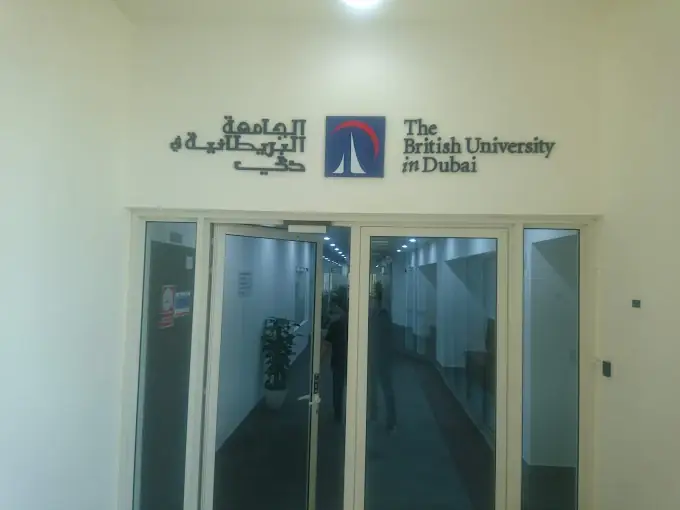
The British University in Dubai (BUiD) is a postgraduate-focused, research-oriented institution that delivers British higher education within the UAE. Established in collaboration with leading UK universities, BUiD is known for its strong academic rigor, research output, and programs aligned with national development and professional practice. This guide provides a comprehensive and factual overview of the British University in Dubai, helping prospective students, parents, and education consultants understand its academic structure, accreditation, admissions, and student experience. Overview of the University The British University in Dubai was established in 2003 to bring world-class British education and research to the UAE. The university was founded in partnership with several leading UK universities and operates on a model that emphasizes research, innovation, and academic excellence. Background and History BUiD was created to support the UAE’s transition to a knowledge-based economy by: Delivering UK academic standards locally Developing research capacity in priority national sectors Producing highly skilled postgraduate graduates Vision and Mission To be a leading research-intensive university in the region To contribute to national and global knowledge creation To educate future leaders, researchers, and professionals Reputation The British University in Dubai is widely recognized for: Strong postgraduate and doctoral programs British academic supervision and standards High-quality research output and scholarly activity Campus Overview Location BUiD is located in Dubai International Academic City (DIAC), a dedicated higher education zone that hosts numerous international universities and research institutions. Purpose of the Campus The campus was established to: Support advanced learning and research activities Provide an academic environment aligned with postgraduate education Facilitate collaboration with industry and government entities Campus Environment The campus environment is designed for mature learners and researchers, offering: Quiet, research-focused learning spaces Advanced research and computing facilities A multicultural academic community Accreditation & Recognition Accreditation is one of BUiD’s key strengths. Licensed by: Knowledge and Human Development Authority (KHDA), Dubai Accredited by: UAE Ministry of Education (MOE) Academic Partnerships: UK universities for degree validation and supervision Degree Recognition Degrees awarded by the British University in Dubai are: Recognized by the UAE Ministry of Education Awarded or validated by partner UK universities (depending on program) Internationally recognized for employment and further academic study This makes BUiD particularly attractive for students pursuing academic, research, or international careers. Colleges & Academic Programs Offered BUiD primarily offers postgraduate and doctoral programs, with a strong emphasis on research and professional practice. Faculty of Business & Law Programs focus on leadership, governance, and strategic management. Programs include: Master of Business Administration (MBA) MSc in Project Management MSc in Leadership and Human Resource Management Doctor of Business Administration (DBA) Faculty of Engineering & IT Designed for advanced technical and research-based careers. Programs include: MSc in Engineering Management MSc in Information Technology Management PhD in Engineering and Computing Faculty of Education One of BUiD’s most established academic areas. Programs include: Master of Education (MEd) MSc in Educational Leadership PhD in Education These programs are widely pursued by educators, policymakers, and academic professionals. Faculty of Architecture & Sustainable Built Environment Focused on sustainability, urban development, and architectural research. Programs include: MSc in Sustainable Design of the Built Environment MSc in Urban Planning PhD in Architecture and Sustainable Development Admission Requirements Undergraduate Admission BUiD primarily focuses on postgraduate education; undergraduate offerings are limited or program-specific. Postgraduate Admission Applicants generally require: A relevant bachelor’s degree from a recognized institution Minimum GPA requirements (program-dependent) Academic transcripts and references Statement of purpose Doctoral Admission Master’s degree in a relevant field Research proposal Academic references and interview English Language Requirements IELTS, TOEFL, or equivalent Higher English proficiency standards due to academic rigor Transfer Students Credit transfer considered on a case-by-case basis Subject to academic approval and equivalency Tuition Fees & Scholarships Tuition Fees Tuition fees vary based on: Program level (Master’s, DBA, PhD) Credit structure and research duration Additional costs may include: Registration and administrative fees Research-related expenses Scholarships & Financial Support BUiD may offer: Merit-based scholarships Research grants and assistantships Employer-sponsored study arrangements Scholarship availability depends on academic merit and research focus. Campus Facilities & Student Life Academic Facilities Research laboratories and computing facilities Extensive digital library resources Seminar rooms and collaborative research spaces Student Services Academic supervision and research support Library and information services Student administration and advisory support Student Life Student life at BUiD is academically focused and includes: Research seminars and conferences Academic workshops and guest lectures Collaborative research projects Faculty & Teaching Approach Faculty members are experienced researchers and academics Many hold joint appointments or collaborations with UK universities Teaching emphasizes research, critical analysis, and independent study BUiD’s approach is ideal for students pursuing advanced academic or professional pathways. Career Opportunities & Industry Connections BUiD graduates pursue careers in: Academia and research institutions Government and policy-making bodies Engineering, construction, and sustainability sectors Corporate leadership and consulting Career support includes: Research-industry collaboration Professional development workshops Networking with academic and industry experts Why Choose the British University in Dubai? Key Advantages UK-accredited degrees delivered in the UAE Strong research and postgraduate focus International academic reputation Alignment with UAE national development priorities Ideal Student Profile Graduates seeking master’s or doctoral studies Professionals pursuing leadership or academic careers Researchers interested in sustainability, education, or engineering Pros & Cons Pros MOE-accredited and UK-validated degrees Strong research infrastructure International academic recognition Cons Limited undergraduate programs Research-focused environment may not suit all learners Frequently Asked Questions (FAQs) Q1. Is the British University in Dubai accredited? A. Yes, BUiD is licensed by KHDA and accredited by the UAE Ministry of Education. Q2. Are BUiD degrees internationally recognized? A. Yes, degrees are UK-validated and widely recognized internationally. Q3. Can international students apply? A. Yes, BUiD accepts international students and supports visa processing. Q4. Is on campus accommodation available? A. BUiD does not provide on-campus housing; students arrange accommodation independently in Dubai. Conclusion The British University in Dubai is a strong choice for students seeking advanced, research-driven British education in the UAE. With its postgraduate focus, UK partnerships, and emphasis on academic excellence, BUiD serves as a gateway to academic, professional, … Read more

Dropout Policies & Refund Rules of UAE Universities

Dropout Policies & Refund Rules of UAE Universities

Starting university in the UAE is a big commitment, financially, academically, and emotionally. Yet many students don’t fully understand what happens if plans change after enrollment. To plan effectively, you can check our transfer students guide to understand how moving between universities works. Whether it’s a visa issue, a better offer, personal circumstances, or academic concerns, knowing the dropout and refund rules before you enroll can save you from serious stress and financial loss. Why Dropout and Refund Policies Matter More Than You Think University policies in the UAE are structured, legal, and strictly enforced. Once you sign an offer letter or pay initial fees, you enter a binding agreement. Understanding these rules helps you: Avoid losing large tuition amounts Make informed decisions during admission Plan backups if your situation changes Protect your academic and immigration status Many disputes arise simply because students didn’t read the fine print. How UAE Universities Structure Dropout Policies UAE universities generally follow guidelines set by: UAE Ministry of Education (MOE) KHDA (Dubai) ADEK (Abu Dhabi) However, each institution still has its own internal policy, which students must follow. What Is Considered a “Dropout” in UAE Universities? A student is typically classified as a dropout if they: Withdraw after registration Stop attending classes without formal notice Fail to renew enrollment Cancel admission after visa processing Do not complete fee payment after starting the semester Even silence or non-attendance can trigger dropout status. Common Reasons Students Drop Out in the UAE Understanding why students leave helps explain how policies are applied. Academic Reasons Difficulty adjusting to curriculum Language barriers Poor academic performance Financial Reasons Unexpected fee increases Loss of sponsorship Exchange rate issues for international students Visa & Immigration Issues Student visa rejection Delayed processing Change in residency plans Personal or Medical Reasons Family emergencies Health conditions Relocation Each reason may be treated differently under refund rules. For budgeting purposes, students should also review cost of living Dubai vs Sharjah to account for housing, transport, and day-to-day expenses. Tuition Fee Refund Rules: The General Framework While policies vary, most UAE universities follow a similar refund timeline. Before Classes Begin If a student withdraws before the semester officially starts: Registration fees are usually non-refundable Tuition fees may be partially refundable Visa-related fees are rarely refunded This is often the best window to recover funds. After Classes Start (First 1–2 Weeks) If withdrawal happens during the add/drop period: Partial tuition refund may apply (often 50–80%) Administrative deductions are common Visa fees remain non-refundable This window closes quickly. After the Add/Drop Period Once the official withdrawal deadline passes: No tuition refund is usually granted Student remains financially liable Outstanding fees must still be paid Many students are caught off guard at this stage. Registration Fees: Almost Always Non-Refundable Across UAE universities, registration or admission fees: Secure your seat Cover administrative costs Are non-refundable under all circumstances Even visa rejection or personal emergencies often don’t change this. Student Visa Fees and Refund Reality Visa Processing Fees If a university sponsors your visa: Visa fees are non-refundable once processing starts Medical tests, Emirates ID, and insurance are deducted Rejections rarely qualify for refunds Visa Cancellation Costs If you drop out after visa issuance: You may pay visa cancellation charges Overstay fines can apply if delayed Universities may deduct costs from deposits This directly impacts international students. For clarity on institutional fees, see Emirates Aviation University fees, which outlines payment, refund, and program structures. Refund Rules for International Students International students face stricter terms because: Universities act as visa sponsors Government fees are involved Legal compliance is mandatory Even early withdrawal may result in limited refunds due to third-party costs. Deposit Refund Policies Some universities require: Security deposits Library or lab deposits Accommodation deposits These are often refundable only if: All dues are cleared Proper withdrawal procedures are followed Assets are returned undamaged Processing can take weeks or months. What Happens Academically When You Drop Out? Academic Records Partial transcripts may be issued Withdrawn courses may appear on records Failing to formally withdraw can lead to “Fail” grades This can affect future admissions. Transfer to Another University Most universities require: Official withdrawal letter Clearance certificate No outstanding financial dues Without these, transferring becomes difficult. Formal Withdrawal Process: Step-by-Step Never assume stopping attendance is enough. Step 1: Submit Written Withdrawal Request Usually via: Student portal Academic office Admissions department Step 2: Clear Financial Dues Tuition balances Library fines Accommodation fees Step 3: Visa Cancellation (If Applicable) Handled by: University PRO Immigration department Step 4: Obtain Clearance Letter This document is crucial for: Refund processing Transfers Visa exit Skipping steps can lead to penalties. Refund Processing Timelines Refunds are not instant. Typical timelines: 30 to 60 working days Bank processing delays Currency conversion delays for international transfers Students should plan finances accordingly. Special Cases: Medical or Force Majeure Withdrawals Some universities may consider: Serious medical conditions Family bereavement Government travel bans However: Documentation is mandatory Approval is not guaranteed Refunds are still partial in most cases Policies remain strict. Scholarships and Financial Aid Withdrawals If you’re on scholarship: Funding may stop immediately Sponsors may demand repayment Universities may reclaim discounts Always check sponsor agreements before withdrawing. Accommodation Refund Policies University housing follows separate rules: Notice periods apply Partial refunds may be granted Damage or early exit penalties are common Private accommodation contracts are often stricter. University housing policies are detailed in our hostel accommodation UAE guide, which explains refund and notice procedures. Common Mistakes Students Make Not reading refund clauses Assuming visa rejection guarantees refund Missing withdrawal deadlines Relying on verbal assurances Ignoring clearance procedures These mistakes can cost thousands of dirhams. How to Protect Yourself Before Enrolling Ask These Questions Before Paying Any Fee What is refundable and what isn’t? What happens if my visa is rejected? What is the last withdrawal date? How long does refund processing take? Get answers in writing. Review Offer Letters Carefully Look for: Refund percentages Withdrawal deadlines Visa cost clauses Penalty statements Never rush this step. … Read more

UAE Degree Recognition: Is a UAE Degree Valid Worldwide?

UAE Degree Recognition: Is a UAE Degree Valid Worldwide?

Choosing where to study is no longer just about location or cost. For many students and professionals, the real question is whether the degree will be recognised globally and open doors beyond borders. To see which institutions are widely trusted, you can refer to the UAE university rankings for a clear picture of credibility and reputation. The UAE has rapidly become a serious education hub, but how far does a UAE degree really travel? Let’s break it down clearly and honestly. Understanding Degree Recognition in the UAE Degree recognition is not a vague promise; it’s a formal system based on accreditation, academic standards, and international agreements. In the UAE, universities operate under strict regulatory frameworks that directly impact how their degrees are viewed worldwide. At the center of this system is the UAE Ministry of Education (MOE), which licenses and accredits universities across the country. This oversight plays a major role in global acceptance. How UAE Universities Are Regulated Ministry of Education (MOE) Accreditation Universities licensed by the MOE must meet rigorous academic and operational standards. These include: Qualified faculty requirements Approved curricula and learning outcomes Transparent assessment systems Ongoing quality audits Degrees from MOE-accredited institutions are officially recognised within the UAE and form the foundation for international equivalency. Free Zone Universities vs Mainland Universities Some universities operate in education free zones like: Dubai Knowledge Park Dubai International Academic City Abu Dhabi’s education clusters While many free zone universities offer high-quality education, not all are MOE-accredited. This distinction matters greatly for degree recognition abroad. Is a UAE Degree Valid Worldwide? The Short Answer Yes, a UAE degree can be valid worldwide, but its recognition depends on three key factors: Accreditation status Awarding institution Destination country requirements Understanding these factors prevents costly mistakes. Recognition Based on Accreditation MOE-Accredited Universities Degrees from MOE-accredited universities are widely accepted for: Employment abroad Postgraduate studies Professional licensing (subject to country rules) They are generally easier to evaluate for equivalency by foreign authorities. International Branch Campuses Many UAE universities are branch campuses of globally ranked institutions from: The UK Australia The USA Canada These universities award the same degree as their home campus, often without mentioning “UAE” on the certificate. Students exploring options for online or flexible learning can also check online universities UAE to find accredited programs that support remote study. This significantly boosts global recognition. How Different Countries View UAE Degrees UAE Degrees in the UK UK institutions and employers typically accept: Degrees from UK branch campuses in the UAE MOE-accredited UAE degrees after credential evaluation For further studies, universities may request transcripts and accreditation proof. UAE Degrees in Canada Canadian recognition depends on: University accreditation Program structure Credential evaluation agencies Degrees from internationally affiliated UAE universities are generally well received. UAE Degrees in the USA In the US, recognition is determined by: Credential evaluation services Institutional accreditation Program comparability UAE degrees from accredited universities usually qualify for equivalency, especially for postgraduate admissions. UAE Degrees in Europe European recognition varies by country but often follows: Bologna Process standards University accreditation Degree level compatibility MOE-accredited and internationally affiliated UAE degrees tend to perform well in evaluations. UAE Degrees in Asia and the Middle East In many Asian and GCC countries: UAE degrees are widely accepted MOE accreditation holds strong value Regional academic alignment supports recognition This makes UAE education especially valuable for regional mobility. Professional Recognition vs Academic Recognition Academic Recognition Academic recognition applies when: Applying for higher education Transferring credits Pursuing PhDs or certifications Universities evaluate degree content, duration, and accreditation. Professional Recognition Professional recognition is required for regulated careers such as: Medicine Engineering Law Teaching Even globally recognised degrees may require: Licensing exams Local certifications Professional body registration This is normal worldwide and not unique to UAE degrees. Key Factors That Improve Global Acceptance of UAE Degrees International Accreditation Some UAE programs hold additional accreditation from bodies like: AACSB (business) ABET (engineering) ACCA-aligned programs Professional councils These accreditations significantly boost global trust. University Rankings and Reputation Global ranking bodies such as QS and Times Higher Education include several UAE universities. Rankings influence: Employer perception University admissions decisions International credibility English Language Instruction Most UAE universities teach in English, which: Aligns with global academic standards Simplifies international admissions Improves employability This is a major advantage for global mobility. Students aiming for international careers can also review study in UAE after FSC & A-levels to see programs designed for global mobility. Common Myths About UAE Degree Recognition “UAE Degrees Are Only Valid Locally” This is outdated. Many UAE degrees are accepted worldwide, especially those from accredited or international institutions. “Only Western Degrees Matter” What matters today is accreditation, curriculum quality, and learning outcomes—not just geography. “Online or Part-Time UAE Degrees Aren’t Recognised” Recognition depends on: University accreditation Program structure Assessment standards Many part-time and blended UAE degrees are fully recognised. How to Verify If Your UAE Degree Will Be Recognised Abroad Step 1: Check MOE Accreditation Always confirm whether the university and program are MOE-approved. Step 2: Review the Awarding Body Is the degree awarded by: A UAE institution? An international university? This affects global recognition pathways. Step 3: Check Destination Country Requirements Each country has its own credential evaluation process. Look for: Approved evaluation agencies Licensing requirements University admission criteria Step 4: Request Official Documentation Universities should provide: Transcripts Accreditation letters Program descriptions These documents are crucial for recognition. UAE Degrees and Employment Abroad Employer Perspective Most international employers focus on: Skills and experience University credibility Degree relevance A recognised UAE degree combined with experience often competes strongly with Western qualifications. Multinational Companies in the UAE Many global companies operating in Dubai and Abu Dhabi already recognise UAE degrees, especially from reputable institutions. This creates smoother international transitions. UAE Degrees for Immigration and Visas For immigration pathways: Degrees are evaluated by official credential bodies Accreditation and duration matter Recognition supports skilled migration applications UAE degrees regularly pass these evaluations when properly accredited. Professionals or students interested in practical, career-oriented programs can consult best … Read more

Best Universities in UAE for Working Professionals

Best Universities in UAE for Working Professionals

Balancing a full-time job with higher education is no longer a distant dream in the UAE. With flexible schedules, industry-focused programs, and globally recognised degrees, many universities now cater specifically to working professionals. For those exploring options, you can check our list of universities in Dubai to identify institutions offering professional-friendly programs. Whether you’re aiming for career growth, a role change, or long-term stability, choosing the right university can make all the difference. Why the UAE Is Ideal for Working Professionals Seeking Higher Education The UAE has positioned itself as a regional education hub, especially for professionals who want to study without putting their careers on hold. Several factors make the UAE attractive: Evening and weekend class options Blended and online learning models Strong industry-academia connections Degrees recognised locally and internationally Cities like Dubai, Abu Dhabi, and Sharjah host universities close to business districts, free zones, and transport links, making study-logistics easier for professionals. What Working Professionals Should Look for in a University Flexible Study Formats For professionals, flexibility is non-negotiable. The best universities offer: Evening classes after office hours Weekend-only schedules Hybrid or fully online options Modular or block teaching These formats allow students to maintain productivity at work while studying. Industry-Relevant Curriculum Courses designed for professionals focus less on theory-heavy content and more on: Practical case studies Real-world applications Industry tools and frameworks Leadership and decision-making skills This ensures immediate value in the workplace. Accreditation and Recognition In the UAE, it’s important to ensure the university is: Accredited by the Ministry of Education (MOE) Recognised by employers and professional bodies Globally accepted for further education Accreditation directly impacts career mobility. Best Universities in UAE for Working Professionals University of Dubai Located near Dubai’s business hubs, the University of Dubai is popular among professionals in management, IT, and law. Why it works for professionals: Evening and weekend MBA programs Strong ties with Dubai Chamber and industry leaders Practical, business-focused teaching It’s particularly suitable for mid-level managers and entrepreneurs. Heriot-Watt University Dubai Heriot-Watt is known for its strong engineering, business, and data-related programs. Key advantages: Flexible postgraduate schedules UK degree awarded in the UAE Strong reputation among multinational employers Many working professionals choose it for career acceleration in technical or analytical roles. Professionals can also explore online universities UAE for flexible schedules that don’t interfere with work commitments. Middlesex University Dubai Middlesex University offers a wide range of undergraduate and postgraduate programs tailored for employed students. Professional-friendly features: Evening classes in Dubai Knowledge Park Industry-aligned business and HR programs UK-accredited degrees It’s a common choice for professionals transitioning into leadership roles. University of Wollongong in Dubai (UOWD) UOWD has built a strong reputation for supporting working professionals across sectors. Why professionals prefer UOWD: Weekend and evening classes Australian degree recognition Focus on practical learning and assessments Programs in business, finance, and IT are especially popular. Canadian University Dubai Located close to Downtown Dubai and Sheikh Zayed Road, Canadian University Dubai appeals to professionals seeking North American education standards. Highlights: Flexible class timings Pathway options to Canada Career-focused business and engineering programs It suits professionals planning long-term international exposure. University of Sharjah For professionals based in Sharjah or the northern emirates, the University of Sharjah is a strong option. Why it stands out: Recognised academic excellence Part-time postgraduate programs Strong focus on research and applied sciences It’s ideal for professionals in healthcare, education, and engineering. Emirates Aviation University Emirates Aviation University is a specialised choice, especially for aviation and logistics professionals. Professional benefits: Industry-led teaching Flexible postgraduate programs Strong employer recognition in aviation It’s particularly valuable for professionals already working in airlines or logistics. Popular Courses Among Working Professionals in the UAE MBA and Executive MBA MBA programs remain the top choice due to: Career advancement potential Leadership skill development Networking opportunities Executive MBAs are especially designed for senior professionals. Information Technology and Data Programs With UAE’s digital transformation, professionals often pursue: Data analytics Cybersecurity Artificial intelligence Information systems These programs offer strong ROI in the job market. Education and Teaching Qualifications Many educators pursue: PGDE programs Educational leadership degrees Curriculum and assessment courses These are popular in Abu Dhabi and Sharjah-based institutions. For a detailed comparison, see our affordable universities UAE guide. Engineering and Project Management Working engineers often opt for: Project management certifications Engineering master’s degrees Construction and infrastructure programs These align well with the UAE’s development projects. How Universities Support Working Professionals Beyond Classes Career Services and Networking Top universities provide: Career coaching Employer networking events Alumni connections Industry guest lectures This adds long-term career value beyond academics. Assessment Flexibility Instead of traditional exams, many programs use: Assignments Case studies Group projects Workplace-based assessments This suits professionals managing tight schedules. Cost and Payment Flexibility Tuition Fees and Installments Most UAE universities offer: Installment payment plans Employer sponsorship options Early payment discounts This reduces financial pressure for professionals. Return on Investment Professional degrees in the UAE often lead to: Salary increments Promotions Role changes Better job security The ROI is a major motivator for working students. Online and Blended Learning Options in the UAE Many universities now offer: Fully online degrees Blended learning with minimal campus visits Virtual lectures with recorded sessions This benefits professionals who travel frequently or work shifts. How to Choose the Right University for Your Career Goals Ask yourself: Does the program align with my career path? Are classes compatible with my work schedule? Is the degree recognised by employers? Does the university have industry credibility? The best choice balances flexibility, quality, and relevance. Those based in Sharjah may find the University of Sharjah fees page useful for planning their investment in education. Common Mistakes Working Professionals Should Avoid Choosing a university without proper accreditation Ignoring class schedules until after enrollment Selecting a degree without market demand Underestimating workload management Careful planning prevents long-term frustration. FAQs Q1. Can I study while working full-time in the UAE? A. Yes, many universities offer evening, weekend, and online programs designed for full-time employees. Q2. Are part-time degrees … Read more

Translate »