
homeworkandassignmenthelper.com

Is Studying in UAE Better Than Turkey or Malaysia?

Is Studying in UAE Better Than Turkey or Malaysia

Choosing where to study abroad is no longer just about rankings or tuition fees, it’s about academic standards, lifestyle, long-term value, and how well a system supports students under real academic pressure. For many international students and residents, the question often narrows down to one comparison: the UAE, Turkey, or Malaysia. This in-depth guide offers a clear, realistic UAE vs Turkey study comparison, written from the perspective of academic expectations, student life, and long-term academic success. Understanding Why These Three Countries Are Often Compared The UAE, Turkey, and Malaysia attract students for different reasons: The UAE offers globally accredited degrees with strong industry links. Turkey blends European-style education with lower tuition. Malaysia is known for affordability and branch campuses of Western universities. On paper, all three look appealing. In reality, the student experience and academic pressure vary significantly. Students who want to understand how classrooms actually operate can explore the detailed teaching style followed by universities across the UAE. Academic Environment: How Learning Feels Day to Day Studying in the UAE: Structured, Fast-Paced, High Standards Universities in Dubai, Abu Dhabi, Sharjah, and Ajman largely follow: British, American, Australian, or Canadian academic frameworks Continuous assessment models Strict grading rubrics Students in UAE universities face: Frequent assignments Research-based coursework Tight deadlines aligned with international standards The academic culture rewards consistency, originality, and strong academic writing skills. Studying in Turkey: Theory-Heavy with Exam Focus Turkish universities emphasize: End-of-semester exams Lecture-based learning Less continuous coursework While this reduces weekly assignment pressure, it places enormous weight on final exams. Students who struggle with memorization or exam anxiety may find this challenging. Studying in Malaysia: Balanced but Less Intense Malaysia offers: Flexible assessment methods Moderate assignment loads Supportive academic environments However, grading standards may feel less demanding compared to UAE universities, particularly in private institutions. Teaching Quality and Faculty Engagement UAE Universities Faculty members in UAE institutions are often: Internationally trained Industry-experienced Strict about academic integrity Students receive detailed feedback, but expectations are high. Poorly written assignments are rarely overlooked. Turkish Universities Teaching quality varies widely: Top public universities maintain strong academic traditions Private institutions may focus more on enrollment than rigor Student-teacher interaction can be limited in large classes. Malaysian Universities Lecturers are generally approachable, and academic support services are well-established. However, academic depth can vary depending on the institution. Language of Instruction and Academic Writing Challenges UAE: English-Centered with High Writing Expectations Most programs are taught in English, and students are expected to: Write research-driven essays Follow strict referencing styles (APA, Harvard, MLA) Avoid all forms of plagiarism For many students in UAE, language barriers significantly affect grades. Turkey: Turkish and English Hybrid While some programs are in English: Administrative processes often occur in Turkish Academic resources may be limited for non-Turkish speakers This can slow academic progress for international students. Malaysia: English-Friendly and Flexible Malaysia offers English-medium instruction with: More tolerance for language development Supportive writing centers This makes it easier for students transitioning from non-English backgrounds. Assessment Methods and Grading Pressure UAE Assessment Style UAE universities rely heavily on: Continuous assessment Case studies Group projects Midterms and finals Missing one assignment can significantly impact final grades. Assessment structures vary widely, and UAE universities rely heavily on continuous evaluation rather than exam-only grading. Turkey’s Exam-Dominant System Grades often depend on: One or two major exams Limited coursework This system benefits students who perform well under pressure but offers little recovery room. Malaysia’s Mixed Assessment Model Malaysia balances: Coursework Presentations Exams This allows students to distribute academic effort more evenly. Academic Integrity and Plagiarism Rules UAE: Zero-Tolerance Environment Plagiarism policies in UAE universities are strict: Mandatory plagiarism checks Severe penalties for violations Academic probation or course failure Students must understand citation rules thoroughly. Turkey: Moderately Enforced Policies While plagiarism is discouraged, enforcement can vary by institution and department. Malaysia: Educational Approach to Integrity Many Malaysian universities focus on: Educating students about plagiarism Allowing revisions for minor mistakes This reduces academic penalties but may also lower pressure to master referencing early. Student Life and Academic Stress Levels Life as a Student in the UAE Students in UAE experience: Multicultural campuses Competitive academic environments High expectations from faculty and families Balancing studies with part-time work or internships is common but demanding. Student Life in Turkey Turkey offers: Rich cultural experiences Lower living costs Relaxed campus life However, adapting to language and bureaucracy can be stressful. Student Life in Malaysia Malaysia provides: Affordable living Friendly campus culture Less academic stress But career exposure during studies may be limited compared to the UAE. Career Exposure and Industry Integration UAE: Strong Industry Links One major advantage in the UAE vs Turkey study comparison is career access: Internships with multinational companies Industry-aligned curricula Networking opportunities in Dubai and Abu Dhabi This adds pressure but increases employability. Turkey: Localized Career Opportunities Employment prospects are stronger for students fluent in Turkish. International career exposure is limited. Malaysia: Gradual Career Development Malaysia offers internships, but global exposure may require additional qualifications after graduation. Degree Recognition and Global Mobility UAE Degrees UAE universities often hold: International accreditation Recognition across Europe, Asia, and the Middle East Graduates are competitive globally. Balancing studies with personal life is influenced by whether students live on campus or off campus in the UAE. Turkish Degrees Recognition depends on: University ranking Program accreditation Top institutions are well-regarded, but lesser-known universities may face recognition challenges. Malaysian Degrees Degrees from reputable institutions are recognized, especially those affiliated with UK or Australian universities. Cost vs Value: A Realistic Perspective Studying in the UAE Higher tuition is offset by: Degree credibility Career access Faster professional integration Studying in Turkey Lower tuition and living costs appeal to budget-conscious students, but long-term returns vary. Studying in Malaysia Malaysia offers excellent affordability but may require further qualifications for global competitiveness. Academic Support and Writing Assistance Needs Students in UAE universities frequently seek: Assignment structuring help Research guidance Referencing support Language refinement The intensity of academic writing standards makes external academic guidance more common in the UAE … Read more
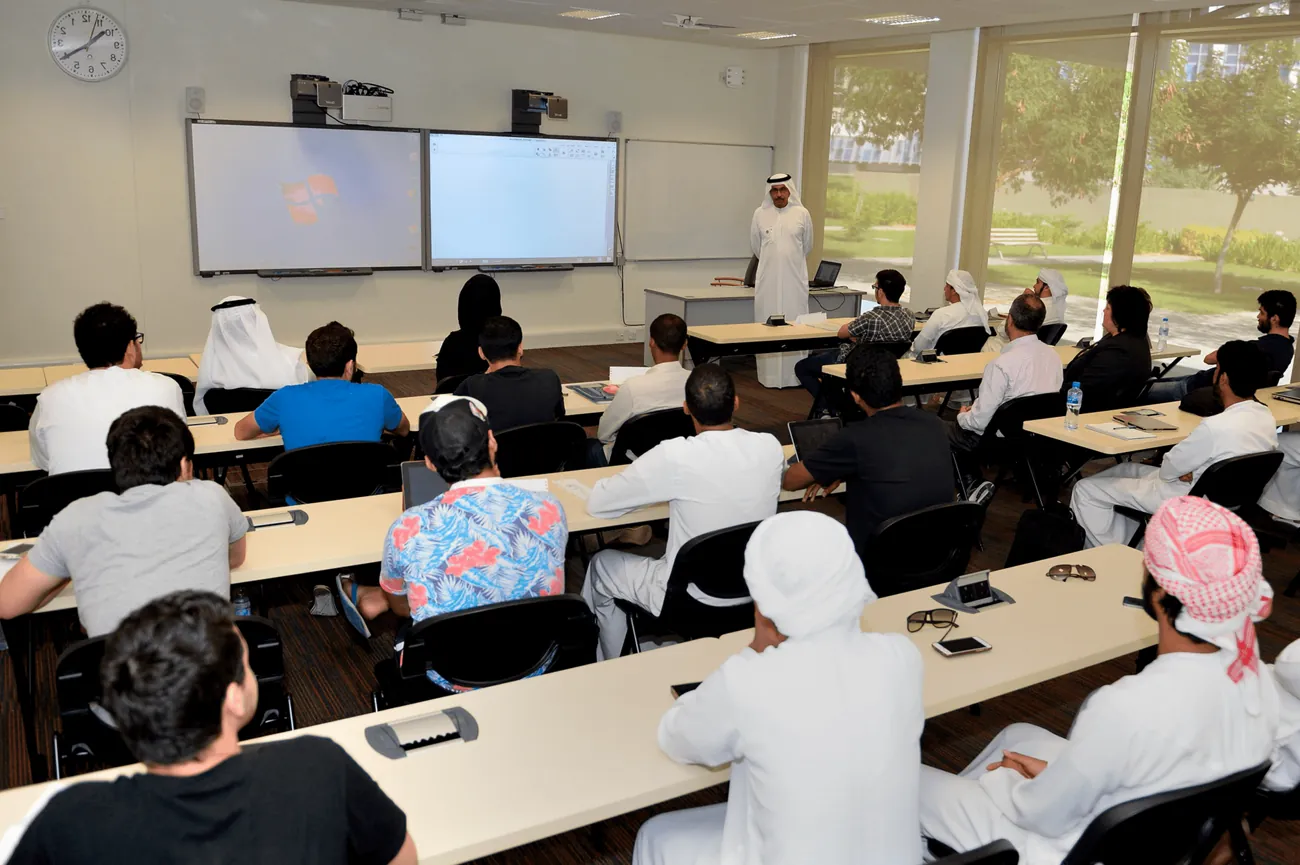
Teaching Style in UAE Universities Compared to UK & US

Teaching Style in UAE Universities

Students arriving in the UAE often assume that studying at an international university here will feel exactly like studying in the UK or the US. The reality is more nuanced. While curricula may be aligned, the teaching system UAE universities follow blends global academic models with regional expectations, shaping how students learn, participate, and are assessed from day one. Why Teaching Style Matters More Than Students Realize Teaching style influences far more than classroom comfort. It determines how: Assignments are structured Marks are awarded Feedback is delivered Academic integrity is enforced For students in UAE universities, especially those transitioning from UK or US systems, understanding these differences early can prevent avoidable grade loss and academic stress. For students managing tight deadlines and structured assessments, choosing the right accommodation becomes critical, which is why understanding off-campus versus on-campus student housing in the UAE can directly impact academic focus and daily productivity. Foundations of the Teaching System in UAE Universities A Hybrid Academic Model UAE universities operate within a hybrid framework. Many institutions are: Branch campuses of UK, US, or Australian universities Locally accredited universities following international benchmarks This results in teaching that blends Western pedagogy with UAE regulatory oversight. Standardization Across Diverse Campuses Despite cultural diversity, the UAE enforces: Uniform quality assurance standards Centralized accreditation guidelines Structured learning outcomes This creates consistency, but also rigidity that surprises some students used to flexible systems. Classroom Structure: UAE vs UK vs US Teaching System UAE Universities: Structured and Guided In UAE classrooms, teaching is typically: Instructor-led Highly structured Closely aligned with assessment rubrics Lecturers often provide clear weekly objectives, slides, and reading lists to ensure all students, regardless of background, stay aligned. UK Universities: Independent and Self-Directed UK teaching emphasizes: Independent reading Critical debate Self-managed learning Lectures often introduce themes, while students are expected to explore ideas deeply on their own. US Universities: Interactive but Continuous US classrooms combine: Regular quizzes Participation marks Ongoing assignments This creates constant engagement, but also sustained pressure throughout the semester. Role of the Lecturer Across Systems UAE Lecturers as Academic Guides In UAE universities, lecturers often act as: Structured mentors Academic supervisors Assessment interpreters They clarify expectations carefully because student cohorts are multinational. UK Lecturers as Academic Facilitators UK faculty focus on: Encouraging debate Challenging assumptions Minimal intervention Students must actively seek clarification. US Professors as Performance Monitors US professors track: Attendance Participation Progress metrics Feedback is frequent but expectations are explicit. Assessment Design: Where Students Feel the Biggest Shift UAE Assessment Philosophy The teaching system UAE universities follow emphasizes: Clear marking criteria Transparent grading Evidence-based answers Assignments often come with detailed rubrics that must be followed precisely. UK Assessment Style UK assessments reward: Original argument Critical depth Theoretical engagement Deviation from structure is acceptable if reasoning is strong. US Assessment Style US grading often balances: Content knowledge Presentation quality Engagement consistency Smaller tasks contribute significantly to final grades. Writing Expectations: A Key Area of Difference Academic Writing in UAE Universities Writing in UAE institutions must be: Structured Formal Strictly referenced Even creative ideas lose marks if formatting or citation rules are not followed. UK Writing Culture UK universities value: Argument sophistication Theoretical positioning Discursive writing Structure matters, but originality often outweighs rigidity. US Writing Culture US academic writing focuses on: Clear thesis statements Evidence integration Progressive drafts Feedback cycles are more frequent. Referencing and Academic Integrity Zero Tolerance in UAE Universities Plagiarism policies in the UAE are: Strict Clearly enforced Non-negotiable Even accidental citation errors can result in penalties. UK and US Approaches UK and US institutions also penalize plagiarism, but: UK focuses on intent and learning progression US emphasizes correction through resubmission in early years UAE universities often apply penalties immediately. Classroom Participation and Cultural Context Participation in UAE Classrooms Participation expectations are: Encouraged but moderated Structured through presentations or group tasks Students from quieter academic cultures may feel more supported. UK Debate-Driven Classrooms UK seminars often involve: Open disagreement Student-led discussion Silence may be interpreted as disengagement. US Participation as Assessment In the US, participation is often graded directly, adding pressure to speak frequently. Group Work Dynamics Multicultural Group Projects in UAE Group work in UAE universities often includes students from: Multiple countries Different academic systems This requires: Clear role division Strong written coordination Weak writing can affect the entire group’s grade. Many international students attempt to balance coursework with work commitments, making it essential to understand part-time employment regulations for students in the UAE before taking on any job alongside academic responsibilities. UK and US Group Expectations UK groups focus on: Analytical depth US groups emphasize: Collaboration process Final presentation quality UAE groups balance both but enforce strict submission standards. Feedback Styles Compared UAE Feedback: Direct and Rubric-Based Feedback in UAE universities is: Linked directly to marking criteria Focused on improvement areas Comments are often concise and formal. UK Feedback: Conceptual and Reflective UK feedback tends to: Question reasoning Encourage deeper thinking It may feel abstract to new students. US Feedback: Continuous and Actionable US students receive: Frequent comments Draft-level guidance This helps course-correct early. Exam and Coursework Balance UAE Preference for Coursework Many UAE universities rely heavily on: Assignments Projects Midterms Final exams may carry less weight than in the UK. UK Exam-Centric Models UK degrees often depend heavily on: Final exams Large end-of-term assessments This places pressure on high-stakes performance. US Balanced Evaluation US systems distribute marks across: Homework Tests Projects Exams Pressure is constant but spread out. Student Support and Academic Resources Structured Support in UAE Universities Support services in the UAE often include: Writing centers Academic advisors Skill workshops These are aligned with institutional standards. UK Support: Student-Initiated UK universities provide resources, but students must actively seek them. US Support: Embedded in Courses In the US, support is often built into coursework through tutorials and labs. How Teaching Style Affects International Students Adjustment Challenges in the UAE International students often struggle with: Rigid formatting rules Compressed deadlines Simultaneous assessments Understanding expectations early is critical. Language and Expression Barriers … Read more

Translate »