
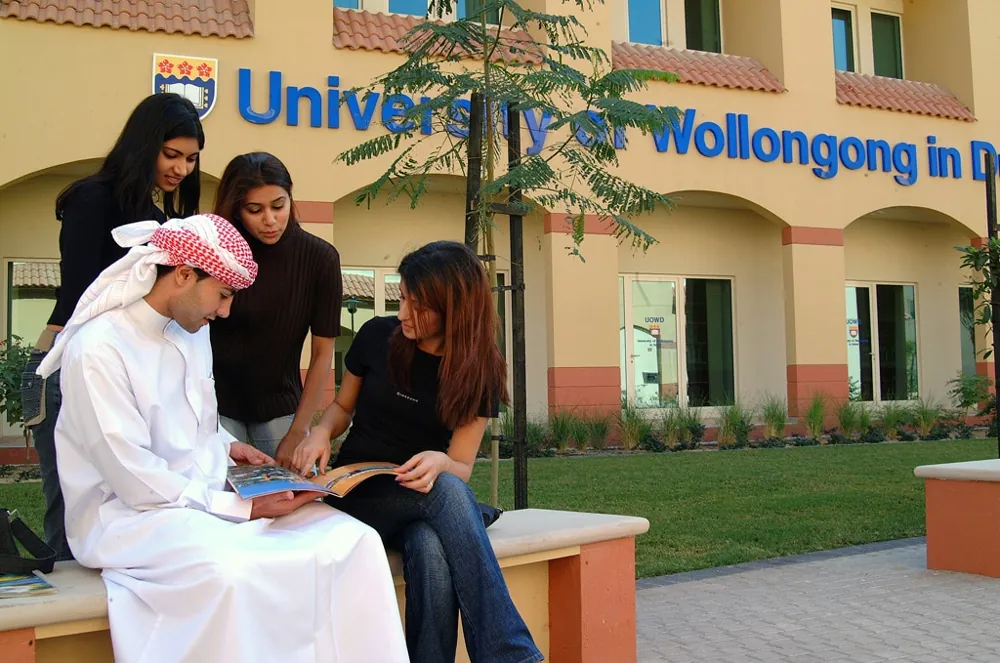
Choosing where to study abroad is no longer just about rankings or tuition fees, it’s about academic standards, lifestyle, long-term value, and how well a system supports students under real academic pressure. For many international students and residents, the question often narrows down to one comparison: the UAE, Turkey, or Malaysia.
This in-depth guide offers a clear, realistic UAE vs Turkey study comparison, written from the perspective of academic expectations, student life, and long-term academic success, including support for thesis writing. For students navigating heavy coursework and research demands, assignment help in UAE can provide additional academic support to manage complex tasks more effectively and improve overall performance.
Understanding Why These Three Countries Are Often Compared

The UAE, Turkey, and Malaysia attract students for different reasons:
- The UAE offers globally accredited degrees with strong industry links.
- Turkey blends European-style education with lower tuition.
- Malaysia is known for affordability and branch campuses of Western universities.
On paper, all three look appealing. In reality, the student experience and academic pressure vary significantly. Students who want to understand how classrooms actually operate can explore the detailed teaching style followed by universities across the UAE. As coursework demands increase, many students also seek assignment help in UAE to better manage deadlines, improve academic performance, and adapt to university expectations.
Academic Environment: How Learning Feels Day to Day
Studying in the UAE: Structured, Fast-Paced, High Standards
Universities in Dubai, Abu Dhabi, Sharjah, and Ajman largely follow:
- British, American, Australian, or Canadian academic frameworks
- Continuous assessment models
- Strict grading rubrics
Students in UAE universities face:
- Frequent assignments
- Research-based coursework
- Tight deadlines aligned with international standards
The academic culture rewards consistency, originality, and strong academic writing skills.
Studying in Turkey: Theory-Heavy with Exam Focus
Turkish universities emphasize:
- End-of-semester exams
- Lecture-based learning
- Less continuous coursework
While this reduces weekly assignment pressure, it places enormous weight on final exams. Students who struggle with memorization or exam anxiety may find this challenging.
Studying in Malaysia: Balanced but Less Intense
Malaysia offers:
- Flexible assessment methods
- Moderate assignment loads
- Supportive academic environments
However, grading standards may feel less demanding compared to UAE universities, particularly in private institutions.
Teaching Quality and Faculty Engagement
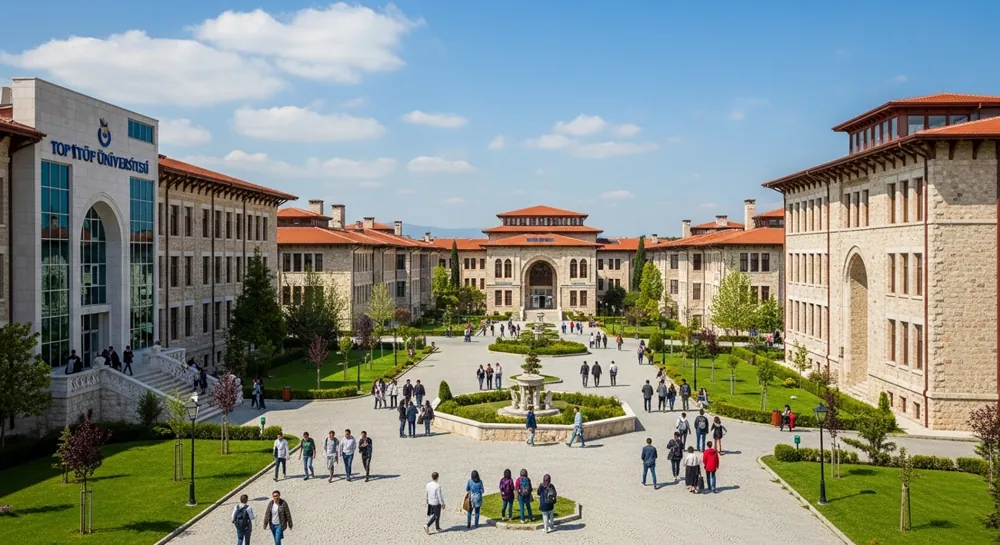
UAE Universities
Faculty members in UAE institutions are often:
- Internationally trained
- Industry-experienced
- Strict about academic integrity
Students receive detailed feedback, but expectations are high. Poorly written assignments are rarely overlooked.
Turkish Universities
Teaching quality varies widely:
- Top public universities maintain strong academic traditions
- Private institutions may focus more on enrollment than rigor
Student-teacher interaction can be limited in large classes.
Malaysian Universities
Lecturers are generally approachable, and academic support services are well-established. However, academic depth can vary depending on the institution.
Language of Instruction and Academic Writing Challenges
UAE: English-Centered with High Writing Expectations
Most programs are taught in English, and students are expected to:
- Write research-driven essays
- Follow strict referencing styles (APA, Harvard, MLA)
- Avoid all forms of plagiarism
For many students in UAE, language barriers significantly affect grades.
Turkey: Turkish and English Hybrid
While some programs are in English:
- Administrative processes often occur in Turkish
- Academic resources may be limited for non-Turkish speakers
This can slow academic progress for international students.
Malaysia: English-Friendly and Flexible
Malaysia offers English-medium instruction with:
- More tolerance for language development
- Supportive writing centers
This makes it easier for students transitioning from non-English backgrounds.
Assessment Methods and Grading Pressure
UAE Assessment Style
UAE universities rely heavily on:
- Continuous assessment
- Case studies
- Group projects
- Midterms and finals
Missing one assignment can significantly impact final grades. Assessment structures vary widely, and UAE universities rely heavily on continuous evaluation rather than exam-only grading.
Turkey’s Exam-Dominant System
Grades often depend on:
- One or two major exams
- Limited coursework
This system benefits students who perform well under pressure but offers little recovery room.
Malaysia’s Mixed Assessment Model
Malaysia balances:
- Coursework
- Presentations
- Exams
This allows students to distribute academic effort more evenly.
Academic Integrity and Plagiarism Rules

UAE: Zero-Tolerance Environment
Plagiarism policies in UAE universities are strict:
- Mandatory plagiarism checks
- Severe penalties for violations
- Academic probation or course failure
Students must understand citation rules thoroughly.
Turkey: Moderately Enforced Policies
While plagiarism is discouraged, enforcement can vary by institution and department.
Malaysia: Educational Approach to Integrity
Many Malaysian universities focus on:
- Educating students about plagiarism
- Allowing revisions for minor mistakes
This reduces academic penalties but may also lower pressure to master referencing early.
Student Life and Academic Stress Levels
Life as a Student in the UAE
Students in UAE experience:
- Multicultural campuses
- Competitive academic environments
- High expectations from faculty and families
Balancing studies with part-time work or internships is common but demanding.
Student Life in Turkey
Turkey offers:
- Rich cultural experiences
- Lower living costs
- Relaxed campus life
However, adapting to language and bureaucracy can be stressful.
Student Life in Malaysia
Malaysia provides:
- Affordable living
- Friendly campus culture
- Less academic stress
But career exposure during studies may be limited compared to the UAE.
Career Exposure and Industry Integration
UAE: Strong Industry Links
One major advantage in the UAE vs Turkey study comparison is career access:
- Internships with multinational companies
- Industry-aligned curricula
- Networking opportunities in Dubai and Abu Dhabi
This adds pressure but increases employability.
Turkey: Localized Career Opportunities
Employment prospects are stronger for students fluent in Turkish. International career exposure is limited.
Malaysia: Gradual Career Development
Malaysia offers internships, but global exposure may require additional qualifications after graduation.
Degree Recognition and Global Mobility

UAE Degrees
UAE universities often hold:
- International accreditation
- Recognition across Europe, Asia, and the Middle East
Graduates are competitive globally. Balancing studies with personal life is influenced by whether students live on campus or off campus in the UAE.
Turkish Degrees
Recognition depends on:
- University ranking
- Program accreditation
Top institutions are well-regarded, but lesser-known universities may face recognition challenges.
Malaysian Degrees
Degrees from reputable institutions are recognized, especially those affiliated with UK or Australian universities.
Cost vs Value: A Realistic Perspective
Studying in the UAE
Higher tuition is offset by:
- Degree credibility
- Career access
- Faster professional integration
Studying in Turkey
Lower tuition and living costs appeal to budget-conscious students, but long-term returns vary.
Studying in Malaysia
Malaysia offers excellent affordability but may require further qualifications for global competitiveness.
Academic Support and Writing Assistance Needs
Students in UAE universities frequently seek:
- Assignment structuring help
- Research guidance
- Referencing support
- Language refinement
The intensity of academic writing standards makes external academic guidance more common in the UAE than in Turkey or Malaysia.
Which Country Is Better for Serious Academic Growth?

In the UAE vs Turkey study comparison, the UAE stands out for:
- Structured academic rigor
- Internationally aligned assessments
- Strong academic integrity enforcement
Turkey offers cultural richness and affordability, while Malaysia provides balance and accessibility.
The “better” choice depends on:
- Career goals
- Academic discipline
- Ability to handle academic pressure
One major advantage of studying in the UAE is structured career support and university-led placement pathways.
FAQs
Q1. Is studying in UAE harder than studying in Turkey or Malaysia?
A. Yes, academically it is more demanding due to continuous assessments and strict grading standards.
Q2. Which country offers better degree recognition?
A. UAE degrees generally offer wider global recognition, especially from internationally accredited institutions.
Q3. Is academic writing more important in UAE universities?
A. Absolutely. Essays, reports, and research projects carry significant weight.
Q4. Which country is better for international students?
A. The UAE is more internationally oriented, but Malaysia may feel more relaxed for beginners.
Q5. Does studying in UAE increase career opportunities?
A. Yes, especially for students aiming to work in multinational environments.
Q6. Do students in UAE need more academic support?
A. Due to high expectations and language barriers, many students seek academic writing help in UAE.
Final Thoughts
Choosing between the UAE, Turkey, and Malaysia is ultimately about how much academic pressure you’re ready to manage for long-term value. Comparing Turkey, Dubai, and Malaysia helps international students evaluate differences in education quality, living costs, and career prospects. With UAE university deadlines approaching fast and grading standards leaving little room for error, students who act early gain a serious advantage, especially when expert academic guidance can make the difference between delay and distinction.