
homeworkandassignmenthelper.com

Graduate Visa Options After Studying in UAE

Graduate Visa Options After Studying in UAE

For many students, finishing a degree in the UAE brings both pride and pressure. Alongside final exams and submissions, questions about staying legally in the country begin to surface. Understanding graduate visa UAE students options early helps reduce stress, protect academic outcomes, and avoid rushed decisions at the most critical stage of university life. Why Graduate Visa Planning Should Start Before Final Year In UAE universities, academic timelines move quickly, especially during the final year. Dissertations, capstone projects, internships, and exams often overlap, leaving little space for administrative planning. Graduate visa options are directly affected by: Official graduation dates Transcript availability Academic clearance Visa expiry timelines Students who delay planning often find themselves balancing visa anxiety with assignment pressure, a combination that can seriously affect grades. Many visa routes are closely linked to employment, which is why understanding post-study work opportunities in the UAE is essential before initiating any graduate visa application. Understanding the UAE Visa System for Graduates How Student Visas End After Graduation A UAE student visa is issued specifically for education. Once a program officially ends, the visa does not remain valid indefinitely. Graduates usually enter a short grace period during which they must either: Exit the country Change visa status Secure a new legal residency option Any delay in academic clearance, such as pending assignments or re-submissions, can complicate this process. Why Academic Completion Status Matters Universities in Dubai, Abu Dhabi, Sharjah, and Ajman do not issue completion letters until all academic requirements are fulfilled. This includes: Final coursework submissions Plagiarism clearance Outstanding assessments Administrative approvals Without these documents, graduates cannot proceed with most visa changes. Graduate Visa Options Available in the UAE Short-Term Post-Graduation Stay Options Many graduates initially rely on short-term stay arrangements that allow them to remain in the UAE while seeking employment or internships. These options are time-sensitive and require accurate academic documentation. Short-term options are best suited for students who: Have completed all coursework on time Are actively applying for jobs Need limited time to transition Missing deadlines at university can shorten or eliminate these opportunities. Job-Seeker and Transitional Visas Some graduates apply for visas designed to allow job searching without immediate employer sponsorship. These options require: Proof of graduation Valid academic records Clean immigration history Graduates struggling with delayed transcripts due to academic issues often face challenges at this stage. Employer-Sponsored Work Visas The most common long-term solution is an employer-sponsored visa. However, employers typically require: Official degree certificates or completion letters Strong academic records Evidence of skill readiness Students who rush final assignments or receive academic penalties may find job offers delayed or withdrawn. Internship and Trainee Visa Pathways Graduates entering structured internships may transition through trainee or internship visas. These are common in: Business and management sectors Engineering and technical fields Aviation, logistics, and operations Academic performance plays a key role, especially where internships are competitive or regulated. Delayed submissions or resits can extend degree completion time in UAE universities, directly affecting eligibility windows for graduate visa transitions. How Academic Performance Influences Visa Transitions The Direct Link Between Grades and Visa Timing Grades do more than shape employability, they influence visa readiness. Low grades, failed modules, or misconduct investigations can: Delay graduation confirmation Postpone visa eligibility Create legal uncertainty In the UAE, even small academic delays can have serious immigration consequences. Academic Writing and Clearance Risks Many visa delays originate from writing-related issues: Plagiarism flags Improper referencing Incomplete dissertations Rejected final projects These problems often appear during high-pressure submission periods, when students are already managing visa deadlines. This is why students frequently seek clarity through academic guidance resources such as the Homework and Assignment Helper blog, especially near the end of their degree. Visa Options for High-Achieving Graduates Merit-Based and Long-Term Residency Pathways High-performing graduates may qualify for extended residency options based on: Academic excellence Research contributions Specialized skill sets These options are competitive and require clean academic records with no integrity violations. Research and Postgraduate Continuation Visas Graduates moving into postgraduate study often transition through education-linked visas. This path requires: Strong undergraduate performance Research readiness Advanced academic writing capability Students who struggled with structured writing at undergraduate level often need additional preparation before taking this route. Emirate-Specific Considerations for Graduates Dubai Dubai offers the widest range of graduate opportunities but also enforces strict documentation checks. Graduates from universities in Dubai often face fast-moving recruitment cycles that demand immediate visa readiness. Academic delays can cause graduates to miss hiring windows entirely. Abu Dhabi Abu Dhabi emphasizes research, public-sector roles, and regulated industries. Visa pathways here often prioritize: Academic discipline Analytical depth Documentation accuracy Graduates must ensure all academic records are complete and error-free. Sharjah and Northern Emirates Sharjah places strong emphasis on academic integrity. Even minor violations can delay graduation documents, affecting visa options. Understanding academic expectations, such as those reflected in University of Sharjah programs, helps students avoid preventable delays. International Students: Extra Layers of Responsibility Managing Language and Documentation Challenges International students often face additional hurdles: Academic writing in a second language Complex referencing systems Strict plagiarism thresholds Errors in final submissions can delay graduation letters, directly affecting visa timelines. Issues such as plagiarism investigations may place students under academic probation rules in UAE universities, which can freeze graduation clearance and disrupt visa planning. Cultural Adjustment and Administrative Precision UAE systems require precision. Missed signatures, incomplete forms, or unclear academic status can stall visa processing. Students juggling final assignments often underestimate how closely academic and immigration systems are connected. Common Mistakes Graduates Make with Visas Waiting Until Exams End to Start Planning By the time exams finish, visa deadlines may already be close. Planning should begin at least one semester earlier. Underestimating Assignment Impact Many students assume “passing is enough.” In reality, unresolved coursework can: Delay degree issuance Freeze visa transitions Increase legal costs Ignoring Academic Integrity Risks Plagiarism investigations, even minor ones, can suspend graduation clearance. Visa timelines rarely wait for academic appeals. How Academic Writing Support Fits into Visa Planning Writing as a … Read more
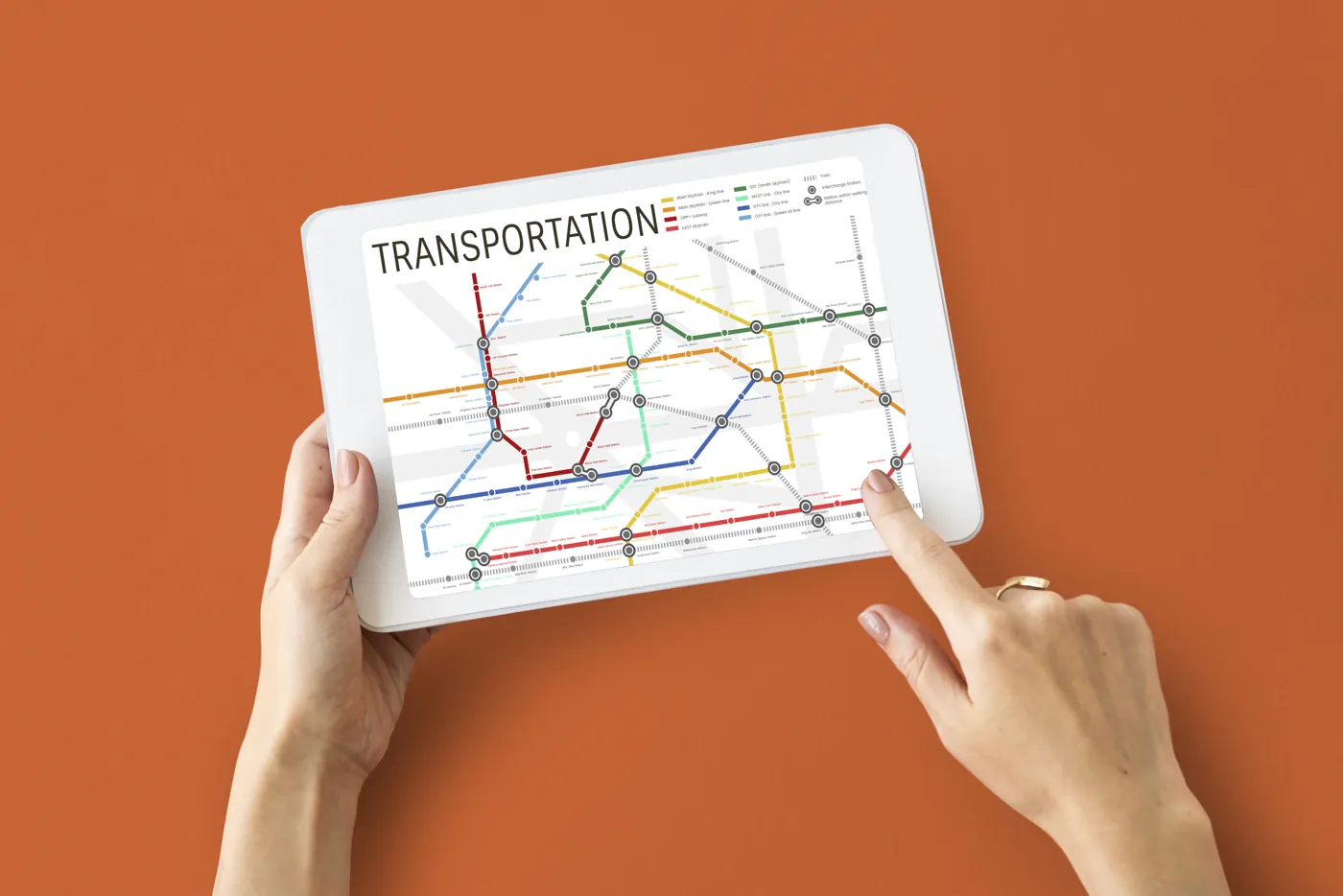
Transportation Options for University Students in UAE

Transportation Options for University Students in UAE

For many students in the UAE, the university day begins long before lectures start, with the commute. How students travel to and from campus quietly shapes punctuality, energy levels, study time, and overall academic performance. Understanding student transport UAE universities is not just about convenience; it is about managing academic pressure in a fast-moving education system. Why Transportation Matters More Than Students Realize Universities across Dubai, Abu Dhabi, Sharjah, Ajman, and other Emirates operate on tight academic schedules. Lectures begin early, tutorials run back-to-back, and assessment deadlines leave little room for delays. A poorly planned commute can turn into missed classes, rushed assignments, and unnecessary stress. This challenge becomes more serious because many institutions enforce strict attendance policies in UAE universities, where repeated late arrivals caused by transport delays can affect grades and academic standing. For students in UAE universities, many of which follow British, American, Australian, or blended academic systems, consistent attendance and time discipline are not optional. Transportation becomes part of an academic strategy, not a lifestyle detail. Understanding the UAE University Landscape and Commute Reality Diverse Campuses, Different Travel Demands UAE universities are not concentrated in a single academic district. Campuses are spread across urban centers, education cities, and suburban zones. A student studying in Dubai Academic City may face a very different commute than one attending a university in central Abu Dhabi or Sharjah. This geographic spread means students rely on a mix of: Public transport systems University shuttle services Private vehicles Ride-hailing platforms Each option carries academic implications that students often overlook until pressure builds. Academic Schedules and Travel Pressure Many universities in the UAE schedule: Early morning lectures Evening seminars Weekend classes Group project meetings outside standard hours Students juggling these schedules with long or unreliable commutes often experience fatigue that affects concentration, writing quality, and exam preparation. Public Transportation: Affordable but Demanding Discipline Metro and Bus Systems in Major Cities In cities like Dubai and Abu Dhabi, public transport networks are extensive and affordable. The Dubai Metro, RTA buses, and Abu Dhabi’s public bus services connect many student residential areas to university zones. For budget-conscious students, public transport is often the first choice. Academic Pros of Public Transport Public transportation can support academic routines when planned well: Predictable schedules encourage punctuality Commute time can be used for reading or revision Lower costs reduce financial stress Students who develop structured routines often find public transport manageable throughout the semester. Academic Challenges Students Face However, public transport demands discipline: Delays during peak hours Crowded conditions limiting study focus Longer travel times reducing rest and revision windows During exam seasons or submission-heavy weeks, these factors can significantly impact productivity. University Shuttle Services: Convenience with Limitations How Shuttle Services Operate Many UAE universities offer shuttle buses connecting campuses with nearby residential areas or metro stations. These services are popular among students who live off-campus but within designated zones. Academic Benefits of Shuttle Transport University shuttles provide: Reliable arrival times aligned with class schedules Reduced commuting stress Safe and supervised travel environments For first-year students and international learners, shuttle services often ease the transition into university life. Since most institutions rely on continuous evaluation, understanding assessment methods used in UAE universities highlights why even small transport disruptions can quickly snowball into missed preparation and rushed submissions. Constraints That Affect Academic Planning Despite convenience, shuttle services have limitations: Fixed routes and timings Limited flexibility for late-night study sessions Reduced availability during holidays or weekends Students relying solely on shuttles must plan carefully to avoid missing group meetings or extended library hours. Private Cars: Flexibility with Responsibility Why Many Students Choose Private Vehicles Students with access to private cars value the independence they offer. In the UAE, driving is common, and many students prefer door-to-door travel, especially when campuses are far from residential areas. Academic Advantages of Driving Private transport allows: Flexible schedules Easier access to libraries and labs Quick attendance at group meetings For students managing internships or part-time work alongside studies, this flexibility can support academic balance. Hidden Academic Costs Driving also introduces challenges: Traffic congestion during peak hours Parking limitations near campuses Mental fatigue from daily driving Students often underestimate how commuting stress affects writing clarity, focus, and deadline management. Ride-Hailing Services: Convenience at a Cost Growing Use Among UAE Students Ride-hailing platforms are increasingly popular among students who value flexibility but lack private vehicles. These services are commonly used during: Late-night study sessions Exam periods Missed shuttle timings Academic Upsides Ride-hailing offers: On-demand travel Reduced stress during urgent academic situations Time efficiency during peak deadlines Financial and Academic Trade-Offs Regular use can become expensive. Financial pressure often forces students to take on additional work hours, reducing available study time and increasing burnout during assessment-heavy periods. For students balancing studies with employment, commuting challenges intensify under UAE part-time work rules, where limited working hours still compete directly with study and travel time. Shared Housing and Transport Planning How Housing Location Shapes Transport Choices Students living in shared apartments often coordinate transport arrangements, carpooling or selecting residences near transit routes. Strategic housing decisions reduce commuting stress and protect study time. Academic Impact of Smart Location Choices Living near reliable transport: Improves attendance Supports consistent study routines Reduces last-minute academic panic Students who plan housing and transport together often experience smoother semesters. Transportation and Academic Writing Performance The Overlooked Connection Long or stressful commutes directly affect academic writing quality. Writing tasks demand sustained focus, critical thinking, and revision time, resources that diminish when students arrive home exhausted. Students under commuting pressure often: Rush essay drafts Skip revision stages Make citation errors Risk plagiarism due to poor time management This is where structured academic guidance becomes essential during peak pressure. Educational insights shared on the Homework and Assignment Helper blog help students understand how to protect writing quality even when time is limited. International Students: Navigating Transport and Academic Adjustment Additional Challenges for International Learners International students face: Unfamiliar transport systems Language barriers in navigation Cultural differences in time … Read more

Translate »