
homeworkandassignmenthelper.com

Change Major After Admission in UAE Universities

Can You Change Your Major After Admission in UAE Universities

Choosing a major is one of the most important academic decisions a student makes. Yet, it’s not uncommon for students in the UAE to realize after a semester or two that their initial choice doesn’t align with their interests, strengths, or career goals. The question then arises: can you change your major in a UAE university, and what does the process entail? Understanding Academic Flexibility in UAE Universities UAE universities, spanning Dubai, Abu Dhabi, Sharjah, Ajman, and beyond, offer a diverse range of programs influenced by British, American, Australian, and UAE national academic standards. Each institution has its policies regarding academic mobility, including the possibility of switching majors after admission. Why Flexibility Matters Changing majors can be critical for students who: Discover new interests after starting university Struggle with the academic demands of their current program Seek better alignment with UAE job market demands Wish to combine interdisciplinary skills for global opportunities Universities understand that students’ career goals may evolve, but the process is structured and requires careful planning. Academic planning also benefits from familiarity with UAE university class sizes, as course availability may affect major change timing. General Rules About Changing Majors While policies vary slightly between public and private universities in the UAE, some general rules apply across the board. Academic Performance Most universities require students to maintain a minimum GPA or grade threshold to be eligible for a major change. Poor performance may limit options or require remedial courses. Timing Matters Students usually must request a change within: The first year for undergraduate programs The first semester for highly specialized courses Late requests are less likely to be approved, as the new program may have specific prerequisite sequences. Availability of Seats Admission to a new major often depends on seat availability. Popular programs like business, engineering, and computer science may have limited openings. Accreditation and Degree Requirements UAE universities maintain strict curriculum structures aligned with national and international accreditation standards. Changing a major may mean: Completing additional prerequisites Extending your degree duration Adjusting academic timelines Steps to Change Your Major in UAE Universities The process typically involves multiple steps, including consultation, formal applications, and approvals. Step 1: Self-Assessment Before initiating a change, students should reflect on: Their academic strengths and weaknesses Personal interests and career aspirations Job market trends in the UAE and beyond For example, a student struggling in a STEM-heavy program may find a business or humanities major better suited for UAE internships and employment opportunities. Step 2: Academic Advising Most universities require a meeting with an academic advisor. Advisors can: Explain eligibility criteria Identify prerequisite courses needed Outline potential impact on graduation timelines Step 3: Formal Application Students submit an official request, often including: Reason for the change Academic transcripts Letters of recommendation or advisor support Step 4: Departmental Review The target department reviews the application, considering: Student performance Program capacity Compatibility with prerequisites Step 5: Administrative Approval Once approved by the department, the registrar or academic affairs office finalizes the change. Step 6: Academic Planning The student must then adjust course registration and academic plans, possibly extending semesters or taking summer courses to meet graduation requirements. Maintaining strong language and writing skills is essential, so reviewing English proficiency in UAE universities helps students adapt to new assignment expectations. Challenges Students Face When Changing Majors Switching majors is possible, but students should be aware of the challenges. Extended Degree Duration Changing from one program to another, especially between disciplines like engineering to business, can add 1–2 semesters to your study plan. Increased Workload Students may need to catch up on prerequisite courses, manage overlapping assignments, or take summer courses to stay on track. Financial Considerations Additional semesters can increase tuition costs, living expenses, and other academic fees. Competitive Approval Popular majors may have stringent entry requirements, making approval more selective. Public vs Private Universities: Differences in Policies Public universities in the UAE (e.g., UAE University, University of Sharjah) often have structured regulations with limited flexibility. Approval usually depends on: Academic merit Space availability Strategic departmental considerations Private universities (e.g., American University in Dubai, Canadian University Dubai) may offer slightly more flexibility, often guided by student demand and program capacity. However, they still maintain strict prerequisites and academic standards. For students considering non-STEM options, resources on studying without a science background provide guidance on realistic pathways. Tips for Successfully Changing Majors in UAE Universities 1. Start Early Submit requests as soon as you recognize the need. The earlier you act, the higher your chances of approval and minimal disruption to your academic plan. 2. Maintain Strong Academic Performance Even if your current major feels misaligned, keeping good grades is crucial. Many universities use GPA thresholds as a key eligibility criterion. 3. Seek Guidance from Career Services UAE universities often provide career counseling that can help identify majors aligned with job opportunities in Dubai, Abu Dhabi, or other Emirates. 4. Understand Job Market Trends Switching to a program in high-demand fields like IT, healthcare, or finance in the UAE may improve internship and employment prospects. 5. Plan Your Course Load Strategically After approval, work with advisors to balance prerequisites and core courses to minimize extension of graduation timelines. Academic and Personal Implications of Changing Majors Academic Writing Considerations Students moving into new majors may face different academic writing standards. For instance: Humanities programs emphasize essays, citations, and critical analysis STEM programs focus on lab reports, technical writing, and structured problem-solving Understanding these expectations early can help maintain performance in assignments and projects. Social and Peer Networks Changing majors may also affect social integration. Students may need to build new study groups and networks, especially in the UAE’s multicultural campuses. Real-World Examples   A student in mechanical engineering at a Dubai university may realize their strengths lie in business management. After consulting advisors and submitting an application, they switch to a management program, attend prerequisite accounting courses over summer, and complete the degree with a minor in technology management. Another student in computer science at Abu … Read more

Part-Time Work Rules for International Students in UAE

Part-Time Work Rules for International Students in UAE

For many international students in the UAE, balancing studies with part-time work feels like a financial necessity rather than a choice. Tuition fees, accommodation costs, and daily expenses add pressure to already demanding academic schedules. Understanding part time work students UAE rules clearly, and realistically, helps students protect their visas, grades, and long-term academic goals. Why International Students in the UAE Consider Part-Time Work Studying in the UAE offers access to globally recognized universities, multicultural campuses, and strong career exposure. However, the cost of living in cities like Dubai and Abu Dhabi can be challenging, especially for students supporting themselves. Students usually seek part-time work to: Cover living expenses Gain practical experience Build confidence in professional environments Reduce reliance on family funding At the same time, UAE universities operate under strict academic and legal frameworks. Working without understanding regulations can lead to visa violations, academic penalties, or unnecessary stress during assessment periods. Understanding the Legal Framework for Student Employment in the UAE Who Is Allowed to Work Part-Time? International students in the UAE are not automatically permitted to work. Eligibility depends on: Visa type University approval Age requirements Employer compliance with UAE labor laws Most students studying at accredited universities in Dubai, Abu Dhabi, Sharjah, or Ajman must obtain proper authorization before starting any paid work. The Role of Student Visas Student visas in the UAE are primarily issued for educational purposes. Any form of employment, on-campus or off-campus, requires additional permission. Working without approval can result in: Visa cancellation Fines Academic consequences Difficulty renewing residency Understanding these boundaries early prevents serious complications later in the academic journey. Many students only realize the seriousness of violations after facing consequences outlined in common UAE student visa rejection reasons, which often include unauthorized employment. On-Campus Part-Time Work: The Safest Option What Counts as On-Campus Work? On-campus employment typically includes roles within the university, such as: Library assistants Administrative support Research helpers IT or lab assistants These roles are usually coordinated through university departments and comply with visa regulations. Academic Advantages of On-Campus Jobs On-campus work is often designed around academic schedules. Benefits include: Flexible hours during exams Proximity to classes and libraries Academic skill development Reduced commuting time Students working on campus often maintain better attendance and manage deadlines more consistently. Limitations Students Should Know On-campus roles are limited in number and may not offer high pay. Competition can be strong, especially in popular universities in Dubai and Abu Dhabi. Still, from a legal and academic standpoint, this option remains the least risky. Off-Campus Part-Time Work: Rules, Restrictions, and Reality Is Off-Campus Work Allowed? Yes, but only under specific conditions. Some Emirates allow international students to work off-campus if: The student holds a valid work permit The employer is registered and approved The university provides a no-objection certificate (NOC) Rules can differ based on location and visa sponsor, making it essential to verify requirements before accepting any job. Common Off-Campus Roles Students Seek International students often look for: Retail or customer service roles Hospitality jobs Event-based temporary work Internships linked to academic programs While these roles can provide income and experience, they require strict compliance with UAE labor laws. Balancing shifts with coursework becomes even more difficult under strict attendance policies in UAE universities, where work commitments are rarely accepted as valid excuses for absences. Risks of Informal Employment Many students are tempted by informal or cash-based work. This is one of the biggest risks international students take. Unauthorized work can lead to: Immediate visa issues University disciplinary action Loss of future employment opportunities Increased academic stress No amount of short-term income compensates for long-term academic or legal damage. How Part-Time Work Impacts Academic Performance Time Pressure and Assignment Quality UAE universities follow continuous assessment models. Essays, reports, presentations, and exams often overlap within short timeframes. Students working part-time frequently face: Reduced study hours Fatigue affecting concentration Rushed writing and poor revision Missed deadlines These pressures directly affect grades, especially in writing-intensive courses. Academic Writing Under Work Stress Academic writing requires focus, planning, and multiple drafts. Students balancing work shifts with coursework often struggle to: Structure arguments properly Apply correct referencing styles Avoid accidental plagiarism Meet grading rubrics This is why many students seek guidance during peak submission periods. Resources available through the Homework and Assignment Helper blog help students understand expectations before academic pressure escalates. University Policies: What Institutions Expect from Working Students Attendance and Participation Rules Universities in Dubai, Abu Dhabi, and Sharjah enforce attendance policies strictly. Missing classes due to work commitments is rarely accepted as a valid excuse. Low attendance can lead to: Grade penalties Exam ineligibility Course repetition Assessment Integrity and Deadlines Regardless of employment status, students are expected to: Submit original work Follow citation guidelines Meet deadlines without extensions Universities do not adjust academic standards to accommodate part-time work. Because most institutions rely on ongoing evaluation, understanding assessment methods used in UAE universities helps working students anticipate peak workload periods before accepting additional shifts. International Students and Cultural Adjustment Managing Expectations in a New Academic Culture International students often underestimate how demanding UAE academic standards can be. Many institutions follow British or American assessment models emphasizing: Independent research Critical analysis Formal academic tone Adding part-time work without preparation can intensify adjustment challenges. Language Barriers and Work Stress Students studying in English-medium programs may already invest extra time in reading and writing. Work commitments reduce the time available to: Edit language Clarify arguments Check citations This increases the risk of lower grades or academic misconduct. Visa Compliance and Employer Responsibilities What Employers Must Provide Approved employers are required to: Issue legal contracts Respect student work-hour limits Register employment properly Students should never accept roles without documentation, even for short-term work. Monitoring Work Hours Exceeding allowed work hours, even with permission, can result in violations. Students must balance income goals with legal and academic safety. Balancing Work, Study, and Well-Being Recognizing Burnout Signals Working students often experience: Chronic fatigue Reduced motivation Declining academic performance Increased anxiety near … Read more

Transportation Options for University Students in UAE

Transportation Options for University Students in UAE

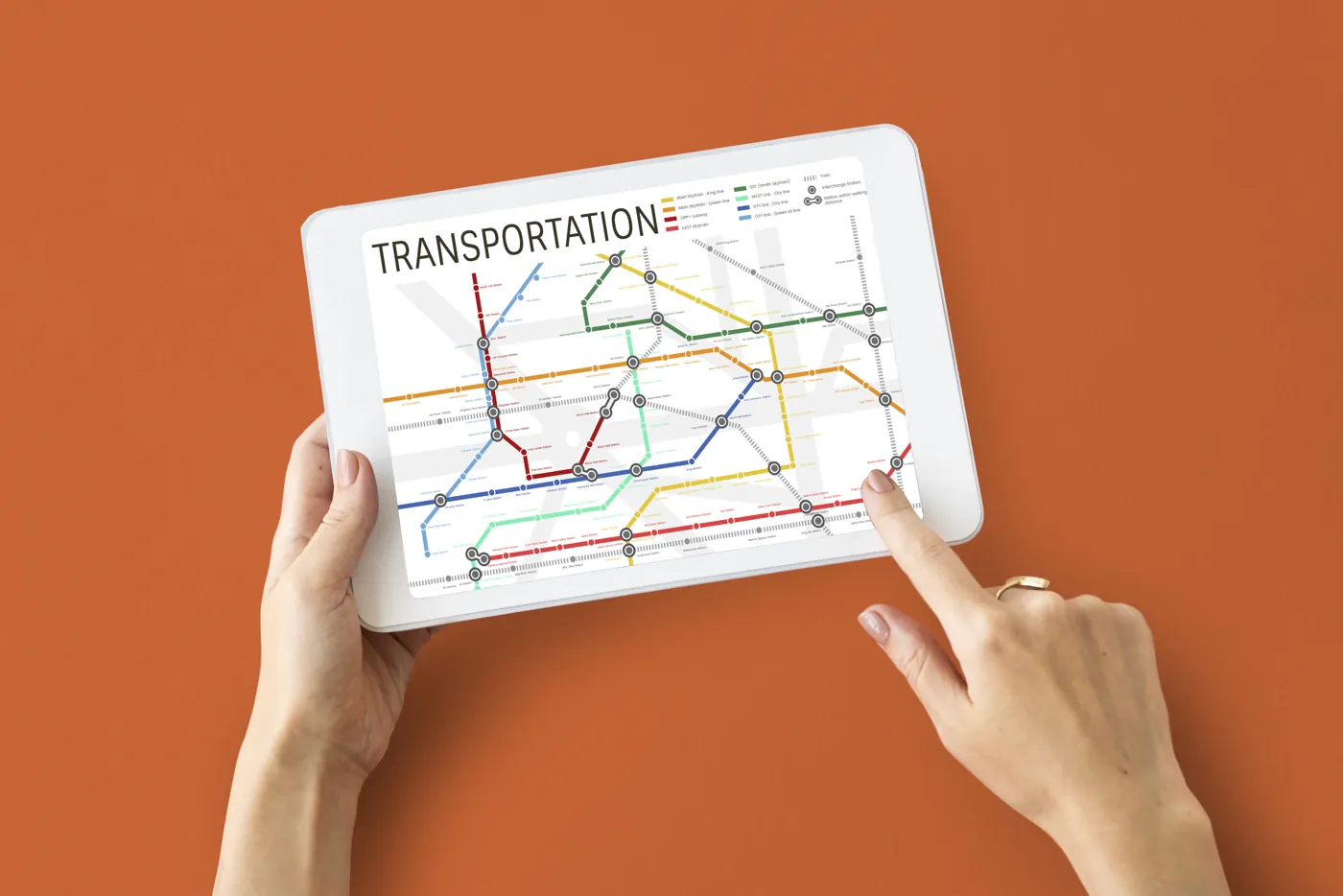
For many students in the UAE, the university day begins long before lectures start, with the commute. How students travel to and from campus quietly shapes punctuality, energy levels, study time, and overall academic performance. Understanding student transport UAE universities is not just about convenience; it is about managing academic pressure in a fast-moving education system. Why Transportation Matters More Than Students Realize Universities across Dubai, Abu Dhabi, Sharjah, Ajman, and other Emirates operate on tight academic schedules. Lectures begin early, tutorials run back-to-back, and assessment deadlines leave little room for delays. A poorly planned commute can turn into missed classes, rushed assignments, and unnecessary stress. This challenge becomes more serious because many institutions enforce strict attendance policies in UAE universities, where repeated late arrivals caused by transport delays can affect grades and academic standing. For students in UAE universities, many of which follow British, American, Australian, or blended academic systems, consistent attendance and time discipline are not optional. Transportation becomes part of an academic strategy, not a lifestyle detail. Understanding the UAE University Landscape and Commute Reality Diverse Campuses, Different Travel Demands UAE universities are not concentrated in a single academic district. Campuses are spread across urban centers, education cities, and suburban zones. A student studying in Dubai Academic City may face a very different commute than one attending a university in central Abu Dhabi or Sharjah. This geographic spread means students rely on a mix of: Public transport systems University shuttle services Private vehicles Ride-hailing platforms Each option carries academic implications that students often overlook until pressure builds. Academic Schedules and Travel Pressure Many universities in the UAE schedule: Early morning lectures Evening seminars Weekend classes Group project meetings outside standard hours Students juggling these schedules with long or unreliable commutes often experience fatigue that affects concentration, writing quality, and exam preparation. Public Transportation: Affordable but Demanding Discipline Metro and Bus Systems in Major Cities In cities like Dubai and Abu Dhabi, public transport networks are extensive and affordable. The Dubai Metro, RTA buses, and Abu Dhabi’s public bus services connect many student residential areas to university zones. For budget-conscious students, public transport is often the first choice. Academic Pros of Public Transport Public transportation can support academic routines when planned well: Predictable schedules encourage punctuality Commute time can be used for reading or revision Lower costs reduce financial stress Students who develop structured routines often find public transport manageable throughout the semester. Academic Challenges Students Face However, public transport demands discipline: Delays during peak hours Crowded conditions limiting study focus Longer travel times reducing rest and revision windows During exam seasons or submission-heavy weeks, these factors can significantly impact productivity. University Shuttle Services: Convenience with Limitations How Shuttle Services Operate Many UAE universities offer shuttle buses connecting campuses with nearby residential areas or metro stations. These services are popular among students who live off-campus but within designated zones. Academic Benefits of Shuttle Transport University shuttles provide: Reliable arrival times aligned with class schedules Reduced commuting stress Safe and supervised travel environments For first-year students and international learners, shuttle services often ease the transition into university life. Since most institutions rely on continuous evaluation, understanding assessment methods used in UAE universities highlights why even small transport disruptions can quickly snowball into missed preparation and rushed submissions. Constraints That Affect Academic Planning Despite convenience, shuttle services have limitations: Fixed routes and timings Limited flexibility for late-night study sessions Reduced availability during holidays or weekends Students relying solely on shuttles must plan carefully to avoid missing group meetings or extended library hours. Private Cars: Flexibility with Responsibility Why Many Students Choose Private Vehicles Students with access to private cars value the independence they offer. In the UAE, driving is common, and many students prefer door-to-door travel, especially when campuses are far from residential areas. Academic Advantages of Driving Private transport allows: Flexible schedules Easier access to libraries and labs Quick attendance at group meetings For students managing internships or part-time work alongside studies, this flexibility can support academic balance. Hidden Academic Costs Driving also introduces challenges: Traffic congestion during peak hours Parking limitations near campuses Mental fatigue from daily driving Students often underestimate how commuting stress affects writing clarity, focus, and deadline management. Ride-Hailing Services: Convenience at a Cost Growing Use Among UAE Students Ride-hailing platforms are increasingly popular among students who value flexibility but lack private vehicles. These services are commonly used during: Late-night study sessions Exam periods Missed shuttle timings Academic Upsides Ride-hailing offers: On-demand travel Reduced stress during urgent academic situations Time efficiency during peak deadlines Financial and Academic Trade-Offs Regular use can become expensive. Financial pressure often forces students to take on additional work hours, reducing available study time and increasing burnout during assessment-heavy periods. For students balancing studies with employment, commuting challenges intensify under UAE part-time work rules, where limited working hours still compete directly with study and travel time. Shared Housing and Transport Planning How Housing Location Shapes Transport Choices Students living in shared apartments often coordinate transport arrangements, carpooling or selecting residences near transit routes. Strategic housing decisions reduce commuting stress and protect study time. Academic Impact of Smart Location Choices Living near reliable transport: Improves attendance Supports consistent study routines Reduces last-minute academic panic Students who plan housing and transport together often experience smoother semesters. Transportation and Academic Writing Performance The Overlooked Connection Long or stressful commutes directly affect academic writing quality. Writing tasks demand sustained focus, critical thinking, and revision time, resources that diminish when students arrive home exhausted. Students under commuting pressure often: Rush essay drafts Skip revision stages Make citation errors Risk plagiarism due to poor time management This is where structured academic guidance becomes essential during peak pressure. Educational insights shared on the Homework and Assignment Helper blog help students understand how to protect writing quality even when time is limited. International Students: Navigating Transport and Academic Adjustment Additional Challenges for International Learners International students face: Unfamiliar transport systems Language barriers in navigation Cultural differences in time … Read more

On-Campus vs Off-Campus Life in UAE Universities

On-Campus vs Off-Campus Life in UAE Universities

University life in the UAE moves quickly, and students often underestimate how much their living environment influences academic performance. From assignment preparation to exam readiness, daily surroundings quietly shape focus, discipline, and time management. Understanding the realities of campus life UAE universities compared with off-campus living helps students make smarter decisions that align with academic expectations, not just lifestyle preferences. For off-campus students, daily commuting adds a hidden academic cost, as limited and time-sensitive transportation options across the UAE often reduce available study hours during peak submission periods. Why Housing Decisions Matter More Than Students Expect UAE universities follow demanding academic calendars influenced by British, American, Australian, and international education systems. Assessments are continuous, deadlines are strict, and grading rubrics reward depth, structure, and academic precision. Where a student lives affects: Study consistency Access to academic resources Stress levels during submission periods Ability to meet high writing and referencing standards For students in UAE institutions, housing is not simply a comfort issue, it is an academic strategy. Understanding Campus Life in UAE Universities The Structure of On-Campus Living On-campus accommodation in the UAE is purpose-built around academic discipline. Most universities in Dubai, Abu Dhabi, Sharjah, and Ajman provide regulated residences that include shared rooms or studio apartments, meal plans, security, and designated study areas. Daily routines are predictable. Students live close to lecture halls, libraries, laboratories, and academic support offices. This proximity plays a critical role during intensive coursework weeks. Academic Benefits of Living on Campus Students living on campus are naturally immersed in academic culture. This environment encourages regular study habits and timely completion of coursework. Key academic advantages include: Immediate access to libraries and digital databases Easier communication with professors and teaching assistants Quick coordination for group assignments Greater awareness of academic workshops and deadlines For students still learning academic writing conventions, such as structured argumentation, citation accuracy, and plagiarism avoidance, on-campus life often provides valuable institutional guidance. The pressure intensifies because many institutions enforce strict attendance policies in UAE universities, making missed classes or late arrivals academically risky for students managing long commutes. Support for International and First-Year Students International students adjusting to UAE academic expectations benefit greatly from on-campus resources. Many universities offer: Writing labs Language support sessions Orientation programs focused on academic integrity Peer mentoring These services are easier to access when students live within the campus environment, especially during the first year. Social Environment and Cultural Sensitivity Campus life in UAE universities is professionally managed and culturally respectful. Social activities are structured, inclusive, and aligned with local norms. While this environment may feel controlled to some students, it often reduces distractions during high-pressure academic periods. Limitations of On-Campus Living Despite its benefits, on-campus housing has drawbacks: Limited privacy Fixed rules and curfews Less independence in daily decision-making Higher costs at some institutions As students progress into advanced coursework or research-focused programs, they may feel constrained by campus routines that no longer match their academic maturity. Off-Campus Life: Independence with Academic Responsibility What Off-Campus Living Means in the UAE Off-campus living involves renting apartments or shared housing across Emirates such as Dubai, Abu Dhabi, Sharjah, or Ajman. Students manage their own schedules, transportation, and household responsibilities while attending university. This option is common among senior undergraduates, postgraduate students, and those balancing internships or professional commitments. Flexibility and Academic Autonomy Off-campus living offers control over time and space. Students can design personalized study environments and work according to their most productive hours. Potential academic advantages include: Customized study schedules Quiet environments for research and writing Greater independence in managing deadlines Flexibility for internships and part-time roles For disciplined students, off-campus life can support deeper engagement with complex academic tasks such as research papers and final-year projects. Common Academic Challenges Off-Campus Students Face Independence also brings challenges that directly affect coursework: Long commutes reducing available study time Household distractions during assessment periods Difficulty coordinating group assignments Reduced access to on-campus academic support Many students underestimate how quickly these factors compound during overlapping deadlines. How Living Arrangements Affect Assignment Performance Time Management Under UAE Academic Pressure UAE universities are known for dense semesters. Multiple assessments often overlap, leaving little margin for delay. On-campus students benefit from structured routines that reinforce consistency. Off-campus students must actively create discipline to avoid last-minute academic stress. Group Projects and Collaborative Learning Group assignments are common across universities in Dubai and Abu Dhabi. Students living on campus coordinate meetings more easily, while off-campus students often struggle to align schedules due to commuting and personal obligations. Delayed collaboration can negatively affect: Project quality Peer evaluations Final grades Writing Quality and Cognitive Focus Academic writing requires uninterrupted concentration. Living environments directly influence: Research depth Draft revision quality Citation accuracy Compliance with plagiarism policies Students juggling commuting, household tasks, and coursework often face time pressure that compromises writing quality. This is why many students seek structured academic guidance during peak submission periods. Academic insights and preparation strategies shared on the Homework and Assignment Helper blog help students understand expectations before deadlines become overwhelming. Financial Considerations and Academic Trade-Offs Cost Differences Between On-Campus and Off-Campus Living On-campus housing usually includes utilities, internet, and meals, creating predictable expenses. Off-campus living may appear cheaper but often includes hidden costs such as: Transportation Utility bills Furnishings Maintenance Financial stress frequently impacts academic focus. Students working additional hours to cover living expenses often struggle during exam-heavy or writing-intensive semesters. Evaluating Cost Through an Academic Lens Lower rent does not guarantee better outcomes if academic performance suffers. Many students reconsider housing choices after experiencing burnout during critical assessment phases. Repeated delays, rushed submissions, or missed deadlines can place students at risk under formal academic probation rules in UAE universities, where performance drops carry serious academic consequences. International Students and Academic Adjustment International students face added challenges beyond coursework, including: Language expectations Referencing systems Academic integrity rules On-campus living often accelerates adjustment by providing access to institutional support. Off-campus international students must proactively seek guidance to maintain academic standards. Students enrolled in … Read more

Translate »