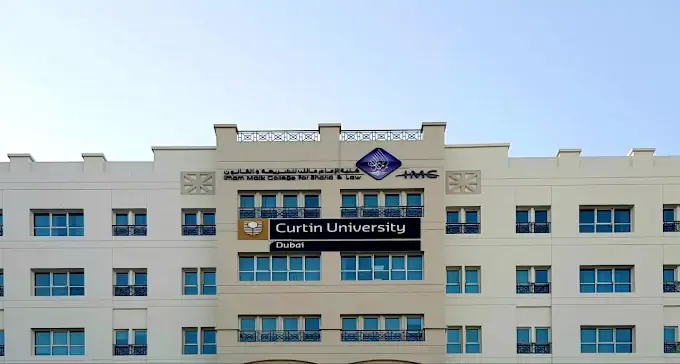
Manipal Academy of Higher Education Dubai Complete Guide

Manipal Academy of Higher Education Dubai (MAHE Dubai) is a well-established international university campus in the United Arab Emirates, operating as a branch of the Manipal Academy of Higher Education, India. The institution is known for offering professionally oriented undergraduate and postgraduate programs across multiple disciplines. The purpose of this guide is to provide students with a clear, structured, and factual overview of Manipal Academy of Higher Education Dubai. It covers academics, accreditation, admissions, campus life, and career prospects to support informed decision-making. This article is designed for UAE-based students, international students planning to study in Dubai, parents evaluating higher education options, and education consultants guiding students toward suitable universities. Overview of the University Background and Establishment Manipal Academy of Higher Education Dubai was established in 2000, becoming the first international branch campus of the Manipal Academy of Higher Education. The parent institution has decades of experience in higher education and is recognized for its focus on professional and technical programs. Vision, Mission, and Academic Philosophy The university’s vision is to provide globally relevant education that balances academic depth with practical learning. Its mission emphasizes intellectual development, professional competence, and ethical responsibility. Academic programs are structured to combine theoretical foundations with applied learning. Reputation in the UAE and Internationally Within the UAE, MAHE Dubai has built a strong reputation for consistency, program diversity, and academic standards. Internationally, the Manipal name is associated with professional education and global academic collaboration, supporting recognition among employers and academic institutions. Campus Overview Campus Location The campus is located in Dubai International Academic City, one of the UAE’s main higher education hubs. This location offers accessibility to residential communities and major business areas. Reason for Establishment The Dubai campus was established to serve students in the Middle East seeking internationally aligned education without relocating to distant countries. Dubai’s global outlook and multicultural population make it a strategic location for international education. Campus Environment and Learning Atmosphere The campus environment is modern and academically focused. Students from diverse cultural and national backgrounds contribute to an inclusive and collaborative learning atmosphere that supports academic and personal growth. Accreditation & Recognition Regulatory Approval Manipal Academy of Higher Education Dubai is licensed by the Knowledge and Human Development Authority (KHDA), ensuring compliance with UAE higher education regulations. Degree Recognition Degrees awarded by the university are generally recognized locally and internationally, subject to the policies of individual countries and credential evaluation bodies. Employment Suitability Graduates are typically eligible for employment in the UAE’s private sector and may qualify for government or regulated roles depending on specific authority requirements. Colleges & Academic Programs Offered School of Engineering and Information Technology Undergraduate Programs Computer Science Engineering Information Technology Electrical and Electronics Engineering Mechanical Engineering Postgraduate Programs Master’s programs in engineering and technology-related fields These programs emphasize technical knowledge, applied skills, and problem-solving through laboratory work and projects. School of Business Undergraduate Programs Bachelor of Business Administration with various specializations Postgraduate Programs Master of Business Administration The business curriculum focuses on management fundamentals, leadership skills, and real-world business applications. School of Media and Communication Undergraduate Programs Media and Communication Journalism and Mass Communication Programs combine theoretical media studies with practical production and communication skills. School of Architecture and Design Undergraduate Programs Architecture Interior Design Studio-based learning encourages creativity, technical competence, and design thinking. School of Life Sciences Undergraduate Programs Biotechnology and related disciplines These programs focus on scientific fundamentals, laboratory training, and applied research concepts. Admission Requirements Undergraduate Admission Requirements Applicants must have completed a recognized secondary school qualification. Subject-specific requirements may apply depending on the chosen program. Postgraduate Admission Requirements Applicants must hold a recognized bachelor’s degree in a relevant discipline. Minimum GPA requirements may vary by program. English Language Requirements Students may need to submit IELTS, TOEFL, or equivalent English proficiency scores unless exempt based on prior education in English. Transfer Students Credit transfer is possible for students who have completed coursework at recognized institutions, subject to academic evaluation and university policy. Tuition Fees & Scholarships Fee Structure Overview Tuition fees vary by program and level of study. Technical and professional programs generally have different fee structures compared to general academic programs. Additional Fees Students should consider registration fees, examination fees, laboratory charges, and learning material costs. Scholarships and Financial Support The university may offer merit-based or need-based scholarships, subject to eligibility criteria and availability. Campus Facilities & Student Life Academic Facilities The campus includes modern classrooms, specialized laboratories, computer labs, design studios, and library facilities with digital and physical resources. Student Services and Support Support services include academic advising, counseling, administrative assistance, and career guidance. Clubs and Campus Engagement Students can participate in cultural clubs, academic societies, events, and competitions that promote leadership, teamwork, and campus involvement. Faculty & Teaching Approach Faculty Qualifications Faculty members generally hold advanced academic qualifications and bring a mix of teaching and industry experience. Teaching Methodology Teaching methods include lectures, case studies, group projects, presentations, and practical assignments. Industry-Aligned Curriculum Programs are periodically reviewed to remain aligned with industry needs and professional standards. Career Opportunities & Industry Connections Internships and Practical Exposure Many programs include internships or project-based learning to provide real-world experience. Career Services Career support includes resume workshops, interview preparation, career counseling, and job search assistance. Industry Partnerships The university maintains relationships with regional and international organizations to support student employability. Why Choose This University? Key Advantages Established international academic brand Wide range of professional programs Multicultural learning environment Focus on practical and career-oriented education Ideal Student Profiles MAHE Dubai is suitable for students seeking professional education, international exposure, and structured academic programs within the UAE. Pros & Cons Pros Broad selection of undergraduate and postgraduate programs Long-standing presence in Dubai International academic reputation Practical learning approach Cons Tuition costs may be higher than some local institutions Limited university-managed accommodation Competitive entry for select programs Frequently Asked Questions (FAQs) Q1. Is the university accredited? A. Yes, it is licensed by KHDA and operates under UAE higher education regulations. Q2. Are degrees internationally … Read more