
homeworkandassignmenthelper.com

Impact of Curriculum Internationalization on Student Skills

Assignment Instructions: Report Writing on Impact of Curriculum Internationalization on Student Skills Assignment 26 This assignment of topic Impact of Curriculum Internationalization constitutes 100% of your module assessment. All work must be submitted via Turnitin. Submissions by email, pen drive, or hard copy will not be accepted. Include only your Student Reference Number (SRN). The report must be 2,000 to 2,500 words, excluding references and appendices. Submissions outside this range may affect evaluation of analytical depth and clarity. The assignment carries 100 marks, with a minimum of 50% required to pass. Use Harvard referencing consistently. AI tools may only assist in language refinement or formatting. Context Overview Curriculum Internationalization Internationalization of curricula is a growing priority in UAE higher education. By integrating global perspectives, international case studies, and cross-cultural competencies, universities aim to prepare students for global labour markets while enhancing local relevance. However, internationalization also introduces challenges in skill acquisition, cultural adaptation, and curriculum design, affecting student outcomes across cognitive, interpersonal, and professional domains. This assignment invites you to critically examine how curriculum internationalization influences student skills development, evaluating both opportunities and constraints within UAE universities. Learning Outcomes Students completing this assignment will be able to: Analyse how internationalized curricula impact cognitive, professional, and intercultural skills Evaluate stakeholder perspectives, including students, faculty, and employers Critically assess secondary data on student skill development and curriculum effectiveness Develop evidence-based recommendations for optimizing internationalization strategies Apply empirical research and UAE-specific examples to inform practical conclusions Report Components Executive Overview Present a 400–500 word synthesis of your report, highlighting key findings, impacts on student skills, and recommendations. Emphasize strategic insights and actionable takeaways rather than narrative description. Global Perspectives in Local Classrooms Integration of International Content Analyse how international frameworks, case studies, and learning outcomes are incorporated into UAE curricula. Discuss challenges such as alignment with local regulations, relevance to industry, and academic rigor. Provide examples of successful integration in UAE universities. Student Skill Development Evaluate how internationalized curricula influence critical thinking, problem-solving, intercultural communication, and professional readiness. Consider disparities in student adaptation, language proficiency, and engagement with global content. Stakeholder Implications Faculty Expertise and Professional Development Assess faculty readiness to deliver internationalized content effectively. Examine professional development programs, training in global pedagogical methods, and cross-cultural competence. Administrative and Institutional Support Analyse how university leadership, policy frameworks, and resource allocation affect curriculum internationalization outcomes. Consider alignment with UAE Vision 2031 and broader national educational priorities. Employer and Industry Perspectives Explore how internationalized curricula prepare students for labor market demands. Discuss employer expectations regarding global competence and employability skills. Critical Evaluation Evidence-Based Analysis Examine secondary sources including peer-reviewed studies, Ministry of Education reports, and institutional surveys. Compare outcomes in UAE universities with international benchmarks in skill acquisition. Identify trends, strengths, and gaps in student preparedness for global and local employment. Practical Constraints Discuss operational and systemic challenges such as curriculum standardization, assessment alignment, and equity in access to international content. Identify areas where internationalization may conflict with cultural or pedagogical priorities. Strategic Recommendations Develop evidence-based recommendations to enhance student skill development through curriculum internationalization: Faculty training in global pedagogical approaches and intercultural competency Curriculum redesign to balance local relevance with international perspectives Enhanced assessment methods to capture cognitive and professional skill outcomes Collaboration with international institutions to ensure exposure to global best practices Justify each recommendation using empirical data and UAE-specific examples. Future Directions Explore long-term impacts of curriculum internationalization on employability, academic mobility, and professional skillsets. Suggest avenues for research, policy refinement, and innovative approaches to optimize internationalized curricula in UAE higher education. Presentation Guidelines Maintain formal academic writing style with clear headings. Include tables, figures, and appendices as required, clearly labeled. Apply Harvard referencing consistently. Demonstrate analytical depth through diverse academic, policy, and industry sources, including UAE Ministry of Education reports and peer-reviewed journals. Avoid traditional introduction–body–conclusion structure; instead, focus on evidence-driven flow and discussion. This assignment encourages students to critically examine the intersection of global perspectives and local educational practice, analysing how curriculum internationalization shapes student skills and readiness for professional and intercultural challenges.
Online vs Traditional Learning Effectiveness in UAE

Assignment Instructions: Report Writing on Online vs Traditional Learning Effectiveness in UAE Universities Assignment 24 This assessment (Online vs Traditional Learning) represents 100% of the module grade. All submissions must be uploaded via Turnitin; email, hard copy, or pen drive submissions will not be accepted. Include only your Student Reference Number (SRN). The word count is 2,000 to 2,500 words. Submissions outside this range may compromise analytical depth. The assignment carries 100 marks, with a minimum 50% required to pass. Use Harvard referencing consistently for all sources. AI may be used only for draft refinement and language corrections, not content generation. Context Overview Evolving Learning Modalities in UAE Higher Education The UAE has witnessed a shift in higher education delivery models, accelerated by digital transformation and recent global events. Universities now offer a mix of online, hybrid, and traditional in-person learning, each presenting distinct advantages, limitations, and implications for student performance, engagement, and employability. Your report will explore the comparative effectiveness of online versus traditional learning, considering student outcomes, institutional strategies, technological integration, and stakeholder perceptions. Learning Outcomes After completing this assignment, students will be able to: Evaluate the effectiveness of online and traditional learning approaches in UAE universities Analyse student engagement, performance metrics, and experiential learning outcomes Examine institutional strategies and technological frameworks supporting learning delivery Develop evidence-based recommendations for enhancing learning effectiveness Critically assess secondary data and contextual trends specific to the UAE higher education sector Report Components Executive Overview Summarize the full report in 400–500 words, covering the scope of the study, key findings, stakeholder impacts, and recommendations. Focus on strategic insights rather than descriptive content. Transforming Student Learning Experiences Shifts in Pedagogy and Delivery Discuss changes in curriculum delivery methods, highlighting differences in online and face-to-face teaching. Explore implications for student comprehension, interaction, and retention of knowledge. Measuring Effectiveness Review learning effectiveness metrics: academic performance, engagement, digital literacy, and experiential learning opportunities. Examine research findings and institutional data from UAE universities. Stakeholder Perspectives Institutional Strategies and Faculty Insights Evaluate how universities implement online learning platforms, hybrid models, and digital tools. Discuss faculty adaptation, training, and perceptions of teaching effectiveness. Student Engagement and Satisfaction Analyse student perspectives on online versus traditional learning, including motivation, accessibility, and practical skill development. Include illustrative examples from UAE higher education contexts. Analytical Evaluation Evidence-Based Assessment Critically examine secondary sources such as academic research, government reports, and institutional surveys. Compare online and traditional learning outcomes, noting trends, patterns, and sector-specific factors. Challenges and Limitations Discuss barriers including technological access, digital fatigue, limited experiential opportunities, and potential inequalities. Address limitations of existing studies and data reliability. Strategic Recommendations Propose actionable strategies to improve learning effectiveness, such as: Optimizing blended learning approaches for engagement and knowledge retention Enhancing faculty digital competency and curriculum design Strengthening student support systems for online environments Leveraging analytics to monitor and improve learning outcomes Justify recommendations with evidence from UAE case studies, academic research, and best practices. Future Directions Explore the long-term implications of online learning on graduate readiness, workforce skills, and university competitiveness. Highlight opportunities for innovation, sustainable digital infrastructure, and ongoing evaluation of learning modalities. Presentation Requirements Apply Harvard referencing throughout. Maintain professional headings. Include tables, figures, and appendices as needed, clearly labeled. Ensure logical flow, readability, and smooth transitions while avoiding traditional introduction–body–conclusion structure. Demonstrate broad engagement with academic journals, government reports, and institutional research. This assignment encourages students to integrate comparative analysis, educational research, and stakeholder perspectives to evaluate the effectiveness of online and traditional learning in UAE universities, producing practical and evidence-based recommendations.

Youth volunteerism and community service in the Emirates

Assignment Instructions: Report Writing on Youth volunteerism and community service in the Emirates Assignment 12 Academic Scope, Weighting, and Submission Conditions This assignment stands as the sole assessed component for the module and is evaluated as an integrated academic piece rather than a collection of separate tasks. Your paper should fall within 2,000 to 2,500 words, a range chosen to allow depth without encouraging unnecessary expansion. Work submitted outside this range is unlikely to meet assessment expectations. All submissions must be uploaded through the university’s Turnitin platform. Submissions delivered through email, portable storage devices, or printed copies fall outside institutional procedures and will not be considered. Your work must remain anonymous and display only your Student Reference Number (SRN). Any identifying information compromises assessment integrity. The marking scheme operates on a 100-mark scale, with 50% as the minimum passing threshold. Academic honesty is central to this task. All sources, scholarly articles, policy documents, reports, or credible media, must be acknowledged using the Harvard Referencing System. Unattributed material will be treated as plagiarism. AI-based tools may be used only after drafting, for language refinement or surface-level clarity. They may not be used to generate ideas, arguments, or analysis. Intellectual responsibility for the work rests entirely with you. Academic Orientation of the Assessment Youth volunteerism and community service occupy a distinctive position in the social and developmental agenda of the United Arab Emirates. Volunteer initiatives are closely linked to national identity, social cohesion, civic responsibility, and youth empowerment. Universities in the Emirates play a key role in shaping how young people understand and engage with community service, both formally and informally. This assignment asks you to examine youth volunteerism and community service in the Emirates through an academic lens. The focus is not limited to participation rates or programme descriptions. Instead, you are expected to analyse how volunteerism is structured, experienced, and sustained, and how it contributes to individual development, community wellbeing, and national priorities. Your work should reflect an understanding of volunteerism as a social practice influenced by cultural values, institutional frameworks, policy direction, and youth motivation. The UAE context must remain central throughout the paper. Learning Orientation Embedded in the Task A strong submission typically demonstrates the following academic capabilities through analysis rather than explicit statements: Understanding of volunteerism and civic engagement theories Ability to situate youth community service within UAE social and policy contexts Critical engagement with academic and institutional literature Awareness of stakeholder roles and interactions Capacity to develop evidence-informed insights relevant to practice These elements should be woven naturally into the discussion. Structural Expectations and Academic Components Your paper should be organised into clearly defined sections that guide the reader through your reasoning in a coherent but non-linear academic flow. Use original headings aligned with youth volunteerism and community service, while maintaining clarity and logical progression. Required Preliminary Pages Before the main text, include: Title page Academic integrity declaration (if required by your institution) Table of contents List of abbreviations (only if used extensively) These pages are excluded from the word count. Youth Volunteerism in the Emirati Social Landscape Civic Engagement as a Cultural and National Practice Begin by situating youth volunteerism within the broader UAE social framework. Volunteerism in the Emirates is shaped by Islamic values, national initiatives, and state-led development strategies. This section should explore how community service aligns with concepts such as social responsibility, solidarity, and national belonging. You may consider: The cultural meaning of service in Emirati society The role of national campaigns and volunteer platforms The positioning of youth within community development agendas This discussion should establish why volunteerism holds particular significance in the UAE. University Pathways into Community Service Institutional Channels Supporting Student Volunteerism Universities act as gateways through which many young people first engage in organised community service. Analyse how higher education institutions in the UAE facilitate volunteer opportunities through: Service-learning modules Student clubs and societies Partnerships with NGOs, charities, and public initiatives The emphasis should be on how institutional design shapes student participation and experience. Formal and Informal Participation Patterns Not all volunteering occurs through official programmes. Examine the balance between structured initiatives and informal youth-led service activities. Consider how recognition, incentives, and academic integration influence student engagement. This section benefits from linking institutional practices with student motivation. Motivations and Experiences of Youth Volunteers Why Young People Choose to Volunteer Explore the factors that motivate university students in the UAE to engage in community service. These may include: Personal values and religious influences Career development and skill acquisition Social connection and peer influence Institutional encouragement or graduation requirements Engage with motivational theories and empirical studies where relevant. Learning and Personal Development Outcomes Volunteerism often contributes to outcomes beyond immediate service delivery. Analyse how participation influences: Leadership and teamwork skills Communication and intercultural competence Self-efficacy and social awareness Use academic literature to support claims rather than relying on assumption. Community Impact and Social Value Creation Effects on Communities and Partner Organisations Volunteerism is a relational practice involving multiple stakeholders. Examine how youth-led service initiatives affect: Local communities Non-profit organisations Public-sector programmes Consider both positive contributions and potential limitations, such as short-term engagement or mismatched expectations. Sustainability and Long-Term Engagement Short-term volunteering does not always lead to sustained civic participation. Analyse factors that influence continuity, including programme design, mentorship, and institutional follow-up. This section should demonstrate critical balance rather than celebratory narrative. Stakeholders Shaping Youth Volunteerism Students as Active Civic Actors Students are not passive recipients of volunteer opportunities. Analyse how they shape initiatives through leadership, innovation, and peer mobilisation. Consider variations across disciplines, cultural backgrounds, and levels of study. Universities as Enablers and Gatekeepers Examine the role of universities in legitimising, regulating, and evaluating volunteer activities. This may include: Credit-bearing service-learning Volunteer hour recognition systems Risk management and ethical considerations Institutional influence should be analysed rather than described. National and Community Institutions Volunteerism in the UAE is closely linked to government bodies, charities, and civil society organisations. Analyse how these actors influence youth engagement through policy, funding, and programme … Read more

Impact of multicultural education on student outcomes

Assignment Instructions: Report Writing on Impact of multicultural education on student outcomes in UAE Assignment 11 Academic Framing and Submission Parameters This assessment functions as a single, comprehensive piece of academic work through which your understanding of multicultural education and its influence on student outcomes in the UAE will be evaluated. It carries full weighting for the module and is assessed holistically rather than through isolated components. The expected length of the submission is 2,000 to 2,500 words. Writing beyond this range will not be considered for marking, while significantly shorter submissions rarely demonstrate the depth of engagement expected at university level. All materials must be submitted through the university’s Turnitin system. Submissions through informal or alternative channels fall outside institutional assessment policy and will not be reviewed. Your paper must remain anonymous; include only your Student Reference Number (SRN). Any personal identifiers compromise assessment integrity. Marks are awarded on a 100-point scale, with 50% as the minimum requirement for a pass. Academic sources must be acknowledged using the Harvard Referencing System throughout the text and reference list. Where ideas, data, or interpretations originate from published work, attribution is mandatory. Failure to do so will be treated as a breach of academic conduct. Digital tools that support language clarity may be used at the editing stage only. They must not be used to generate analysis, arguments, or interpretations. The intellectual ownership of the work must remain clearly yours. Academic Focus and Rationale of the Task Universities in the United Arab Emirates operate within one of the most culturally diverse educational landscapes in the world. Students arrive with varied linguistic backgrounds, schooling traditions, learning expectations, and cultural values. Multicultural education in this context is not an abstract philosophy; it is a daily academic practice that shapes learning experiences, academic performance, engagement levels, and long-term outcomes. This assignment asks you to critically examine how multicultural education influences student outcomes within UAE higher education institutions. Outcomes should be interpreted broadly. They may include academic achievement, skill development, critical thinking, intercultural competence, sense of belonging, collaboration, employability readiness, or student persistence. Your work should move beyond surface-level descriptions of diversity. The emphasis is on educational impact, how teaching approaches, curriculum design, assessment practices, and institutional culture interact with student diversity to produce measurable or observable outcomes. The UAE context should remain central throughout your analysis. Learning Orientation Embedded Within the Assessment Successful submissions typically demonstrate, through analysis rather than declaration, the following academic capabilities: Understanding of multicultural education theories and pedagogical models Ability to connect educational practice with student learning outcomes Contextual awareness of UAE higher education systems and policies Critical engagement with academic literature and secondary data Capacity to formulate evidence-informed recommendations relevant to universities These capabilities should be woven naturally into the paper rather than addressed as checklist items. Structural Elements and Required Academic Components Your submission should be organised into coherent sections that guide the reader through your reasoning in a logical yet non-linear academic flow. While the structure should be clear, it should not resemble a formulaic report. Use original headings that reflect the topic of multicultural education and student outcomes, while maintaining academic clarity. Preliminary Pages Include the following before the main text: Title page Academic integrity declaration (if required by your institution) Table of contents List of abbreviations (only if relevant) These pages are excluded from the word count. Multicultural Education Within the UAE University Landscape Diversity as an Educational Condition, Not an Add-On Begin by situating multicultural education within the realities of UAE higher education. Universities in the UAE host students from the Middle East, South Asia, Africa, Europe, East Asia, and beyond, alongside Emirati nationals. This diversity influences classroom interaction, teaching strategies, and student engagement. Here, you should explore: The demographic and cultural composition of UAE campuses The role of English-medium instruction in multilingual environments The interaction between local cultural norms and global academic practices The influence of international accreditation and transnational education models This section should establish why multicultural education is structurally necessary rather than symbolically desirable. Educational Approaches Shaping Multicultural Learning Curriculum Design in Culturally Diverse Classrooms Analyse how curriculum choices affect student outcomes in multicultural settings. Consider whether course content reflects multiple perspectives, allows for contextual relevance, or assumes a single cultural viewpoint. Academic discussion may include: Inclusive curriculum theory Knowledge representation and epistemic diversity Case-based or problem-based learning in international cohorts Use examples relevant to UAE disciplines where possible, such as business, engineering, health sciences, or social sciences. Teaching and Assessment Practices Across Cultures Teaching strategies that succeed in homogenous classrooms may function differently in diverse ones. This section should examine how pedagogical approaches influence participation, comprehension, and performance. You may explore: Interactive versus lecture-based teaching Group work dynamics across cultures Assessment fairness and transparency Feedback practices in multicultural classrooms The focus should remain on how these practices shape student learning outcomes, not merely teaching preferences. Student Outcomes in Multicultural University Settings Academic Performance and Learning Development Critically examine how multicultural education influences academic achievement and learning progression. This may include: Variations in assessment performance Development of higher-order thinking skills Adaptation to unfamiliar academic conventions Engage with empirical studies or meta-analyses where possible, noting areas of agreement and debate. Social Integration, Belonging, and Engagement Student outcomes are not limited to grades. Sense of belonging, motivation, and engagement significantly influence academic success. Analyse how multicultural educational environments affect: Peer interaction and collaboration Classroom confidence and participation Identity negotiation within academic spaces Sociological and educational psychology frameworks may strengthen this discussion. Graduate Attributes and Employability Readiness In the UAE, higher education is closely linked to workforce preparation. Examine how multicultural education contributes to: Intercultural communication skills Teamwork across cultural boundaries Global employability competencies This section benefits from linking educational outcomes with national development priorities and labour market expectations. Stakeholders Influencing Multicultural Learning Outcomes Students as Active Participants in Learning Cultures Students bring their own educational histories and cultural expectations into the classroom. Analyse how students adapt to, resist, or reshape multicultural learning environments. … Read more

Cultural diversity and integration in university campuses

Assignment Instructions: Report Writing on Cultural diversity and integration in UAE university campuses Assignment 10 Academic Orientation and Submission Conditions This assessment has been designed as an extended, research-driven exploration rather than a routine coursework task. Your submission represents the sole graded component for this module and carries the full weighting toward your final result. The expected length of the paper is 2,000 to 2,500 words. Writing beyond this range will not be considered, while significantly shorter submissions often struggle to demonstrate analytical depth. All materials must be uploaded through the university’s Turnitin portal within the stated deadline. Alternative modes of submission are not recognised under institutional policy. Your work should be anonymised; include only your Student Reference Number (SRN). Names, photographs, or personal identifiers compromise academic integrity requirements and may invalidate the submission. Assessment decisions are based on a 100-mark scale, with 50% as the minimum threshold for a pass. Referencing must follow the Harvard system with consistency and accuracy. Any ideas, data, or arguments drawn from published sources, academic journals, policy reports, institutional documents, or reputable media, must be properly cited. Unattributed material will be treated as plagiarism. AI-assisted tools may be used only at the revision stage for language refinement or structural clarity. They may not replace independent thinking, interpretation, or critical judgement. The intellectual work must remain your own. Purpose and Intellectual Direction of the Assignment This paper invites you to examine cultural diversity and integration within UAE university campuses as a lived, institutional, and educational reality rather than an abstract concept. Universities in the UAE bring together students, faculty, and staff from dozens of national, linguistic, and cultural backgrounds. This diversity shapes classroom dynamics, peer relationships, governance practices, and the broader learning environment. Your task is to investigate how cultural diversity is experienced, managed, and integrated within higher education settings in the UAE. The focus is not on celebrating diversity in general terms, but on analysing how integration actually occurs, where it succeeds, where it remains partial, and what factors influence these outcomes. The paper should read as an informed academic inquiry that connects theory, policy, and everyday campus practice. You are expected to demonstrate cultural awareness, contextual sensitivity to the UAE, and an ability to move between global academic debates and local realities. Learning Outcomes Embedded in This Task By completing this assignment successfully, your work should implicitly demonstrate the following capabilities: Conceptual understanding of cultural diversity and social integration within educational contexts Ability to interpret intercultural interaction through established sociological, educational, or intercultural frameworks Critical engagement with UAE higher education policies and institutional practices Analytical evaluation of stakeholder perspectives within multicultural campuses Development of academically grounded recommendations relevant to the UAE context These outcomes should emerge naturally through your analysis rather than being listed or addressed mechanically. Structural Expectations and Academic Components Your submission should be organised into clearly defined sections that guide the reader logically through your argument. While there is no fixed formula, the paper should contain the following academic elements, expressed through original headings suited to the topic. Front Matter Requirements Before the main text, include: Title page Academic integrity declaration (if required by your institution) Table of contents List of abbreviations (only if used extensively) These elements are not included in the word count. Contextualising Cultural Diversity in UAE Higher Education The UAE University Environment as a Multicultural Space Begin by situating UAE universities within their broader social and demographic setting. Higher education institutions in the UAE operate within one of the world’s most culturally diverse societies, shaped by expatriate populations, national identity policies, and global academic partnerships. Here, you should explore: The demographic composition of UAE campuses The coexistence of Emirati cultural norms with international academic cultures The role of English as a medium of instruction alongside Arabic The influence of transnational education models and branch campuses This section should establish why cultural diversity is not peripheral but structurally embedded in UAE higher education. Cultural Interaction and Integration Challenges on Campus Areas Where Cultural Difference Becomes Visible Rather than framing diversity as inherently problematic, this section should examine where and how cultural differences become noticeable in academic life. Examples may include classroom participation styles, group work expectations, communication norms, or attitudes toward authority and assessment. You may draw on: Intercultural communication theory Educational sociology perspectives Empirical findings from regional or international studies The aim is to show how cultural backgrounds shape behaviour and interaction in subtle but meaningful ways. Tensions, Silences, and Unseen Barriers Not all integration challenges are overt. Some are expressed through avoidance, silence, or parallel social worlds. Here, critically analyse issues such as: Social clustering along nationality or language lines Unequal participation in discussions or leadership roles Implicit bias or stereotyping within academic spaces Institutional practices that unintentionally privilege certain groups Use evidence and theory to support your discussion rather than anecdotal generalisations. Stakeholders Within the Campus Diversity Ecosystem Students as Cultural Navigators Students are not passive recipients of diversity policies; they actively negotiate identity, belonging, and adaptation. Examine how different student groups, local, regional, and international, experience integration differently. Consider factors such as: Transition into UAE academic culture Peer support networks Identity negotiation and cultural adaptation strategies Academic models of acculturation or social integration may be particularly relevant here. Faculty and Academic Staff Perspectives Faculty members play a key role in shaping inclusive learning environments. This section should explore: Pedagogical challenges in multicultural classrooms Assessment fairness across cultural learning styles Professional development related to intercultural teaching Critical reflection on teaching practices strengthens the analytical depth of your work. Institutional and Policy Actors Universities themselves act as cultural mediators. Analyse the role of: University leadership and governance Student support services Inclusion policies and codes of conduct National higher education frameworks in the UAE Where possible, connect institutional intentions with observable outcomes. Analytical Frameworks and Evidence-Based Evaluation Theoretical Lenses for Understanding Integration This section forms the analytical core of your paper. Apply relevant theories or models to interpret cultural diversity and integration within UAE campuses. Possible … Read more

Report Writing: Role of Entrepreneurship in UAE Growth

Assignment Instructions for Report Writing on the Role of Entrepreneurship in UAE Economic Growth Assignment 3 General Assessment Guidance This assessment is a formal report submission focused on analysing the role of entrepreneurship in the economic growth of the United Arab Emirates. The report must be submitted through the university’s designated online submission system (e.g., Turnitin). Submissions via email or physical formats will not be accepted. The prescribed word limit for this report is 1,000–1,500 words. Submissions exceeding this range may be penalised. Do not include personal identifiers such as your name or contact details. Use only your assigned Student Reference Number (SRN). Marks will be awarded out of 100, with a minimum pass requirement of 50%. The Harvard Referencing System must be used consistently. Any unreferenced published material will be treated as plagiarism. Academic integrity policies apply in full. Collusion, contract cheating, or inappropriate AI use will attract penalties. AI tools may only be used for language refinement or draft review and must not replace independent academic analysis. An assignment cover sheet must be completed and submitted as part of the final upload. Assessment Brief Context of the Report This assessment requires an analytical academic report examining entrepreneurship as a driver of economic growth within the United Arab Emirates. Rather than approaching entrepreneurship as an abstract concept, the report should situate entrepreneurial activity within the UAE’s economic, institutional, and policy environment. The report should demonstrate how entrepreneurship contributes to economic diversification, employment generation, innovation, productivity, and long-term sustainability, particularly within the UAE’s transition toward a post-oil economic model. Learning Outcomes On successful completion of this assessment, you should be able to: LO1: Analyse entrepreneurship as an economic mechanism within a national development context. LO2: Evaluate the relationship between entrepreneurial activity and economic growth indicators in the UAE. LO3: Apply relevant economic and business concepts to UAE-specific entrepreneurial structures and policies. LO4: Demonstrate critical thinking through evidence-based discussion and coherent academic argumentation. Key Areas to Address Conceptual framing of entrepreneurship within economic growth theory UAE-specific entrepreneurial ecosystems and institutional support Contribution of startups and SMEs to employment and innovation Economic outcomes linked to entrepreneurship (GDP, diversification, competitiveness) Structural, cultural, and market-related challenges Use of academic and policy-based secondary data Recommended Report Structure Title Page Table of Contents Introduction Analytical Framework and Economic Context Entrepreneurship in the UAE: Institutional and Structural Dimensions Economic Growth Outcomes Linked to Entrepreneurship Constraints and Critical Considerations Discussion and Academic Reflection Harvard Referenced Bibliography Section Guidelines Introduction Establish the economic and national development context of the UAE, outlining why entrepreneurship is significant to its growth trajectory. Briefly signal the analytical direction of the report without listing sections mechanically. Analytical Direction and Economic Lens Clarify how entrepreneurship will be examined as an economic force rather than a motivational or descriptive phenomenon. The discussion should connect entrepreneurial activity to growth indicators such as productivity, sectoral expansion, and employment patterns. Entrepreneurship Within UAE Institutional Structures Examine the role of government policy, regulatory frameworks, free zones, innovation hubs, and funding mechanisms in shaping entrepreneurial activity. Evaluation should focus on economic effectiveness rather than policy description. Entrepreneurship and Economic Growth Outcomes Analyse how entrepreneurial ventures contribute to employment creation, skills development, innovation, and competitiveness across key UAE sectors such as technology, logistics, renewable energy, and tourism. Arguments should be grounded in observable trends and supported by data. Constraints, Risks, and Market Limitations Acknowledge challenges including access to finance, scaling barriers, market competition, and cultural attitudes toward risk. Discussion should demonstrate balance and analytical maturity rather than criticism. Use of Evidence and Academic Sources Support all analytical claims using credible secondary sources such as academic journals, government publications, and recognised economic reports. Evidence should be integrated into the discussion rather than presented as standalone citations. Discussion and Academic Reflection Draw together key insights to demonstrate how entrepreneurship functions as a practical driver of economic growth within the UAE context. Emphasis should be placed on interpretation and synthesis rather than summary. Referencing and Presentation Requirements Use Harvard referencing consistently throughout the report. Maintain formal academic language with clear, precise expression. Ensure logical flow, coherent paragraphing, and accurate citation formatting. Tables or figures, if used, must be clearly labelled and referenced.

Report Writing: Cybersecurity Challenges in UAE

Assignment Instructions for Report Writing on Cybersecurity Challenges in UAE Organizations Assignment 5 General Assessment Guidance This assessment invites you to examine cybersecurity not as a purely technical concern, but as an organisational, strategic, and governance-related challenge facing institutions in the United Arab Emirates. The report is expected to demonstrate analytical judgement, contextual awareness, and academic discipline rather than technical troubleshooting. The report should fall within a 1,000–1,500 word range. Writing significantly beyond this limit often leads to descriptive padding rather than analytical depth. Personal identifiers should not appear anywhere in the document; only your Student Reference Number (SRN) should be used. The assessment is marked out of 100, with a minimum pass requirement of 50%. The Harvard Referencing System must be applied consistently. All secondary material, whether academic, professional, or policy-based, must be acknowledged appropriately. AI tools may support language clarity but must not substitute independent analysis or source engagement. Assessment Brief Context of the Report This report focuses on cybersecurity challenges as they are experienced by organisations operating within the UAE’s regulatory, economic, and digital environment. Rather than treating cybersecurity as a technical checklist, the report should frame it as an organisational risk shaped by governance structures, workforce capability, regulatory compliance, and digital transformation strategies. Cybersecurity in the UAE intersects with sectors such as finance, government services, healthcare, education, and logistics. Effective reports demonstrate awareness of this cross-sector relevance and avoid isolating cybersecurity from organisational decision-making. Learning Outcomes By completing this assessment, you should be able to: LO1: Analyse cybersecurity challenges within an organisational and national context LO2: Evaluate how digital risks affect organisational performance and trust LO3: Apply cybersecurity and risk management concepts to UAE organisations LO4: Present evidence-based analysis using academic and policy-related sources Key Areas to Address Conceptual understanding of cybersecurity as an organisational issue Cyber risk exposure in UAE-based organisations Regulatory and governance influences on cybersecurity practices Human, technological, and structural vulnerabilities Organisational impact of cyber incidents Use of secondary academic, professional, and policy data Report Structure and Analytical Flow The report should be organised to support reasoning and progression rather than rigid sectioning. While headings are required, the document should read as a connected academic discussion with clear thematic development. Indicative components include: Title Page Table of Contents Organisational and National Cybersecurity Context Analytical Framework and Conceptual Anchoring Cybersecurity Challenges in UAE Organisations Risk, Responsibility, and Organisational Response Critical Discussion and Academic Reflection Harvard Referenced Bibliography Section Guidelines Organisational and National Cybersecurity Context Begin by situating cybersecurity within the UAE’s digital and organisational environment. This may include reference to digital government initiatives, smart infrastructure, financial technology adoption, or increased reliance on data-driven systems. Rather than outlining global cybercrime trends in general terms, focus on why cybersecurity has become strategically significant for organisations operating in the UAE today. Analytical Lens and Conceptual Grounding Clarify how cybersecurity challenges will be examined in the report. Concepts such as information security governance, cyber risk management, data protection, organisational resilience, and compliance may be introduced where relevant. Concepts should not appear as isolated definitions. Their value lies in how they explain real organisational vulnerabilities, decision-making limitations, or control mechanisms within UAE organisations. Cybersecurity Challenges in UAE Organisations Explore the types of cybersecurity challenges organisations face, such as data breaches, phishing attacks, insider threats, system vulnerabilities, or inadequate security awareness. The focus should remain on organisational exposure rather than technical configuration. Consider how organisational size, sector, digital maturity, or outsourcing practices influence cyber risk levels. Human, Structural, and Regulatory Considerations Cybersecurity challenges are rarely caused by technology alone. Examine how employee awareness, leadership accountability, governance structures, and regulatory compliance shape organisational security posture. Discussion may include training gaps, policy enforcement issues, or compliance pressures without framing these factors as failures. Strong analysis recognises complexity rather than assigning blame. Impact on Organisational Performance and Trust Cyber incidents carry consequences beyond system disruption. Reflect on how cybersecurity challenges affect organisational reputation, stakeholder trust, service continuity, and financial stability. Where appropriate, link cybersecurity outcomes to broader organisational goals such as operational resilience, customer confidence, and long-term sustainability. Use of Evidence and Scholarly Engagement All arguments must be supported by credible secondary sources. These may include academic research, industry reports, UAE regulatory publications, or recognised international cybersecurity studies. Avoid lengthy quotations. Evidence should be synthesised into your analysis, demonstrating understanding rather than compilation. Discussion and Academic Reflection This section should draw together key insights from the report and demonstrate analytical maturity. Rather than summarising individual sections, reflect on what the analysis reveals about cybersecurity challenges within UAE organisations as a whole. Effective reflections connect organisational practice, regulatory context, and theoretical understanding into a coherent academic perspective. Referencing and Presentation Standards Apply Harvard referencing consistently throughout the report Maintain a clear, professional academic tone Ensure logical paragraph development with smooth transitions Label and reference tables or figures accurately if used Present the report in a format consistent with university-level academic expectations

British University in Dubai Complete Guide for Students

British University in Dubai

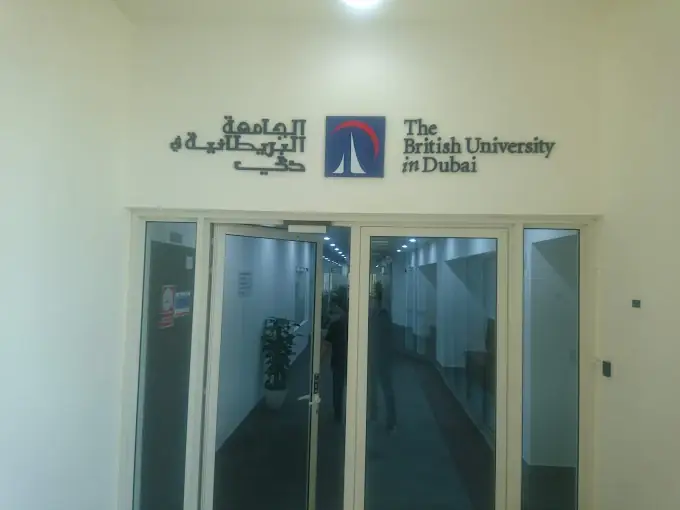
The British University in Dubai (BUiD) is a postgraduate-focused, research-oriented institution that delivers British higher education within the UAE. Established in collaboration with leading UK universities, BUiD is known for its strong academic rigor, research output, and programs aligned with national development and professional practice. This guide provides a comprehensive and factual overview of the British University in Dubai, helping prospective students, parents, and education consultants understand its academic structure, accreditation, admissions, and student experience. Overview of the University The British University in Dubai was established in 2003 to bring world-class British education and research to the UAE. The university was founded in partnership with several leading UK universities and operates on a model that emphasizes research, innovation, and academic excellence. Background and History BUiD was created to support the UAE’s transition to a knowledge-based economy by: Delivering UK academic standards locally Developing research capacity in priority national sectors Producing highly skilled postgraduate graduates Vision and Mission To be a leading research-intensive university in the region To contribute to national and global knowledge creation To educate future leaders, researchers, and professionals Reputation The British University in Dubai is widely recognized for: Strong postgraduate and doctoral programs British academic supervision and standards High-quality research output and scholarly activity Campus Overview Location BUiD is located in Dubai International Academic City (DIAC), a dedicated higher education zone that hosts numerous international universities and research institutions. Purpose of the Campus The campus was established to: Support advanced learning and research activities Provide an academic environment aligned with postgraduate education Facilitate collaboration with industry and government entities Campus Environment The campus environment is designed for mature learners and researchers, offering: Quiet, research-focused learning spaces Advanced research and computing facilities A multicultural academic community Accreditation & Recognition Accreditation is one of BUiD’s key strengths. Licensed by: Knowledge and Human Development Authority (KHDA), Dubai Accredited by: UAE Ministry of Education (MOE) Academic Partnerships: UK universities for degree validation and supervision Degree Recognition Degrees awarded by the British University in Dubai are: Recognized by the UAE Ministry of Education Awarded or validated by partner UK universities (depending on program) Internationally recognized for employment and further academic study This makes BUiD particularly attractive for students pursuing academic, research, or international careers. Colleges & Academic Programs Offered BUiD primarily offers postgraduate and doctoral programs, with a strong emphasis on research and professional practice. Faculty of Business & Law Programs focus on leadership, governance, and strategic management. Programs include: Master of Business Administration (MBA) MSc in Project Management MSc in Leadership and Human Resource Management Doctor of Business Administration (DBA) Faculty of Engineering & IT Designed for advanced technical and research-based careers. Programs include: MSc in Engineering Management MSc in Information Technology Management PhD in Engineering and Computing Faculty of Education One of BUiD’s most established academic areas. Programs include: Master of Education (MEd) MSc in Educational Leadership PhD in Education These programs are widely pursued by educators, policymakers, and academic professionals. Faculty of Architecture & Sustainable Built Environment Focused on sustainability, urban development, and architectural research. Programs include: MSc in Sustainable Design of the Built Environment MSc in Urban Planning PhD in Architecture and Sustainable Development Admission Requirements Undergraduate Admission BUiD primarily focuses on postgraduate education; undergraduate offerings are limited or program-specific. Postgraduate Admission Applicants generally require: A relevant bachelor’s degree from a recognized institution Minimum GPA requirements (program-dependent) Academic transcripts and references Statement of purpose Doctoral Admission Master’s degree in a relevant field Research proposal Academic references and interview English Language Requirements IELTS, TOEFL, or equivalent Higher English proficiency standards due to academic rigor Transfer Students Credit transfer considered on a case-by-case basis Subject to academic approval and equivalency Tuition Fees & Scholarships Tuition Fees Tuition fees vary based on: Program level (Master’s, DBA, PhD) Credit structure and research duration Additional costs may include: Registration and administrative fees Research-related expenses Scholarships & Financial Support BUiD may offer: Merit-based scholarships Research grants and assistantships Employer-sponsored study arrangements Scholarship availability depends on academic merit and research focus. Campus Facilities & Student Life Academic Facilities Research laboratories and computing facilities Extensive digital library resources Seminar rooms and collaborative research spaces Student Services Academic supervision and research support Library and information services Student administration and advisory support Student Life Student life at BUiD is academically focused and includes: Research seminars and conferences Academic workshops and guest lectures Collaborative research projects Faculty & Teaching Approach Faculty members are experienced researchers and academics Many hold joint appointments or collaborations with UK universities Teaching emphasizes research, critical analysis, and independent study BUiD’s approach is ideal for students pursuing advanced academic or professional pathways. Career Opportunities & Industry Connections BUiD graduates pursue careers in: Academia and research institutions Government and policy-making bodies Engineering, construction, and sustainability sectors Corporate leadership and consulting Career support includes: Research-industry collaboration Professional development workshops Networking with academic and industry experts Why Choose the British University in Dubai? Key Advantages UK-accredited degrees delivered in the UAE Strong research and postgraduate focus International academic reputation Alignment with UAE national development priorities Ideal Student Profile Graduates seeking master’s or doctoral studies Professionals pursuing leadership or academic careers Researchers interested in sustainability, education, or engineering Pros & Cons Pros MOE-accredited and UK-validated degrees Strong research infrastructure International academic recognition Cons Limited undergraduate programs Research-focused environment may not suit all learners Frequently Asked Questions (FAQs) Q1. Is the British University in Dubai accredited? A. Yes, BUiD is licensed by KHDA and accredited by the UAE Ministry of Education. Q2. Are BUiD degrees internationally recognized? A. Yes, degrees are UK-validated and widely recognized internationally. Q3. Can international students apply? A. Yes, BUiD accepts international students and supports visa processing. Q4. Is on campus accommodation available? A. BUiD does not provide on-campus housing; students arrange accommodation independently in Dubai. Conclusion The British University in Dubai is a strong choice for students seeking advanced, research-driven British education in the UAE. With its postgraduate focus, UK partnerships, and emphasis on academic excellence, BUiD serves as a gateway to academic, professional, … Read more

Students of Determination Support in the UAE

Students of Determination Support in the UAE

In the UAE, inclusive education is more than a policy, it’s a commitment to empowering every learner. Recognizing the unique abilities and challenges of a student of determination is essential for fostering both academic success and personal growth. Students of determination can access tailored learning materials and interactive exercises through platforms like Alef Login Student, supporting inclusive academic engagement. What Does “Student of Determination” Mean? The term student of determination is used across the UAE to refer to learners with disabilities or special educational needs who require additional support to thrive academically. This includes students with: Physical disabilities Learning difficulties such as dyslexia or ADHD Sensory impairments like hearing or visual challenges Intellectual or developmental disabilities The focus is on identifying abilities rather than limitations, providing targeted support to help these students participate fully in academic and social life. In UAE universities and schools, including institutions in Dubai, Abu Dhabi, Sharjah, and Ajman, this terminology reflects the country’s commitment to inclusivity under the guidance of the Ministry of Education and initiatives like the National Policy for Empowering People of Determination. The Importance of Inclusive Education in the UAE Inclusive education is a core principle in UAE schools and universities. For a student of determination, inclusive learning environments provide several benefits: Equal Opportunities: Students can access the same curriculum, assignments, and learning outcomes as peers. Skill Development: Tailored programs help students develop cognitive, social, and emotional skills. Confidence and Self-Esteem: Supportive settings encourage students to express themselves and participate actively. Career Readiness: Exposure to inclusive environments prepares students for professional life in the UAE and globally. Universities such as the American University of Sharjah, University of Sharjah, and Canadian University Dubai actively implement inclusive programs, ensuring that every student, regardless of ability, can succeed academically. Academic Support for Students of Determination Supporting a student of determination requires a multi-faceted approach that combines personalized learning, technology, and professional guidance. 1. Individualized Education Plans (IEPs) An IEP is a customized roadmap outlining specific goals, accommodations, and assessment methods for each student. It ensures that learning materials, teaching methods, and evaluation criteria align with the student’s abilities. Example: A student with dyslexia may receive extra time on exams and access to audiobooks for assignments, while a student with physical impairments might have accessible digital platforms for classroom participation. 2. Assistive Technology Assistive tools play a vital role in academic success: Screen readers and text-to-speech software for visually impaired students Speech-to-text apps for students with writing difficulties Adaptive keyboards or specialized mice for students with motor impairments Captioning and transcription tools for hearing-impaired students Such technology ensures that a student of determination can access learning content efficiently and independently. 3. Specialized Support Staff Qualified specialists, such as special educators, occupational therapists, and counselors, provide one-on-one or small group support. These professionals help students: Develop study strategies Manage stress and anxiety related to academic challenges Navigate social interactions and campus life Assignment and Academic Writing Support Assignments, essays, and research projects can pose unique challenges for a student of determination. Academic support services in the UAE play a crucial role in bridging gaps. Portals such as Gulf Asian English School Students Login help students of determination submit assignments securely and track academic progress efficiently. 1. Tailored Writing Assistance Academic writing help includes: Breaking down assignment requirements into manageable steps Providing structured templates for essays and reports Assisting with research, referencing, and formatting These services allow students to focus on content mastery rather than technical obstacles. 2. Time Management Strategies For students facing cognitive or physical challenges, time management is critical. Support may involve: Creating study schedules aligned with individual energy levels Prioritizing assignments based on difficulty and deadlines Using digital planners to track tasks and submission dates 3. Collaborative Learning Group projects and peer collaboration enhance learning while developing social skills. Inclusive practices ensure that students of determination can contribute meaningfully alongside classmates, promoting both academic and interpersonal growth. Challenges Faced by Students of Determination Despite strong policies, students may encounter obstacles: Accessibility Issues: Not all classrooms, libraries, or labs are fully equipped for students with disabilities. Limited Awareness: Some faculty or peers may lack understanding of specific needs, leading to miscommunication. Assessment Pressure: Standardized exams may not always accommodate alternative evaluation methods. Social Inclusion: Participation in extracurricular activities may be limited if accessibility and support are not prioritized. Addressing these challenges requires collaboration among educators, families, and specialized support services. Best Practices for Supporting Students of Determination 1. Universal Design for Learning (UDL) UDL principles involve creating curricula that accommodate diverse learning styles. For example: Offering written, audio, and visual learning materials Providing multiple ways to demonstrate understanding (oral presentations, written essays, or projects) 2. Continuous Professional Development for Educators Teachers and professors benefit from training in: Inclusive teaching strategies Assistive technology integration Awareness of learning difficulties and adaptive assessment methods This enhances classroom accessibility for all students. 3. Student-Centered Learning Environments Allowing students to voice their preferences, goals, and challenges promotes self-advocacy and engagement. Personalized accommodations ensure that a student of determination receives meaningful educational experiences. The UIPS Student Portal offers features that support personalized learning paths, making it easier for students of determination to manage coursework effectively. Social and Emotional Support Academic success is intertwined with emotional well-being. Support mechanisms include: Counseling Services: Address anxiety, stress, or social challenges. Peer Mentoring Programs: Pairing students with supportive peers enhances confidence and campus integration. Inclusive Extracurricular Activities: Sports, clubs, and cultural events adapted for accessibility foster a sense of belonging. Emotional support is crucial for students to navigate both academic expectations and social integration within UAE universities. Role of Parents and Guardians Family involvement strengthens academic outcomes. Parents can: Advocate for accommodations and assistive resources Collaborate with educators to monitor progress Provide emotional support and encourage resilience Promote independent learning skills at home In the UAE, collaboration between families and educational institutions ensures that students of determination achieve their full potential. How Academic Writing Services Can Help For students balancing coursework, exams, and personal … Read more

Al Dar University College Complete Guide for Students

Al Dar University College

Al Dar University College is a higher education institution in the United Arab Emirates that offers academic programs designed to meet regional educational and workforce needs. With a focus on applied learning and professional development, the university aims to provide students with accessible, career-oriented education in a structured academic environment. This guide provides a detailed overview of Al Dar University College, helping prospective students, parents, and education consultants understand its academic offerings, admissions process, and overall learning experience. Overview of the University Al Dar University College was established to support the growing demand for quality tertiary education aligned with regional development goals. The institution emphasizes academic integrity, applied learning, and student development. Vision & Mission To provide accessible and career-oriented higher education To prepare graduates with academic knowledge and practical skills To support national workforce development and lifelong learning Reputation The university is recognized for: Focused academic programs Supportive learning environment Commitment to professional and ethical education Campus Overview Location Al Dar University College is located within the UAE, offering convenient access for local and regional students. Its location supports commuting students and working professionals. Purpose of the Campus The campus was established to: Expand access to higher education Support professional and academic development Provide modern teaching and learning facilities Campus Environment Students benefit from: Structured classrooms and learning spaces Technology-supported instruction A focused academic atmosphere Accreditation & Recognition Al Dar University College operates under the regulatory framework of the UAE’s higher education authorities. Licensed by: Relevant UAE education authorities (such as the Ministry of Education, subject to program approval) Program Approval: Individual programs are approved according to national academic standards Students are advised to verify accreditation details for specific programs, particularly for professional or government employment requirements. Colleges & Academic Programs Offered Al Dar University College offers programs designed to meet academic and workforce needs. College of Business & Management Programs focus on management principles and organizational skills. Business Administration Accounting Human Resource Management Marketing College of Information Technology Designed to develop technical and analytical competencies. Information Technology Computer Applications Data and Systems Management College of Education Programs aimed at preparing future educators and academic professionals. Education Studies Teaching and Learning Programs Continuing Education & Professional Programs Short courses and diplomas designed for skill enhancement and professional development. Admission Requirements Undergraduate Admission Recognized secondary school certificate Minimum academic performance as per admission guidelines Valid identification and academic transcripts Postgraduate Admission Relevant bachelor’s degree from a recognized institution Minimum GPA requirements Professional experience (if applicable) English Language Requirements Proof of English proficiency (IELTS, TOEFL, or equivalent) Internal English assessments may be available Transfer Students Credit transfer based on academic equivalency Evaluation of previous coursework required Tuition Fees & Scholarships Tuition Fees Tuition varies by: Program and level of study Credit load per semester Additional costs may include: Registration and administrative fees Learning materials or lab fees Scholarships & Financial Support Al Dar University College may offer: Merit-based scholarships Performance-based tuition discounts Financial assistance options subject to eligibility Campus Facilities & Student Life Students have access to: Modern classrooms and lecture halls Computer labs and academic resources Library and digital learning tools Student support and advising services Student Life Academic workshops and seminars Student clubs and extracurricular activities Opportunities for peer engagement and leadership Faculty & Teaching Approach Faculty members hold relevant academic and professional qualifications Teaching emphasizes practical application and student engagement Courses incorporate projects, case studies, and assessments The learning environment supports critical thinking and skill development. Career Opportunities & Industry Connections The institution supports student employability through: Career guidance and academic advising Internship and placement support Industry-aligned curriculum Graduates may pursue careers in: Business and administration Information technology Education and training Why Choose Al Dar University College? Key Advantages Focused and accessible learning environment Career-oriented academic programs Supportive academic and administrative structure Ideal Students Students seeking practical education in the UAE Working professionals pursuing formal qualifications Learners interested in small-class environments Pros & Cons Pros Recognized academic programs Supportive learning environment Focus on employability Cons Limited range of programs compared to larger universities Smaller campus and facilities Frequently Asked Questions (FAQs) Q1. Is Al Dar University College accredited? A. Yes, the institution operates under relevant UAE education authorities, subject to program approvals. Q2. Are degrees recognized internationally? A. Recognition depends on the destination country and institutional policies. Q3. Can international students apply? A. Yes, international students may apply, subject to visa and admission requirements. Q4. Is student accommodation available? A. On campus housing may be limited; most students arrange private accommodation. Conclusion Al Dar University College provides a focused and accessible higher education option for students seeking practical academic programs in the UAE. With an emphasis on applied learning, student support, and career readiness, the institution serves as a suitable choice for learners pursuing professional and academic growth.  

Translate »