
homeworkandassignmenthelper.com

Higher Colleges of Technology New Campus Complete Guide
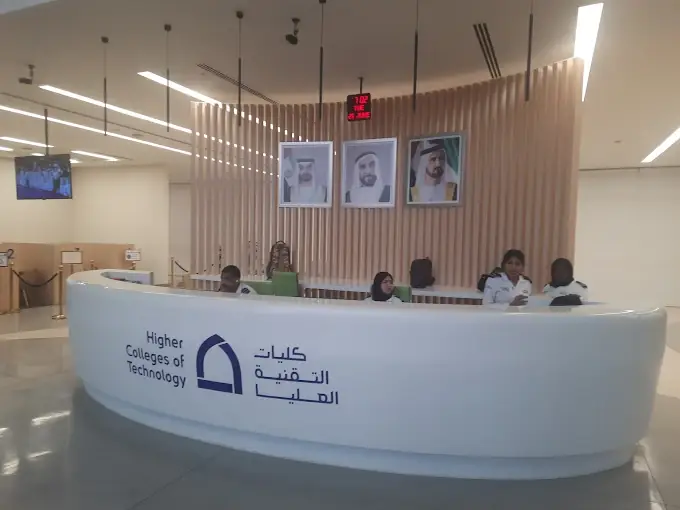
higher colleges of technology new campus

Higher Colleges of Technology (HCT) is one of the largest applied higher education institutions in the United Arab Emirates, widely recognized for its strong focus on practical learning, workforce readiness, and alignment with national development goals. With the launch and expansion of new campuses across the UAE, HCT continues to modernize its learning environments and academic delivery to meet evolving industry needs. This guide provides a complete and detailed overview of the Higher Colleges of Technology new campus, covering academic programs, admissions, accreditation, facilities, tuition structure, and career outcomes. It also explains what students can expect from the new campus model and how it differs from traditional university environments. The article is designed for UAE national students, international students (where applicable), parents, and education consultants seeking reliable, fact-based information about studying at HCT. Overview of the University Background and Establishment Higher Colleges of Technology was established in 1988 as a federal institution under the UAE government. Its primary objective was to provide high-quality applied education that directly supports the country’s economic and workforce development. Over the years, HCT has grown into a multi-campus institution serving tens of thousands of students across the UAE, making it one of the most influential public higher education systems in the region. Vision, Mission, and Academic Philosophy HCT’s vision focuses on empowering students with future-ready skills, applied knowledge, and professional competencies. The institution’s mission emphasizes innovation, employability, and industry relevance. The academic philosophy is centered on: Applied and experiential learning Competency-based education Strong industry integration Continuous curriculum modernization Rather than traditional theory-heavy education, HCT prioritizes hands-on training and real-world problem-solving. Reputation Within the UAE and Internationally Within the UAE, HCT is highly regarded as a practical, employment-focused institution closely aligned with government and industry needs. Internationally, it is recognized for its applied education model and large-scale contribution to national workforce development. Graduates are commonly employed across public, semi-government, and private sector organizations. Campus Overview Campus Location The Higher Colleges of Technology new campus concept has been implemented across multiple emirates, including Abu Dhabi, Dubai, Sharjah, Ras Al Khaimah, Fujairah, and Al Ain. These new or upgraded campuses are designed to replace or modernize older facilities and consolidate programs into advanced learning hubs. Each campus location is strategically selected to serve regional student populations and maintain accessibility. Why the Campus Was Established The new campus initiative was established to: Modernize learning infrastructure Support advanced applied education Integrate smart technology into teaching Align facilities with future workforce demands This shift reflects the UAE’s broader strategy for innovation-driven education and digital transformation. Campus Environment and Learning Atmosphere The learning environment at the new HCT campuses is modern, structured, and professionally oriented. Campuses emphasize collaboration, project-based learning, and technology-enabled instruction. Students experience an atmosphere similar to professional workplaces, preparing them for real industry environments. Accreditation & Recognition Regulatory Bodies Higher Colleges of Technology is fully accredited by the UAE Ministry of Education (MOE). As a federal institution, it operates under national higher education regulations and quality assurance frameworks. Local and International Degree Recognition HCT degrees are fully recognized across the UAE for employment and further education. International recognition is generally strong, particularly for applied bachelor degrees, though recognition abroad depends on the specific country and institution. Suitability for Employment HCT qualifications are widely accepted for: Government and semi-government roles Private sector employment Technical and professional positions Career advancement within applied fields The applied nature of HCT programs is especially valued by employers. Colleges & Academic Programs Offered College of Engineering and Technology This college focuses on technical and engineering disciplines aligned with industry needs. Major undergraduate programs include: Electrical Engineering Technology Mechanical Engineering Technology Computer Engineering Technology Network Engineering Programs emphasize lab work, projects, and industry tools. College of Business The College of Business prepares students for operational and management roles. Major undergraduate programs include: Accounting Human Resource Management Marketing Business Administration Postgraduate programs may include applied business or leadership degrees depending on campus offerings. College of Computer Information Science This college focuses on digital and technology-driven fields. Programs include: Information Technology Cybersecurity Data Analytics Software Development Courses are aligned with current and emerging technology trends. College of Health Sciences The College of Health Sciences prepares students for healthcare support roles. Programs include: Nursing Medical Laboratory Sciences Pharmacy Technology Training includes simulation labs and clinical exposure. College of Education and General Studies This college provides foundational and education related programs. Programs include: Applied Education Early Childhood Studies General Studies pathways The focus is on applied teaching and learning support roles. Admission Requirements Undergraduate Admission Requirements Applicants typically require: UAE secondary school certificate or equivalent Compliance with MOE admission standards Meeting program-specific academic criteria Some programs may have additional assessments or prerequisites. Postgraduate Admission Requirements For postgraduate programs, applicants usually need: A recognized bachelor’s degree Minimum GPA as defined by the program Relevant academic or professional background Availability of postgraduate programs may vary by campus. English Language Requirements As instruction is primarily in English, students may need: IELTS, TOEFL, or equivalent qualification Placement tests or foundation support where applicable Language support programs may be available for eligible students. Transfer Students Transfer students are considered based on: Accreditation of previous institution Course equivalency Academic performance Credit transfer is evaluated on a case-by-case basis. Tuition Fees & Scholarships Fee Structure Overview As a federal institution, tuition fees at Higher Colleges of Technology are structured based on: Student nationality Program level Mode of study For UAE national students, tuition is generally funded or significantly subsidized by the government. For non-national students, where admission is available, tuition is charged based on credit hours or program structure and remains competitive compared to private institutions. Additional Academic or Administrative Fees Students may need to budget for: Application and registration fees Laboratory or equipment usage fees Learning materials and textbooks Student activity or service fees Living and transportation costs are separate from tuition. Scholarships, Grants, and Discounts HCT may offer: Merit-based academic incentives Performance-based recognition Limited financial assistance depending on eligibility Scholarship availability varies by academic … Read more

How Much Is Tuition Fee at Zayed University UAE

zayed university

Zayed University is one of the most prominent public universities in the United Arab Emirates, known for its strong academic standards, national relevance, and focus on preparing students for leadership roles in the UAE and beyond. As a government supported institution, it plays a key role in developing the country’s human capital across diverse academic disciplines. This guide is designed to provide a complete and realistic overview of tuition fees at Zayed University, while also covering academic programs, admissions, accreditation, campus life, and career opportunities. Since tuition costs are a major deciding factor for students and families, this article explains the fee structure clearly without listing exact figures, in line with official policies and realistic expectations. The article is intended for UAE nationals, international students, parents, and education consultants who are evaluating Zayed University as a study option in the UAE. Overview of the University Background and Establishment Zayed University was established in 1998 by the Government of the United Arab Emirates and is named after the country’s founding father, Sheikh Zayed bin Sultan Al Nahyan. The university was created to provide world-class education aligned with national development goals and to empower future leaders. Since its establishment, Zayed University has expanded academically and geographically, becoming a respected public institution serving both Emirati and international students. Vision, Mission, and Academic Philosophy The university’s vision focuses on leadership, innovation, and global engagement while maintaining strong national identity and values. Its mission emphasizes academic excellence, research impact, and community contribution. The academic philosophy is based on: Outcome-based education Critical thinking and innovation Ethical leadership and civic responsibility Alignment with UAE national priorities Reputation Within the UAE and Internationally Within the UAE, Zayed University holds a strong reputation as a federal institution supported by the government. Internationally, it is recognized for its structured academic model, English-taught programs, and partnerships with global institutions. Graduates are well regarded in both public and private sector organizations across the UAE. Campus Overview Campus Locations Zayed University operates major campuses in Abu Dhabi and Dubai, both designed with modern infrastructure and advanced learning facilities. Each campus offers a comprehensive academic environment with access to student services and extracurricular activities. Why the Campus Was Established The campuses were established to provide high-quality education accessible to students across the UAE. The locations were strategically chosen to support national workforce development and to connect students with government, industry, and community institutions. Campus Environment and Learning Atmosphere The campus environment is structured, professional, and multicultural. Teaching is delivered primarily in English, and the learning atmosphere emphasizes collaboration, discipline, and academic integrity. Students benefit from technology-enabled classrooms and a balance between academic rigor and personal development. Accreditation & Recognition Regulatory Bodies Zayed University is fully accredited by the UAE Ministry of Education (MOE). As a federal university, it follows national higher education standards and quality assurance frameworks. Local and International Degree Recognition Degrees awarded by Zayed University are fully recognized across the UAE. International recognition is generally strong, particularly in regions familiar with UAE federal institutions, though recognition abroad depends on country specific regulations. Suitability for Employment Graduates are highly suitable for: UAE government and semi-government entities Private sector organizations Multinational companies Further postgraduate studies The university’s accreditation supports employment eligibility across regulated and non-regulated sectors. Colleges & Academic Programs Offered College of Arts and Creative Enterprises This college focuses on creative, cultural, and communication-based disciplines. Undergraduate programs include: Graphic Design Interior Design Media and Communication Programs emphasize creativity, digital skills, and applied learning. College of Business The College of Business prepares students for leadership and management roles. Major undergraduate programs include: Accounting Finance Marketing Management Entrepreneurship Postgraduate programs include MBA and specialized business degrees. College of Communication and Media Sciences This college focuses on modern communication practices. Programs include: Mass Communication Public Relations Digital Media Students develop strong analytical, writing, and media skills. College of Education The College of Education prepares future educators and academic leaders. Programs include: Education Studies Special Education The curriculum aligns with UAE education standards. College of Natural and Health Sciences This college focuses on science and health-related disciplines. Programs include: Psychology Nutrition and Health Environmental Sciences Programs emphasize research and practical application. College of Technological Innovation This college delivers technology-focused education. Programs include: Information Technology Cybersecurity Data Analytics The curriculum is aligned with industry and national digital transformation goals. Admission Requirements Undergraduate Admission Requirements Undergraduate applicants must have: A recognized secondary school certificate Required academic performance based on program Compliance with MOE admission standards Some programs may have additional requirements. Postgraduate Admission Requirements Postgraduate applicants must hold: A recognized bachelor’s degree A minimum GPA as specified by the program Relevant academic or professional background English Language Requirements As programs are taught in English, applicants may need: IELTS, TOEFL, or equivalent Exemptions may apply for certain educational backgrounds Transfer Students Transfer applications are reviewed individually. Credit transfer depends on course equivalency, grades, and institutional accreditation. Tuition Fees & Scholarships Tuition Fee Structure Overview Tuition fees at Zayed University vary based on: Student nationality (UAE national or international) Level of study (undergraduate or postgraduate) College and program of enrollment For UAE national students, tuition is typically government-funded or heavily subsidized under federal education policies. For international students, tuition fees are charged per credit hour or per academic year, depending on the program. While not the lowest in the UAE, fees are generally positioned competitively for a public university offering strong academic quality. Additional Academic or Administrative Fees In addition to tuition, students should budget for: Application and registration fees Student services and activity fees Laboratory or studio fees (program-dependent) Textbooks and learning materials Living expenses, accommodation, transportation, and personal costs are separate from tuition. Scholarships, Grants, and Discounts Zayed University may offer: Merit-based scholarships Academic excellence awards Limited financial aid for eligible students Availability and eligibility depend on academic performance and program policies. Campus Facilities & Student Life Academic Facilities Facilities include: Smart classrooms and lecture halls Specialized labs and studios Libraries with digital and physical resources The campuses … Read more

UAE University Class Sizes: What to Expect Before Enrolling

UAE University Class Sizes

Class size quietly shapes everything about your university experience, from how assignments are graded to how comfortable you feel asking questions. Many students only notice its impact once coursework becomes intense and deadlines start closing in. This guide explains what class size in UAE universities really looks like, so you can set realistic expectations before academic pressure peaks. Why Class Size Matters More Than Students Think In the UAE, universities operate under diverse academic systems, including British, American, Australian, and UAE national frameworks. Each system handles teaching, assessment, and student interaction differently, and class size plays a major role in how these standards are applied. For students in UAE, class size influences: Level of faculty interaction Feedback quality on assignments Classroom participation comfort Academic pressure during assessments Access to academic support Understanding this early can prevent frustration later. Class size impacts how easily instructors can support students with English proficiency challenges in writing-heavy courses. Typical Class Size in UAE Universities: A Realistic Overview There is no single standard class size across UAE universities. Instead, numbers vary based on: Public vs private institutions Undergraduate vs postgraduate programs Course popularity Campus location (Dubai, Abu Dhabi, Sharjah, Ajman) That said, patterns do exist. Class Sizes at Public Universities in the UAE Larger Lectures, Structured Learning Public universities in the UAE often enroll large cohorts, especially in foundation and undergraduate programs. Introductory courses may include: Large lecture halls One instructor addressing many students Limited real-time interaction This structure emphasizes independent learning and self-discipline. Tutorials and Labs Are Smaller While lectures may be large, public universities often balance this with: Smaller tutorial groups Separate lab sessions Discussion sections led by instructors or teaching assistants However, students must actively use these sessions to clarify assignment requirements. Class Sizes at Private Universities in the UAE Smaller Groups, More Interaction Private universities, especially international branch campuses in Dubai and Abu Dhabi, often promote smaller class sizes. These typically include: Fewer students per classroom Interactive discussions Regular participation-based assessments This setup benefits students who learn best through dialogue and feedback. Not Always Small Across All Courses It’s important to note that “small class” claims usually apply to: Advanced courses Elective modules Core or popular courses may still feel crowded, especially during peak semesters. Undergraduate vs Postgraduate Class Sizes Undergraduate Programs Undergraduate students often experience: Larger classes in early years Gradual reduction in class size in later semesters Foundational courses tend to be the most crowded. Postgraduate Programs Master’s and doctoral programs usually offer: Smaller, discussion-focused classes Research-oriented teaching Higher expectations for independent work Smaller class size does not mean lower workload, it often means deeper scrutiny of assignments. For large classes, online learning platforms can help students track assignments and access materials independently. How Class Size Affects Teaching Style Large Classes: Lecture-Focused Learning In larger classes, teaching is usually: Lecture-driven Slide-based Time-restricted Students are expected to: Review materials independently Interpret assignment briefs on their own Seek clarification outside class hours This environment rewards strong self-study habits. Small Classes: Discussion and Application Smaller classes allow: Case-based learning Group discussions Immediate clarification of concepts Assignments may still be demanding, but expectations are clearer through dialogue. The Hidden Impact of Class Size on Assignments Feedback Quality and Speed One of the biggest differences students notice is feedback. In large classes: Feedback may be brief Comments focus on rubrics, not explanations Turnaround time can be slower In smaller classes: Feedback is often more detailed Instructors may explain mistakes in class Revision guidance is clearer This directly affects how students improve future assignments. Class Size and Grading Pressure More Students, Less Margin for Error In large cohorts, grading often follows strict rubrics to maintain fairness. This means: Little flexibility for borderline work Heavy penalties for missing criteria Strict enforcement of referencing rules Students who misunderstand requirements may lose marks quickly. Students juggling busy schedules can benefit from weekend classes in UAE universities, especially when large classes make regular participation challenging. Smaller Classes, Higher Expectations In smaller classes, instructors know students better. While this helps communication, it can also mean: Higher expectations for originality Deeper critical analysis required Closer scrutiny of arguments Small class size does not guarantee easier grading. Plagiarism Policies Are the Same, Regardless of Class Size Some students assume large classes mean less attention to individual work. This is a dangerous assumption. Universities in UAE use: Automated plagiarism detection tools Standardized academic integrity policies Whether your class has 20 students or 200, plagiarism checks are equally strict. Class Size and Academic Writing Challenges Large Classes Amplify Writing Weaknesses In large classes, instructors cannot coach every student individually on: Essay structure Academic tone Paraphrasing techniques Students with weaker writing skills often struggle silently until grades reflect the issue. Smaller Classes Expose Writing Gaps Faster In smaller settings, instructors notice: Repeated language errors Weak argument development Referencing inconsistencies Feedback arrives earlier, but so does pressure to improve quickly. International Students and Class Size Adjustment Cultural and Academic Transition International students in UAE often face: New academic writing standards Different classroom participation norms Unfamiliar assessment styles Class size affects how easy this transition feels. Smaller classes can ease adaptation, while larger classes demand faster independence. Does Class Size Affect Student–Faculty Relationships? Public Universities: Formal Interaction In larger institutions, communication is often: Email-based Structured through office hours Less personal Students must take initiative to be noticed. Private Universities: More Accessible Faculty Smaller classes often lead to: Easier communication Informal clarification discussions Faster responses However, professional boundaries remain firm. How Class Size Influences Time Management Large Classes Require Proactive Planning With fewer reminders and limited guidance, students must: Track deadlines carefully Read assignment briefs multiple times Plan submissions well in advance Procrastination is costly in this environment. Small Classes Demand Consistent Engagement Frequent assessments and participation marks mean: Continuous workload Little room to fall behind Regular preparation required Pressure is steady rather than sudden. Choosing the Right Class Size for Your Learning Style Ask yourself: Do I learn better by listening or discussing? Do I need … Read more

Public vs Private Universities in UAE: Which Fits You Best?

Public vs Private Universities

Choosing between public and private universities in the UAE is not just an administrative decision, it shapes your academic pressure, grading experience, and daily student life. Many students realize too late that the type of university matters as much as the degree itself. This guide offers a clear, practical comparison to help you decide wisely before deadlines and expectations close in. Understanding the UAE Higher Education Landscape Higher education in the UAE is unique. Universities across Dubai, Abu Dhabi, Sharjah, Ajman, and other Emirates operate under a mix of UAE national regulations and international academic frameworks. Some institutions are publicly funded and deeply rooted in the country’s education strategy, while others are private, internationally affiliated, and market-driven. When comparing public vs private universities UAE, the real differences go far beyond tuition fees or campus size. They affect how you are taught, assessed, graded, and supported academically. Awareness of semester break rules in UAE helps students plan study schedules around high-pressure periods at both public and private institutions. What Defines a Public University in the UAE? Government-Funded and Nationally Oriented Public universities in the UAE are funded and overseen by government authorities. Their mission often focuses on: National development Research priorities aligned with UAE goals Structured academic progression Examples include institutions with strong emphasis on policy, research, engineering, education, and healthcare. Academic Environment and Expectations Public universities typically maintain: Highly standardized curricula Formal assessment structures Strong research and theoretical focus For students in UAE, this often translates into: Heavy reading loads Research-intensive assignments Strict adherence to academic conventions What Defines a Private University in the UAE? Privately Funded, Often Internationally Linked Private universities may be locally owned or operate as branch campuses of British, American, Australian, or other international institutions. Their focus is often: Industry relevance Practical skill development International exposure These universities are common in Dubai and increasingly present in Abu Dhabi and Sharjah. Academic Style and Delivery Private universities often offer: Smaller class sizes Continuous assessment models Practical assignments and projects However, flexibility does not mean lower standards. Grading criteria are still rigorous and closely monitored. Admissions Criteria: Where Students Feel the First Difference Entry Requirements at Public Universities Public universities often: Have competitive entry standards Prioritize specific subject backgrounds Require strong academic records Some programs may be limited to certain student categories or require additional approvals. Entry Requirements at Private Universities Private institutions are generally more flexible: Broader acceptance of international qualifications Foundation or pathway options Rolling admissions in some cases This flexibility attracts many international students, but it also means students must be proactive about understanding academic expectations early. Teaching Styles and Classroom Experience Learning at Public Universities Public universities emphasize: Lectures supported by independent study Research-based learning Formal academic discourse Students are expected to: Learn independently Analyze scholarly sources deeply Adapt to limited personalized instruction This suits self-directed learners but can overwhelm students who need frequent guidance. Learning at Private Universities Private universities often focus on: Interactive classrooms Case studies and applied learning Regular coursework feedback This environment benefits students who learn through discussion and structured milestones. Checking university accreditation ensures that your degree will be recognized nationally and internationally, regardless of the university type. Assessment Methods: Where Pressure Really Shows Exams vs Continuous Assessment One of the most important differences in public vs private universities UAE lies in assessment design. Public universities may rely more on: Midterms and final exams Long-form research papers Formal evaluations Private universities often use: Multiple assignments Presentations Group projects Coursework spread across the semester Neither is easier, just different. The pressure simply appears at different times. Academic Writing Expectations Compared Writing at Public Universities Assignments at public universities often demand: Formal academic tone Extensive literature review Advanced referencing accuracy Original theoretical analysis Even small referencing errors can reduce grades significantly. Writing at Private Universities Private universities still enforce academic integrity but may emphasize: Applied analysis Business or industry reports Practical recommendations However, plagiarism policies remain strict, and similarity reports are closely monitored. Plagiarism Policies: No Major Difference in Consequences Regardless of university type, plagiarism rules in UAE are serious. Both public and private universities: Use plagiarism detection software Enforce citation accuracy Penalize improper paraphrasing Students often assume private universities are more lenient. This is a costly misunderstanding. Academic integrity standards are non-negotiable across the UAE. Faculty Interaction and Feedback Style Public Universities: Formal and Structured Faculty at public universities often: Follow standardized feedback frameworks Expect students to interpret comments independently Limit ongoing revisions Feedback may be concise but academically dense. Private Universities: More Guided Feedback Private universities may offer: Detailed feedback Draft-level guidance Greater availability during office hours This can be helpful for students adjusting to international academic standards. “Orientation on academic culture shock in UAE can make transitions smoother, especially in public universities with more structured environments. Campus Life and Student Experience Student Life at Public Universities Public universities often have: Structured campus environments Strong institutional identity Research-focused student activities Social life exists, but academic priorities dominate. Student Life at Private Universities Private universities typically: Cater to commuting students Offer flexible schedules Emphasize networking and employability This suits working students or those balancing multiple responsibilities. Cost Considerations Beyond Tuition Public Universities While tuition may be lower, students should consider: Limited seats Competitive admission Fewer flexible payment options Private Universities Higher tuition is common, but students gain: Flexible intakes Pathway programs Wider program variety However, higher cost does not reduce assignment pressure or grading rigor. Accreditation and Degree Recognition Both public and private universities may be accredited, but not always in the same way. Students must verify: UAE Ministry of Education recognition Program-level accreditation International acceptance if planning further study Accreditation affects postgraduate opportunities, professional licensing, and employment. Which Type of University Handles International Students Better? Support Systems Private universities often have: Dedicated international offices Orientation programs Academic skills workshops Public universities may offer fewer tailored services, expecting students to adapt quickly. Language and Academic Transition International students adjusting to: Academic English New referencing styles Formal assessment rubrics often … Read more

Translate »