
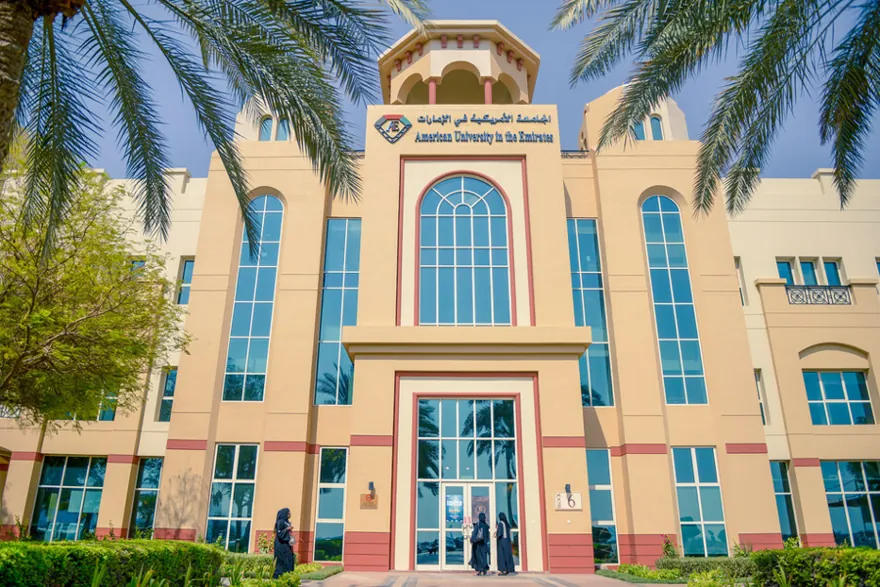

Choosing where to study is no longer just about location or cost. For many students and professionals, the real question is whether the degree will be recognised globally and open doors beyond borders. To see which institutions are widely trusted, you can refer to the UAE university rankings for a clear picture of credibility and reputation.
The UAE has rapidly become a serious education hub, but how far does a UAE degree really travel? Let’s break it down clearly and honestly.
Understanding Degree Recognition in the UAE
Degree recognition is not a vague promise; it’s a formal system based on accreditation, academic standards, and international agreements. In the UAE, universities operate under strict regulatory frameworks that directly impact how their degrees are viewed worldwide.
At the center of this system is the UAE Ministry of Education (MOE), which licenses and accredits universities across the country. This oversight plays a major role in global acceptance.
How UAE Universities Are Regulated

Ministry of Education (MOE) Accreditation
Universities licensed by the MOE must meet rigorous academic and operational standards. These include:
- Qualified faculty requirements
- Approved curricula and learning outcomes
- Transparent assessment systems
- Ongoing quality audits
Degrees from MOE-accredited institutions are officially recognised within the UAE and form the foundation for international equivalency.
Free Zone Universities vs Mainland Universities
Some universities operate in education free zones like:
- Dubai Knowledge Park
- Dubai International Academic City
- Abu Dhabi’s education clusters
While many free zone universities offer high-quality education, not all are MOE-accredited. This distinction matters greatly for degree recognition abroad.
Is a UAE Degree Valid Worldwide?

The Short Answer
Yes, a UAE degree can be valid worldwide, but its recognition depends on three key factors:
- Accreditation status
- Awarding institution
- Destination country requirements
Understanding these factors prevents costly mistakes.
Recognition Based on Accreditation
MOE-Accredited Universities
Degrees from MOE-accredited universities are widely accepted for:
- Employment abroad
- Postgraduate studies
- Professional licensing (subject to country rules)
They are generally easier to evaluate for equivalency by foreign authorities.
International Branch Campuses
Many UAE universities are branch campuses of globally ranked institutions from:
- The UK
- Australia
- The USA
- Canada
These universities award the same degree as their home campus, often without mentioning “UAE” on the certificate. Students exploring options for online or flexible learning can also check online universities UAE to find accredited programs that support remote study.
This significantly boosts global recognition.
How Different Countries View UAE Degrees

UAE Degrees in the UK
UK institutions and employers typically accept:
- Degrees from UK branch campuses in the UAE
- MOE-accredited UAE degrees after credential evaluation
For further studies, universities may request transcripts and accreditation proof.
UAE Degrees in Canada
Canadian recognition depends on:
- University accreditation
- Program structure
- Credential evaluation agencies
Degrees from internationally affiliated UAE universities are generally well received.
UAE Degrees in the USA
In the US, recognition is determined by:
- Credential evaluation services
- Institutional accreditation
- Program comparability
UAE degrees from accredited universities usually qualify for equivalency, especially for postgraduate admissions.
UAE Degrees in Europe
European recognition varies by country but often follows:
- Bologna Process standards
- University accreditation
- Degree level compatibility
MOE-accredited and internationally affiliated UAE degrees tend to perform well in evaluations.
UAE Degrees in Asia and the Middle East
In many Asian and GCC countries:
- UAE degrees are widely accepted
- MOE accreditation holds strong value
- Regional academic alignment supports recognition
This makes UAE education especially valuable for regional mobility.
Professional Recognition vs Academic Recognition
Academic Recognition
Academic recognition applies when:
- Applying for higher education
- Transferring credits
- Pursuing PhDs or certifications
Universities evaluate degree content, duration, and accreditation.
Professional Recognition
Professional recognition is required for regulated careers such as:
- Medicine
- Engineering
- Law
- Teaching
Even globally recognised degrees may require:
- Licensing exams
- Local certifications
- Professional body registration
This is normal worldwide and not unique to UAE degrees.
Key Factors That Improve Global Acceptance of UAE Degrees
International Accreditation
Some UAE programs hold additional accreditation from bodies like:
- AACSB (business)
- ABET (engineering)
- ACCA-aligned programs
- Professional councils
These accreditations significantly boost global trust.
University Rankings and Reputation
Global ranking bodies such as QS and Times Higher Education include several UAE universities. Rankings influence:
- Employer perception
- University admissions decisions
- International credibility
English Language Instruction
Most UAE universities teach in English, which:
- Aligns with global academic standards
- Simplifies international admissions
- Improves employability
This is a major advantage for global mobility. Students aiming for international careers can also review study in UAE after FSC & A-levels to see programs designed for global mobility.
Common Myths About UAE Degree Recognition

“UAE Degrees Are Only Valid Locally”
This is outdated. Many UAE degrees are accepted worldwide, especially those from accredited or international institutions.
“Only Western Degrees Matter”
What matters today is accreditation, curriculum quality, and learning outcomes—not just geography.
“Online or Part-Time UAE Degrees Aren’t Recognised”
Recognition depends on:
- University accreditation
- Program structure
- Assessment standards
Many part-time and blended UAE degrees are fully recognised.
How to Verify If Your UAE Degree Will Be Recognised Abroad
Step 1: Check MOE Accreditation
Always confirm whether the university and program are MOE-approved.
Step 2: Review the Awarding Body
Is the degree awarded by:
- A UAE institution?
- An international university?
This affects global recognition pathways.
Step 3: Check Destination Country Requirements
Each country has its own credential evaluation process. Look for:
- Approved evaluation agencies
- Licensing requirements
- University admission criteria
Step 4: Request Official Documentation
Universities should provide:
- Transcripts
- Accreditation letters
- Program descriptions
These documents are crucial for recognition.
UAE Degrees and Employment Abroad
Employer Perspective
Most international employers focus on:
- Skills and experience
- University credibility
- Degree relevance
A recognised UAE degree combined with experience often competes strongly with Western qualifications.
Multinational Companies in the UAE
Many global companies operating in Dubai and Abu Dhabi already recognise UAE degrees, especially from reputable institutions.
This creates smoother international transitions.
UAE Degrees for Immigration and Visas
For immigration pathways:
- Degrees are evaluated by official credential bodies
- Accreditation and duration matter
- Recognition supports skilled migration applications
UAE degrees regularly pass these evaluations when properly accredited. Professionals or students interested in practical, career-oriented programs can consult best courses UAE to align learning with international demand.
Future Outlook of UAE Degree Recognition

The UAE continues to invest heavily in:
- Academic quality
- International partnerships
- Research output
- Global rankings
As a result, global recognition of UAE degrees is strengthening year by year, not declining.
FAQs
Q1. Is a UAE degree accepted worldwide?
A. Yes, especially if it is MOE-accredited or awarded by an international university branch.
Q2. Do I need equivalency for a UAE degree abroad?
A. Most countries require credential evaluation, regardless of where the degree is earned.
Q3. Are UAE online degrees recognised internationally?
A. They can be, provided the university and program are properly accredited.
Q4. Do employers trust UAE degrees?
A. Yes, particularly from reputable and internationally affiliated institutions.
Q5. Can I study further abroad with a UAE degree?
A. Yes, many students successfully pursue postgraduate education globally.
Final Thoughts
A UAE degree can absolutely be valid worldwide, but only when chosen wisely. Accreditation, university reputation, and your future goals should guide every decision.
If you’re planning to study or already enrolled and want clarity before deadlines close, now is the time to verify your options. Get expert guidance today and secure a degree that truly works across borders, your future shouldn’t wait.