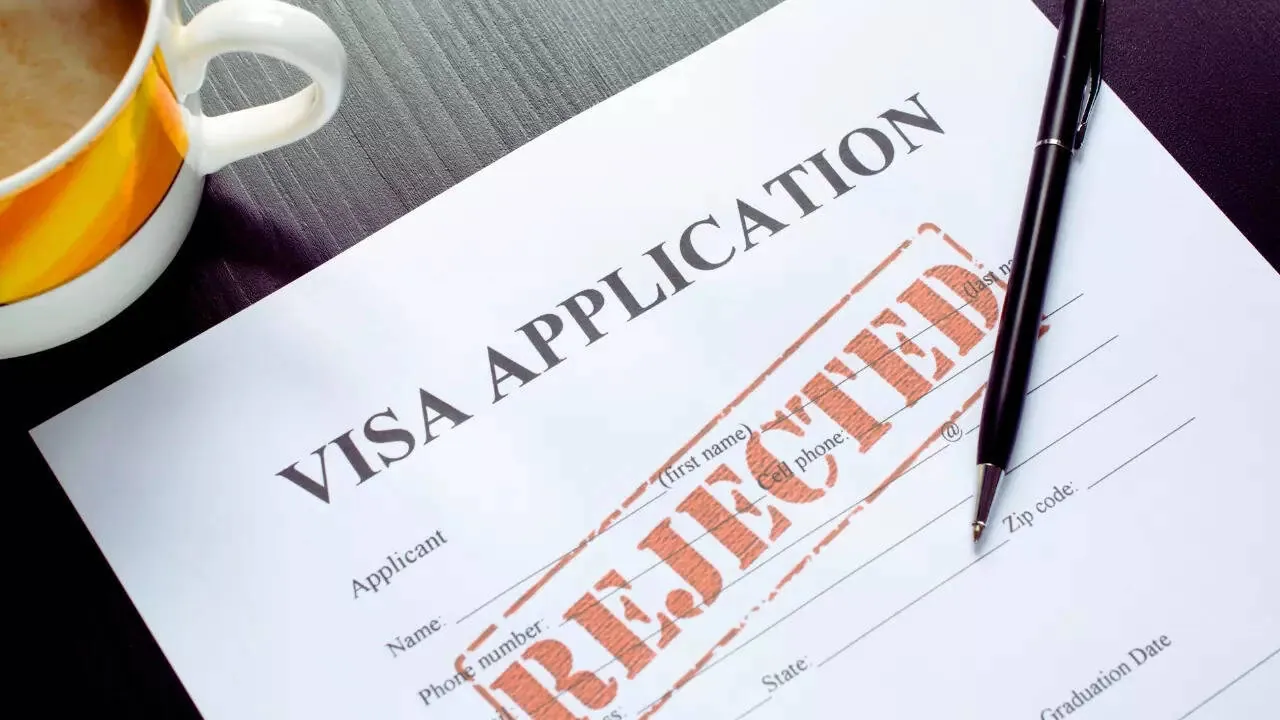
Applying to study in the UAE is exciting, but the visa stage can quickly become stressful when expectations clash with reality. Every year, capable students with genuine academic offers face refusal, not because they lack potential, but because small details were missed. Understanding UAE student visa rejection reasons early can save time, money, and academic momentum. In addition to preparing required documents, students also strengthen their academic profile through thesis writing UAE, which helps demonstrate research ability, academic seriousness, and readiness for higher education.
Why UAE Student Visas Are Carefully Assessed

The United Arab Emirates welcomes international education, yet its visa system is structured, rule-driven, and documentation-focused. For students, accessing the right student help can make a significant difference, as immigration authorities assess applications based not only on admission letters but also on financial clarity, academic intent, and long-term compliance.
For students in UAE universities, visa approval is the gateway to everything that follows, enrollment, housing, coursework, and deadlines that do not pause for paperwork issues.
The Most Common UAE Student Visa Rejection Reasons Explained
Incomplete or Inconsistent Documentation
One of the most frequent causes of rejection is missing or mismatched paperwork. Even strong academic profiles fail when documents do not align.
Common issues include:
- Discrepancies between passport details and admission letters
- Missing attestation of certificates
- Incorrect document formats or outdated versions
UAE authorities cross-check every submission. A single inconsistency can trigger refusal. Incomplete compliance with medical and health insurance requirements can also delay or derail student visa approvals, even after admission is secured.
Unverified or Weak University Admission Letters
Not all offer letters are treated equally. Immigration officers assess whether the admitting institution is:
- Licensed by UAE authorities
- Approved for international student visas
- Issuing a genuine, verifiable offer
Conditional offers or unofficial communications can raise doubts about academic seriousness.
Financial Proof: A Major Decision Factor

Insufficient Financial Evidence
Another major entry among UAE student visa rejection reasons is weak financial documentation. Authorities want assurance that students can:
- Pay tuition on time
- Cover accommodation and living costs
- Remain financially stable throughout their studies
Bank statements with sudden deposits or unclear sources often raise red flags.
Sponsorship Documents That Lack Clarity
Many students rely on family sponsors. Rejections occur when:
- Sponsor income is not clearly documented
- Relationship proof is missing
- Sponsor residency status is unclear
Transparency matters more than the amount shown.
Academic Background Concerns
Gaps in Education Without Explanation
Study gaps are not automatically disqualifying, but unexplained ones create suspicion. Applicants are often rejected when:
- Gap years are undocumented
- Employment claims lack proof
- Academic progression appears inconsistent
A clear academic narrative strengthens visa credibility.
Low Academic Alignment with Chosen Program
Visa officers review whether:
- Previous qualifications match the chosen degree
- The academic path shows logical progression
For example, sudden shifts without explanation can suggest non-academic intent.
Language Proficiency and Communication Issues

Missing English Proficiency Evidence
Most universities in Dubai, Abu Dhabi, and Sharjah teach in English. Visa refusal can occur when:
- Required IELTS or equivalent scores are missing
- Scores do not meet minimum thresholds
- Documents are expired
Language readiness signals academic preparedness.
Poorly Written Statements or Forms
Errors in application forms or statements can unintentionally harm credibility. Issues include:
- Generic answers
- Contradictory explanations
- Poor grammar that obscures meaning
Clear communication reflects seriousness and readiness for academic life.
Immigration History and Compliance Records
Previous Visa Violations
Students with prior immigration issues may face rejection due to:
- Overstays in any country
- Previous UAE visa violations
- Incomplete exit records
Authorities assess risk based on past compliance.
Repeated Visa Applications Without Change
Applying multiple times without addressing earlier refusal reasons often leads to repeat rejection. Each application is reviewed against previous records. Because the UAE universities attendance policy applies from the first week, visa delays can immediately place students at academic risk once classes begin.
Health and Security-Related Reasons
Medical Test Concerns
While student visas have simpler medical requirements, rejections can occur if:
- Required tests are missing
- Reports are outdated
- Medical forms are incomplete
Accuracy and timeliness are essential.
Security Clearance Issues
In rare cases, applications are refused due to:
- Background verification delays
- Incomplete personal history details
These are procedural rather than academic, but still decisive.
University-Specific Compliance Issues

Enrollment Confirmation Delays
Some UAE universities require:
- Tuition deposit confirmation
- Enrollment registration before visa processing
Failure to meet institutional timelines can block visa issuance.
Missed University Deadlines
Visa processing often runs parallel to academic calendars. Missing internal university deadlines can result in:
- Deferred admission
- Visa cancellation before approval
Academic timelines in the UAE are strict and unforgiving.
How Academic Pressure Intensifies Visa Stress
Deadlines Do Not Pause for Visa Issues
Students often assume assignments or semesters will adjust for visa delays. In reality:
- Coursework starts as scheduled
- Attendance requirements apply immediately
- Missed assessments affect grades
Visa rejection impacts academic performance directly.
Assignment Planning Begins Before Arrival
Many universities release:
- Reading lists
- Early assignments
- Online portals
Students delayed by visa issues start behind, increasing pressure from the first week.
The Role of Academic Writing Readiness

Why Writing Skills Matter Even Before Visa Approval
Visa officers assess academic intent partly through:
- Statements of purpose
- Study plans
- Motivation letters
Weak structure or unclear academic goals can weaken applications.
Academic Integrity Signals Serious Intent
Clear understanding of:
- Referencing styles
- Research expectations
- Assignment formats
Shows preparedness for UAE academic standards. Visa-related stress becomes more challenging when combined with the interactive teaching style in UAE universities, which expects active participation from day one.
Cultural and Contextual Misunderstandings
Misjudging UAE Academic Expectations
Some applicants underestimate:
- Academic rigor
- Assessment frequency
- Independent research demands
This mismatch reflects poorly in visa documentation.
Informal Communication Styles
Overly casual language in official documents can appear unprofessional. UAE academic and immigration communication values clarity and formality.
How to Reduce the Risk of Visa Rejection
Build a Coherent Academic Story
Successful applicants present:
- Clear academic progression
- Logical program choice
- Long-term educational goals
Consistency across documents is key.
Prepare Financial Documents Early
Last-minute financial preparation often leads to mistakes. Early planning allows:
- Clean bank statements
- Proper sponsorship verification
- Time for corrections
Respect Timelines Rigorously
UAE systems reward punctuality. Delays signal risk.
The Academic Impact of Visa Delays and Rejections

Emotional and Mental Pressure on Students
Visa uncertainty affects:
- Focus
- Confidence
- Motivation
This stress carries into academic performance once enrolled.
Long-Term Academic Consequences
Delayed entry can lead to:
- Reduced participation
- Lower grades
- Missed group assessments
Early academic setbacks are hard to reverse. Students affected by visa delays often struggle to keep pace with early assessment methods in UAE universities, where continuous evaluation begins immediately.
Why Students Seek Academic Writing Help in UAE During Visa Delays
Staying Academically Prepared
Many students use waiting periods to:
- Prepare assignments
- Understand referencing styles
- Improve academic writing clarity
This proactive approach reduces first-semester shock.
Aligning With University Standards Early
Academic writing support helps students:
- Adapt to British or American marking criteria
- Avoid plagiarism mistakes
- Build confidence before assessments begin
FAQs
Q1. What are the most common UAE student visa rejection reasons?
A. Incomplete documents, weak financial proof, unclear academic intent, and inconsistencies are the most common.
Q2. Can I reapply after a student visa rejection in UAE?
A. Yes, but only after addressing the exact reason for refusal.
Q3. Does academic performance affect visa approval?
A. Indirectly. Academic alignment and clarity in study plans influence decisions.
Q4. How long does UAE student visa processing take?
A. It varies, but delays increase closer to semester start dates.
Q5. Can visa rejection affect university admission?
A. Yes. Missed enrollment deadlines can result in deferred or canceled admission.
Final Thoughts
A student visa refusal is not just an administrative setback, it directly affects academic timelines, assignments, and grading expectations in the UAE. Understanding UAE visa application rejection reasons and solutions helps students correct documentation gaps early and avoid delays that can disrupt academic timelines and enrollment plans. With deadlines approaching and no flexibility once semesters begin, addressing documentation, academic clarity, and preparedness early can prevent last-minute panic and long-term academic stress.