homeworkandassignmenthelper.com

Students of Determination Support in the UAE

Students of Determination Support in the UAE

In the UAE, inclusive education is more than a policy, it’s a commitment to empowering every learner. Recognizing the unique abilities and challenges of a student of determination is essential for fostering both academic success and personal growth. Students of determination can access tailored learning materials and interactive exercises through platforms like Alef Login Student, supporting inclusive academic engagement. What Does “Student of Determination” Mean? The term student of determination is used across the UAE to refer to learners with disabilities or special educational needs who require additional support to thrive academically. This includes students with: Physical disabilities Learning difficulties such as dyslexia or ADHD Sensory impairments like hearing or visual challenges Intellectual or developmental disabilities The focus is on identifying abilities rather than limitations, providing targeted support to help these students participate fully in academic and social life. In UAE universities and schools, including institutions in Dubai, Abu Dhabi, Sharjah, and Ajman, this terminology reflects the country’s commitment to inclusivity under the guidance of the Ministry of Education and initiatives like the National Policy for Empowering People of Determination. The Importance of Inclusive Education in the UAE Inclusive education is a core principle in UAE schools and universities. For a student of determination, inclusive learning environments provide several benefits: Equal Opportunities: Students can access the same curriculum, assignments, and learning outcomes as peers. Skill Development: Tailored programs help students develop cognitive, social, and emotional skills. Confidence and Self-Esteem: Supportive settings encourage students to express themselves and participate actively. Career Readiness: Exposure to inclusive environments prepares students for professional life in the UAE and globally. Universities such as the American University of Sharjah, University of Sharjah, and Canadian University Dubai actively implement inclusive programs, ensuring that every student, regardless of ability, can succeed academically. Academic Support for Students of Determination Supporting a student of determination requires a multi-faceted approach that combines personalized learning, technology, and professional guidance. 1. Individualized Education Plans (IEPs) An IEP is a customized roadmap outlining specific goals, accommodations, and assessment methods for each student. It ensures that learning materials, teaching methods, and evaluation criteria align with the student’s abilities. Example: A student with dyslexia may receive extra time on exams and access to audiobooks for assignments, while a student with physical impairments might have accessible digital platforms for classroom participation. 2. Assistive Technology Assistive tools play a vital role in academic success: Screen readers and text-to-speech software for visually impaired students Speech-to-text apps for students with writing difficulties Adaptive keyboards or specialized mice for students with motor impairments Captioning and transcription tools for hearing-impaired students Such technology ensures that a student of determination can access learning content efficiently and independently. 3. Specialized Support Staff Qualified specialists, such as special educators, occupational therapists, and counselors, provide one-on-one or small group support. These professionals help students: Develop study strategies Manage stress and anxiety related to academic challenges Navigate social interactions and campus life Assignment and Academic Writing Support Assignments, essays, and research projects can pose unique challenges for a student of determination. Academic support services in the UAE play a crucial role in bridging gaps. Portals such as Gulf Asian English School Students Login help students of determination submit assignments securely and track academic progress efficiently. 1. Tailored Writing Assistance Academic writing help includes: Breaking down assignment requirements into manageable steps Providing structured templates for essays and reports Assisting with research, referencing, and formatting These services allow students to focus on content mastery rather than technical obstacles. 2. Time Management Strategies For students facing cognitive or physical challenges, time management is critical. Support may involve: Creating study schedules aligned with individual energy levels Prioritizing assignments based on difficulty and deadlines Using digital planners to track tasks and submission dates 3. Collaborative Learning Group projects and peer collaboration enhance learning while developing social skills. Inclusive practices ensure that students of determination can contribute meaningfully alongside classmates, promoting both academic and interpersonal growth. Challenges Faced by Students of Determination Despite strong policies, students may encounter obstacles: Accessibility Issues: Not all classrooms, libraries, or labs are fully equipped for students with disabilities. Limited Awareness: Some faculty or peers may lack understanding of specific needs, leading to miscommunication. Assessment Pressure: Standardized exams may not always accommodate alternative evaluation methods. Social Inclusion: Participation in extracurricular activities may be limited if accessibility and support are not prioritized. Addressing these challenges requires collaboration among educators, families, and specialized support services. Best Practices for Supporting Students of Determination 1. Universal Design for Learning (UDL) UDL principles involve creating curricula that accommodate diverse learning styles. For example: Offering written, audio, and visual learning materials Providing multiple ways to demonstrate understanding (oral presentations, written essays, or projects) 2. Continuous Professional Development for Educators Teachers and professors benefit from training in: Inclusive teaching strategies Assistive technology integration Awareness of learning difficulties and adaptive assessment methods This enhances classroom accessibility for all students. 3. Student-Centered Learning Environments Allowing students to voice their preferences, goals, and challenges promotes self-advocacy and engagement. Personalized accommodations ensure that a student of determination receives meaningful educational experiences. The UIPS Student Portal offers features that support personalized learning paths, making it easier for students of determination to manage coursework effectively. Social and Emotional Support Academic success is intertwined with emotional well-being. Support mechanisms include: Counseling Services: Address anxiety, stress, or social challenges. Peer Mentoring Programs: Pairing students with supportive peers enhances confidence and campus integration. Inclusive Extracurricular Activities: Sports, clubs, and cultural events adapted for accessibility foster a sense of belonging. Emotional support is crucial for students to navigate both academic expectations and social integration within UAE universities. Role of Parents and Guardians Family involvement strengthens academic outcomes. Parents can: Advocate for accommodations and assistive resources Collaborate with educators to monitor progress Provide emotional support and encourage resilience Promote independent learning skills at home In the UAE, collaboration between families and educational institutions ensures that students of determination achieve their full potential. How Academic Writing Services Can Help For students balancing coursework, exams, and personal … Read more

MSA Student Zone: A Complete Student Guide

MSA Student Zone

University life can be a thrilling journey, full of learning, social connections, and personal growth. For students at MSA University (October University for Modern Sciences and Arts), the MSA Student Zone serves as a central hub to manage academic tasks, access essential resources, and stay on top of deadlines, making campus life more manageable and rewarding. Students familiar with other systems like the KenKen student portal often adapt faster to structured digital platforms such as the MSA Student Zone. What Is the MSA Student Zone? The MSA Student Zone is an online portal designed specifically for students enrolled at MSA University in the UAE. It acts as a one-stop platform where students can: View and manage course schedules and timetables Access lecture materials and assignments Track grades and academic progress Communicate with faculty and administrative staff By centralizing these features, the portal reduces administrative burdens and allows students to focus more on learning and personal development. Key Features of the MSA Student Zone 1. Access to Academic Resources Students can download lecture notes, reading materials, and study guides directly from the portal. For example, a second-year business student in Dubai can review past lectures and supplementary materials for marketing courses without needing to request physical copies. 2. Assignment Management The portal allows students to submit assignments online, track deadlines, and receive feedback from instructors. This feature is particularly useful for avoiding missed deadlines, which is a common challenge among students balancing part-time work and academics. 3. Grade Tracking MSA Student Zone provides real-time access to grades and academic performance. Students can monitor their progress, identify weak areas, and seek academic help proactively. For instance, a student in Sharjah studying computer science can notice low scores in programming assignments and book tutoring sessions before the next major project. 4. Communication Tools The portal facilitates messaging between students and faculty. Queries related to courses, assignments, or administrative concerns can be addressed efficiently, reducing delays and confusion. 5. Timetable and Scheduling Students can view their weekly and monthly schedules, including class times, exams, and campus events. This feature is crucial for time management, especially during peak academic periods in Abu Dhabi or Dubai campuses. How the MSA Student Zone Enhances Academic Success Streamlined Assignment Submissions Submitting assignments through the portal ensures that all work is documented and time-stamped. This reduces the risk of lost papers and late submissions, a common stressor for first-year students. Better Exam Preparation Access to past papers, lecture slides, and study materials allows students to prepare strategically. For example, a law student in Dubai can review previous case studies uploaded to the portal and practice applying legal principles effectively. Personalized Academic Insights By tracking grades and performance trends, students can identify subjects needing improvement. This personalized feedback allows targeted study plans, enhancing overall academic outcomes. Facilitates Remote Learning For students unable to attend classes physically, the portal provides lecture recordings and downloadable resources, ensuring continuity of education during periods of absence. Tips for Using the MSA Student Zone Effectively 1. Regularly Check Updates Faculty often post announcements regarding assignments, exams, or events. Regularly logging in ensures you never miss important information. 2. Organize Your Academic Materials Download and categorize lecture notes and assignments by course. This makes revision and exam preparation more efficient. 3. Set Personal Reminders Use built-in calendar features to set reminders for submission deadlines, tests, and group project meetings. Students in UAE universities often juggle multiple courses, making digital reminders essential. Students who have previously used tools like the UIPS student portal are usually more comfortable navigating online submissions and feedback systems. 4. Engage with Faculty Through the Portal Ask questions directly to your professors via the messaging system. Timely communication can clarify doubts and prevent misunderstandings in complex subjects. 5. Use Performance Analytics Analyze your grade trends to identify strengths and weaknesses. Allocate more study time to challenging subjects while maintaining your strong areas. Advantages of Using the Portal for UAE Students Time Management Students in Dubai and Abu Dhabi often have busy schedules with commuting, part-time jobs, and extracurricular activities. The MSA Student Zone helps plan the week efficiently, reducing last-minute stress. Centralized Information All academic materials, communications, and schedules are in one place, eliminating confusion caused by fragmented emails or social media groups. Improved Collaboration Students can coordinate group projects and study sessions using the portal’s shared calendars and communication tools. Access Anywhere The portal is accessible via mobile devices, enabling students to study and manage tasks even while traveling between campuses or staying at home. Common Challenges and Solutions Technical Issues Occasionally, students may face login problems or slow loading pages. Most universities provide technical support through IT help desks. Keeping contact details handy and updating browsers can reduce downtime. Overlooking Portal Notifications Students sometimes miss critical updates due to infrequent logins. Setting daily login reminders ensures timely awareness of new announcements or assignment uploads. Mismanaging Files Without proper organization, downloaded resources can get lost. Creating separate folders by course and date keeps materials structured for easy retrieval. Similar to systems such as Alef login student, centralized portals encourage independent learning and self-managed academic progress. Ignoring Performance Analytics Students may check grades but not analyze trends. Regular review of grades and instructor feedback helps create effective study strategies. How the MSA Student Zone Supports Student Life in UAE Beyond academics, the portal also connects students to campus life: Event Announcements: Information about workshops, seminars, and cultural events on Dubai or Abu Dhabi campuses. Student Clubs and Societies: Updates on meetings and activities for interest-based groups. Career Services: Internship and job alerts for UAE students, helping them plan career paths alongside studies. Counseling Services: Access to mental health resources for stress management and wellbeing. For instance, a student interested in volunteering in Sharjah can quickly find event details and register directly through the portal. Making the Most of Your MSA Student Zone Set a Routine: Log in daily to check updates, assignments, and messages. Leverage Study Materials: Download resources as soon as … Read more

Top First-Year Mistakes for International Students UAE

Top First-Year Mistakes for International Students UAE

Starting university is an exciting journey, especially for international students coming to the UAE. However, the transition often comes with challenges that can impact academic performance and overall well-being. Understanding common international student mistakes UAE universities’ newcomers make can help students navigate their first year more smoothly and set a solid foundation for success. Understanding the UAE Academic Environment UAE Universities and Their Diversity The UAE hosts a diverse array of universities, including British, American, Australian, and local institutions. Adapting to New Teaching Methods International students must adjust to different teaching styles, assessment structures, and grading policies. A student struggling with English writing assignments can benefit from improving their English skills to perform better in essays and exams. Cultural Norms and Classroom Expectations Understanding cultural norms and classroom dynamics is critical for successful integration. Common First-Year Mistakes 1. Underestimating the Importance of Time Management Why Time Management Matters Balancing lectures, assignments, and extracurricular activities is crucial. Practical Example A student may leave a 3,000-word essay to the last week, leading to rushed work and stress. Tip to Improve Use digital planners or calendars to map deadlines and study sessions. 2. Ignoring Academic Integrity Rules Understanding Academic Integrity Plagiarism and improper citation can have serious consequences. Practical Example Submitting an essay without correct citations may lead to plagiarism accusations. Tip to Stay Compliant Learn referencing styles (APA, Harvard, MLA) and use university resources. 3. Overreliance on Class Attendance Active Participation vs Passive Attendance Simply attending lectures does not guarantee understanding. Practical Example Attending all lectures but skipping discussions can lower comprehension. Tip for Engagement Take notes, ask questions, and form study groups to reinforce learning. 4. Misjudging Language Challenges Language Barriers Can Persist Even if English proficiency is met, writing and comprehension challenges may occur. Practical Example A student struggles to produce coherent essays under time pressure. Tip to Overcome Use language labs, tutoring, peer review, and consistent practice. 5. Neglecting Cultural Adaptation Importance of Cultural Awareness Understanding local and classroom culture aids collaboration. Forming study groups is easier when you understand class sizes, allowing you to choose collaborative environments that suit your learning style. Practical Example Misinterpreting group communication styles can create conflict. Tip to Adapt Attend orientation, observe classroom etiquette, and communicate respectfully. 6. Overlooking University Resources Recognizing Available Support Universities offer writing centers, counseling, and academic advisors. Practical Example A student unaware of writing center services may miss assignment guidance. Tip to Utilize Resources Explore resources early and seek help proactively. 7. Poor Financial and Administrative Planning Administrative Responsibilities Timely fee payment, visa renewals, and registration are critical. Practical Example Late payment may restrict library or online platform access. Tip for Planning Maintain a checklist, set reminders, and communicate with administration. 8. Overcommitting to Extracurricular Activities Balancing Academic and Social Life Excessive involvement in clubs can affect studies. Practical Example Participating in multiple organizations may lead to late submissions. Tip to Balance Prioritize commitments and allocate dedicated time for studies and activities. 9. Neglecting Health and Well-Being Physical and Mental Health Sleep, diet, and exercise impact focus and productivity. Practical Example Assignment stress can lead to burnout affecting performance. Tip for Well-Being Establish a balanced routine and use health services or counseling. 10. Misunderstanding Assessment Weightage Importance of Understanding Syllabi Not all assignments or exams carry equal weight. Balancing coursework and personal commitments can be easier if students explore weekend classes offered by UAE universities. Practical Example Focusing on minor assignments while neglecting major projects lowers grades. Tip to Prepare Review syllabi, identify critical assessments, and plan study accordingly. How to Avoid First-Year Pitfalls Seek Orientation Programs Familiarize yourself with academic policies, campus resources, and cultural norms. Engage with Academic Advisors Clarify academic expectations and develop success strategies. Join Peer Networks Gain insights from senior students about study habits and campus adaptation. Monitor Academic Performance Track grades, GPA, and feedback to identify improvement areas early. Use Online Learning Tools Utilize platforms like Blackboard and Moodle for assignments and collaboration. Adjusting to Group Work Dynamics Understanding Multicultural Teamwork Many courses require group projects. Working with peers from different countries can lead to misunderstandings in communication styles, work ethics, and expectations. Practical Strategies Clearly define roles and responsibilities. Set deadlines collaboratively and check progress regularly. Respect cultural differences in communication and conflict resolution. Managing Online and Hybrid Learning Embracing Digital Platforms Many UAE universities offer online or hybrid courses. International students may struggle with self-discipline, time tracking, and engagement in virtual classes. Improving academic writing early helps students comply with plagiarism rules and academic integrity policies. Tips for Success Set up a dedicated study schedule for online classes. Stay organized with task management tools. Participate in discussion forums to remain connected with peers and instructors. Handling Homesickness and Mental Health Recognizing Emotional Challenges Being away from home, family, and friends can affect motivation, focus, and social adjustment. Coping Strategies Maintain regular contact with family via calls or video chats. Join student clubs and social groups to build friendships. Access university counseling or mental health services when needed. Developing Academic Writing Skills Early Importance of Strong Writing Many international students underestimate the challenge of academic writing in English. This can affect essays, reports, and exams. How to Improve Attend university writing workshops. Use online tools for grammar, style, and referencing. Practice regularly and seek feedback from peers or advisors. Time Management and Productivity Tools Leveraging Technology First-year students can use apps to stay organized, track assignments, and set reminders for exams. Recommended Tools Digital calendars for deadlines. Task management apps like Trello or Todoist. Note-taking apps to organize lectures and research efficiently. FAQs Q1. What are the most common mistakes international students make in UAE universities? A. Poor time management, misunderstanding academic integrity, neglecting cultural adaptation, underutilizing resources. Q2. How can students improve their academic performance in the first year? A. Plan proactively, seek academic support, participate in discussions, and manage time effectively. Q3. Are UAE universities strict about plagiarism? A. Yes, penalties range from failing assignments to suspension. Originality … Read more

Academic Culture Shock for International Students in UAE

Academic Culture Shock for International Students in UAE

Moving to a new country for higher education is an exciting journey, but it often comes with unexpected challenges. For international students in the UAE, adapting to academic culture UAE can be as demanding as managing coursework and deadlines. Understanding these cultural nuances can make the transition smoother and enhance overall academic success. Understanding Academic Culture UAE The UAE hosts a diverse and vibrant higher education environment, blending local traditions with global academic standards. Universities in Dubai, Abu Dhabi, Sharjah, Ajman, and other Emirates accommodate British, American, Australian, and local curricula, creating a unique educational ecosystem. Key Aspects of Academic Culture UAE: Respect for Authority and Hierarchy Professors are highly respected, and students are expected to approach them with formal communication and courtesy. Unlike some Western systems where informal interactions are common, addressing faculty politely and adhering to office hours is essential. Structured Learning Environment Classes often follow a structured schedule with clear guidelines for assignments, projects, and exams. Understanding these timelines is crucial for success, particularly since students in UAE are often juggling coursework with internships or part-time jobs. Emphasis on Professionalism Professionalism extends beyond classroom behavior. Dress codes, punctuality, and respectful communication are part of academic expectations. For instance, students attending lectures at the American University in Dubai are encouraged to maintain a smart casual appearance, while labs may require specific attire for safety. Common Challenges Faced by International Students Adapting to academic culture UAE involves navigating several challenges, from classroom norms to social expectations. 1. Language Barriers Even if students meet English requirements UAE universities set for admissions, language nuances in lectures, discussions, and academic writing can be challenging. Understanding idioms, academic phrasing, and assignment instructions may require additional support. Even students who meet English proficiency requirements in UAE universities may struggle initially with academic writing standards, lecture pace, and discipline-specific terminology. Practical Tip: Utilize academic writing help in UAE to refine essays and assignments. Engaging in study groups or language workshops can also enhance comprehension and confidence. 2. Plagiarism Awareness UAE universities take academic integrity seriously. Students coming from countries with different approaches to citation may experience culture shock when confronted with strict plagiarism rules. Example: The University of Sharjah has robust plagiarism detection systems. Even unintentional copying without proper citation can result in disciplinary action, making awareness of referencing styles (APA, MLA, Harvard) critical. 3. Assessment Expectations The UAE combines formative and summative assessments, including exams, assignments, and presentations. International students may find the continuous assessment model demanding, especially if accustomed to final-exam-focused systems. Academic adaptability is an important factor when evaluating who should not study in the UAE, as success depends heavily on cultural awareness and academic discipline. Example: A British curriculum student joining a UAE university may need to adapt to multiple project submissions and group work evaluations per semester. 4. Classroom Participation Norms Active participation is encouraged but should be balanced with respect for peers and faculty. Direct debates or confrontational discussions may be less common, particularly in culturally sensitive courses. Practical Tip: Observe classroom dynamics during the first few weeks, then gradually engage in discussions. Asking questions politely and contributing thoughtfully demonstrates respect and engagement. Social Integration in Academic Culture UAE Adjusting academically also involves integrating socially. UAE campuses are multicultural, but social norms differ from Western universities. 1. Respect for Cultural and Religious Practices Students should be aware of local Islamic customs, including dress codes, prayer times, and public conduct. Ramadan, in particular, affects class schedules and campus activities. Practical Tip: International students can show respect by avoiding eating in public during fasting hours and participating in campus events that promote cultural understanding. 2. Networking and Collaboration Group projects and collaborative learning are integral to UAE academic culture. Students who actively participate in teamwork often gain higher grades and stronger professional connections. Example: In group assignments at the University of Dubai, students from different backgrounds collaborate, combining perspectives from American, British, and local education systems. Learning to communicate effectively and compromise is part of the academic growth experience. 3. Balancing Academic and Social Life High academic pressure in UAE universities requires students to manage time efficiently. International students may struggle to balance social activities, part-time work, and academic responsibilities. Understanding how assignments, exams, and presentations are evaluated requires familiarity with university grading systems in the UAE, which often differ from students’ home countries. Practical Tip: Use planners, set realistic goals, and seek academic writing help in UAE when facing tight deadlines. Many universities also offer counseling and mentorship programs to support students in managing stress. Differences Between UAE Universities Understanding differences in academic culture across universities helps students adapt more effectively: 1. Public Universities Institutions like UAE University and University of Sharjah often emphasize local traditions. Formality, respect for hierarchy, and adherence to structured schedules are emphasized. 2. Private Universities Universities like the American University in Dubai or Canadian University Dubai provide a more flexible environment, combining Western teaching methods with UAE regulations. However, respect for cultural norms remains essential. Practical Tip: International students should review student handbooks and attend orientation programs to understand institution-specific expectations. Tips for Navigating Academic Culture Shock Adapting to a new academic environment requires proactive strategies: 1. Seek Orientation and Workshops Many universities offer workshops on academic writing, referencing, and cultural adaptation. Participating in these programs helps students understand academic culture UAE and university expectations. 2. Build Support Networks Forming study groups or connecting with senior students can ease the adjustment process. Peer advice often includes practical tips on navigating assignments, deadlines, and faculty expectations. 3. Use Academic Resources Libraries, online databases, and academic writing support are valuable tools. Leveraging these resources improves research skills, writing quality, and compliance with university standards. Professional behavior also includes compliance with university dress code rules in the UAE, which are considered part of overall academic conduct and respect for institutional values. 4. Communicate with Faculty Asking questions and seeking clarifications demonstrates engagement. Respectful communication ensures that students understand assignment requirements and grading criteria. 5. Embrace Flexibility Adjusting … Read more

UAE Student Visa Rejection Reasons Applicants Overlook

UAE Student Visa Rejection Reasons Applicants Overlook

Applying to study in the UAE is exciting, but the visa stage can quickly become stressful when expectations clash with reality. Every year, capable students with genuine academic offers face refusal, not because they lack potential, but because small details were missed. Understanding UAE student visa rejection reasons early can save time, money, and academic momentum. Why UAE Student Visas Are Carefully Assessed The UAE welcomes international education, yet its visa system is structured, rule-driven, and documentation-focused. Immigration authorities evaluate applications not only on admission letters but also on financial clarity, academic intent, and long-term compliance. For students in UAE universities, visa approval is the gateway to everything that follows, enrollment, housing, coursework, and deadlines that do not pause for paperwork issues. The Most Common UAE Student Visa Rejection Reasons Explained Incomplete or Inconsistent Documentation One of the most frequent causes of rejection is missing or mismatched paperwork. Even strong academic profiles fail when documents do not align. Common issues include: Discrepancies between passport details and admission letters Missing attestation of certificates Incorrect document formats or outdated versions UAE authorities cross-check every submission. A single inconsistency can trigger refusal. Incomplete compliance with medical and health insurance requirements can also delay or derail student visa approvals, even after admission is secured. Unverified or Weak University Admission Letters Not all offer letters are treated equally. Immigration officers assess whether the admitting institution is: Licensed by UAE authorities Approved for international student visas Issuing a genuine, verifiable offer Conditional offers or unofficial communications can raise doubts about academic seriousness. Financial Proof: A Major Decision Factor Insufficient Financial Evidence Another major entry among UAE student visa rejection reasons is weak financial documentation. Authorities want assurance that students can: Pay tuition on time Cover accommodation and living costs Remain financially stable throughout their studies Bank statements with sudden deposits or unclear sources often raise red flags. Sponsorship Documents That Lack Clarity Many students rely on family sponsors. Rejections occur when: Sponsor income is not clearly documented Relationship proof is missing Sponsor residency status is unclear Transparency matters more than the amount shown. Academic Background Concerns Gaps in Education Without Explanation Study gaps are not automatically disqualifying, but unexplained ones create suspicion. Applicants are often rejected when: Gap years are undocumented Employment claims lack proof Academic progression appears inconsistent A clear academic narrative strengthens visa credibility. Low Academic Alignment with Chosen Program Visa officers review whether: Previous qualifications match the chosen degree The academic path shows logical progression For example, sudden shifts without explanation can suggest non-academic intent. Language Proficiency and Communication Issues Missing English Proficiency Evidence Most universities in Dubai, Abu Dhabi, and Sharjah teach in English. Visa refusal can occur when: Required IELTS or equivalent scores are missing Scores do not meet minimum thresholds Documents are expired Language readiness signals academic preparedness. Poorly Written Statements or Forms Errors in application forms or statements can unintentionally harm credibility. Issues include: Generic answers Contradictory explanations Poor grammar that obscures meaning Clear communication reflects seriousness and readiness for academic life. Immigration History and Compliance Records Previous Visa Violations Students with prior immigration issues may face rejection due to: Overstays in any country Previous UAE visa violations Incomplete exit records Authorities assess risk based on past compliance. Repeated Visa Applications Without Change Applying multiple times without addressing earlier refusal reasons often leads to repeat rejection. Each application is reviewed against previous records. Because the UAE universities attendance policy applies from the first week, visa delays can immediately place students at academic risk once classes begin. Health and Security-Related Reasons Medical Test Concerns While student visas have simpler medical requirements, rejections can occur if: Required tests are missing Reports are outdated Medical forms are incomplete Accuracy and timeliness are essential. Security Clearance Issues In rare cases, applications are refused due to: Background verification delays Incomplete personal history details These are procedural rather than academic, but still decisive. University-Specific Compliance Issues Enrollment Confirmation Delays Some UAE universities require: Tuition deposit confirmation Enrollment registration before visa processing Failure to meet institutional timelines can block visa issuance. Missed University Deadlines Visa processing often runs parallel to academic calendars. Missing internal university deadlines can result in: Deferred admission Visa cancellation before approval Academic timelines in the UAE are strict and unforgiving. How Academic Pressure Intensifies Visa Stress Deadlines Do Not Pause for Visa Issues Students often assume assignments or semesters will adjust for visa delays. In reality: Coursework starts as scheduled Attendance requirements apply immediately Missed assessments affect grades Visa rejection impacts academic performance directly. Assignment Planning Begins Before Arrival Many universities release: Reading lists Early assignments Online portals Students delayed by visa issues start behind, increasing pressure from the first week. The Role of Academic Writing Readiness Why Writing Skills Matter Even Before Visa Approval Visa officers assess academic intent partly through: Statements of purpose Study plans Motivation letters Weak structure or unclear academic goals can weaken applications. Academic Integrity Signals Serious Intent Clear understanding of: Referencing styles Research expectations Assignment formats Shows preparedness for UAE academic standards. Visa-related stress becomes more challenging when combined with the interactive teaching style in UAE universities, which expects active participation from day one. Cultural and Contextual Misunderstandings Misjudging UAE Academic Expectations Some applicants underestimate: Academic rigor Assessment frequency Independent research demands This mismatch reflects poorly in visa documentation. Informal Communication Styles Overly casual language in official documents can appear unprofessional. UAE academic and immigration communication values clarity and formality. How to Reduce the Risk of Visa Rejection Build a Coherent Academic Story Successful applicants present: Clear academic progression Logical program choice Long-term educational goals Consistency across documents is key. Prepare Financial Documents Early Last-minute financial preparation often leads to mistakes. Early planning allows: Clean bank statements Proper sponsorship verification Time for corrections Respect Timelines Rigorously UAE systems reward punctuality. Delays signal risk. The Academic Impact of Visa Delays and Rejections Emotional and Mental Pressure on Students Visa uncertainty affects: Focus Confidence Motivation This stress carries into academic performance once enrolled. Long-Term Academic Consequences Delayed … Read more

Do UAE Universities Help with Job Placement?

Do UAE Universities Help with Job Placement?

For many students, choosing a university in the UAE is not only about earning a degree but about what comes after graduation. Between demanding coursework and competitive grading, students often wonder whether their university will actually help them step into the job market. Understanding how placement support UAE universities truly works can make a critical difference long before final exams arrive. Understanding Job Placement Support in the UAE Education System What “Placement Support” Really Means in UAE Universities In the UAE, job placement support rarely means guaranteed employment. Instead, universities offer structured assistance designed to prepare students for the job market rather than place them directly into roles. Decisions around accommodation also influence daily routines and academic stability, which is why understanding on-campus vs off-campus living in the UAE matters when planning long-term placement readiness. This support typically includes: Career guidance sessions CV and cover letter workshops Internship coordination Employer networking events Graduate employability training The effectiveness of this support depends heavily on how prepared a student is academically and professionally. Why Expectations and Reality Often Differ Many students enter university believing placement support works like recruitment agencies. In reality, UAE universities operate under academic frameworks aligned with British, American, Australian, or local accreditation standards. Their responsibility is to prepare students, not to bypass hiring processes. Students who misunderstand this often feel disappointed late in their degree, when preparation time is already limited. How Placement Support Differs Across UAE Universities Universities in Dubai Dubai’s universities operate in a fast-paced employment environment driven by private-sector demand. Career offices often focus on: Internship pipelines Employer-led workshops Industry networking events Students in Dubai benefit most when they maintain strong academic records and participate early in career activities. Universities in Abu Dhabi Abu Dhabi institutions emphasize structured career readiness, especially for: Government-linked roles Research-based careers Regulated industries Here, academic depth, analytical writing, and professional documentation carry significant weight during placement preparation. Sharjah, Ajman, and Northern Emirates Universities in Sharjah and the Northern Emirates often prioritize academic integrity and long-term skill development. Placement support exists but is closely tied to: Academic performance Faculty recommendations Internship readiness Any academic issues can delay access to these opportunities. The Real Role of Career Services Departments Career Offices as Academic Extensions Career services in UAE universities work closely with academic departments. They rely on: Final grades Project evaluations Attendance records Students with unresolved assignments or pending academic reviews often find themselves excluded from placement-related programs. Why Career Support Starts in the Classroom Employers in the UAE frequently request: Academic transcripts Writing samples Research projects Strong academic writing is not optional, it is part of employability. This is where students begin realizing how academic performance influences placement support. Academic Performance and Placement Opportunities Grades Still Matter in the UAE Job Market While experience is valued, employers consistently use grades as an initial screening tool, especially for fresh graduates. Weak academic performance can limit: Internship access Employer shortlisting Graduate trainee programs Placement support UAE universities provide is designed to amplify strong academic profiles, not repair weak ones at the last minute. The Hidden Impact of Assignment Quality Poorly written assignments affect: Final GPA Faculty recommendations Confidence during interviews Even small writing mistakes can snowball into long-term career limitations. Internships: The Backbone of Placement Support How Universities Facilitate Internships Most UAE universities focus their placement efforts on internships rather than direct employment. These internships often act as trial periods for employers. Universities may assist by: Sharing internship openings Approving internship credits Coordinating assessment requirements However, securing the position still depends on the student’s academic readiness. Reliable commuting plays a practical role in internship success, making student transportation options in the UAE an often-overlooked factor in placement participation. Academic Writing and Internship Approval Internship programs usually require: Written proposals Learning objectives Reflective reports Weak writing can result in internship rejection or delayed approval, affecting placement timelines. International Students and Placement Support in the UAE Additional Challenges International Students Face International students often juggle: Language barriers Unfamiliar academic expectations Cultural differences in professional communication Placement support exists, but it assumes students meet academic standards without exceptions. Visa Considerations and Academic Completion Many placement pathways require: Proof of graduation Academic clearance Timely submission of final projects Delayed assignments can disrupt not only placement opportunities but visa transitions as well. Employer Expectations Beyond the Degree What UAE Employers Look For Employers consistently prioritize: Clear written communication Analytical thinking Ethical academic conduct Time management These skills are assessed through assignments long before interviews begin. Why Employers Ask for Writing Samples Writing samples demonstrate: Original thinking Proper referencing Structured arguments Students who struggled with academic writing often struggle during recruitment stages too. Academic Integrity and Placement Readiness Plagiarism: A Silent Career Risk Plagiarism violations do more than affect grades. They can: Delay graduation Appear in academic records Disqualify students from internships Placement support cannot override academic integrity decisions. Referencing Standards Matter More Than Students Realize British, American, and Australian systems each enforce strict referencing rules. In the UAE, universities follow these standards closely. Incorrect referencing can: Lower grades Trigger academic reviews Affect faculty recommendations How Assignment Pressure Interferes with Career Preparation The Final-Year Reality for Students in UAE Final-year students often face: Dissertation deadlines Job applications Internship interviews Visa planning Poor assignment management at this stage directly affects placement readiness. Why Last-Minute Work Hurts Long-Term Outcomes Rushed submissions often result in: Lower marks Reduced confidence Missed career opportunities Placement support works best when students are academically stable, not overwhelmed. Where Academic Writing Support Fits In Writing as a Career Skill, Not Just a Grade Requirement Academic writing trains students to: Present arguments logically Use evidence responsibly Communicate professionally These skills translate directly into workplace expectations. Students balancing studies with income must stay compliant with part-time work rules in the UAE, as violations or overload can quietly damage academic standing and placement eligibility. When Students Seek Academic Writing Help in UAE Many students seek academic writing help in UAE when: Deadlines overlap Expectations are unclear Language confidence drops … Read more

Post-Study Work Opportunities in UAE: Graduate Guide

Post-Study Work Opportunities in UAE

Graduating from a university in the UAE is not the end of the journey, it is the point where academic decisions begin to shape real career outcomes. For many students, the biggest question is whether their degree can translate into a job after graduation UAE without losing momentum, visa status, or academic credibility. Understanding post-study work opportunities early helps students make smarter choices before final deadlines arrive. Why Post-Study Planning Matters During Your Degree UAE universities follow fast-paced academic calendars, and most students focus intensely on coursework, assignments, and exams. However, waiting until graduation to think about employment often limits options. Post-study opportunities in the UAE are closely linked to: Academic performance Internship exposure Compliance with visa regulations Skill alignment with local job markets Students who plan while still enrolled generally transition more smoothly into professional roles. Graduates must also explore formal graduate visa options in the UAE, as student visas do not automatically convert into work authorization once academic programs end. The UAE Job Market: A Graduate-Focused Overview A Competitive but Opportunity-Rich Environment The UAE hosts a diverse economy with strong demand in sectors such as: Business and finance Engineering and technology Aviation and logistics Education and research Healthcare and sustainability Graduates from universities in Dubai, Abu Dhabi, Sharjah, and Ajman compete in an international talent pool. Academic quality, not just degree titles, plays a significant role in employability. Why Employers Value UAE Degrees Degrees earned in the UAE often follow British, American, Australian, or internationally accredited frameworks. Employers recognize: Research-based assessments Continuous evaluation models Strong emphasis on academic integrity Applied learning through projects and case studies This alignment strengthens graduate credibility, but only when academic standards are met consistently. Visa Pathways After Graduation Student Visa Validity After Completion Once studies are completed, student visas do not automatically convert into work visas. Graduates must take timely action to avoid overstaying or losing legal status. Most students move through: Short-term grace periods Internship or trainee visas Employer-sponsored work visas Delays often occur when academic documents or transcripts are not ready due to pending assignments or unresolved assessments. How Academic Delays Affect Visa Transitions Late submissions, incomplete coursework, or resits can delay graduation confirmation. This directly impacts eligibility for post-study work arrangements. Students facing academic pressure near the end of their degree often underestimate how much unresolved assignments can affect their employment timelines. Graduate Employment Routes in the UAE Entry-Level Full-Time Roles Many graduates secure entry-level roles in: Corporate offices Multinational firms Government-linked organizations Private sector companies Employers typically review: Final grades Project work Research quality Communication skills Strong academic writing and structured thinking often distinguish candidates during recruitment assessments. Internships Leading to Employment Internships remain one of the most reliable pathways to a job after graduation UAE. Many organizations prefer to observe graduates in real work environments before offering permanent roles. Academic performance matters here as well, especially for roles requiring report writing, documentation, or analytical work. Many students improve their chances of securing a job after graduation UAE by understanding how job placement support in UAE universities connects academic performance with employer networks. The Role of Academic Performance in Hiring Decisions Why Grades Still Matter in the UAE While experience is important, many UAE employers, especially in regulated industries, use academic results as a screening benchmark. Poor grades caused by rushed assignments or missed deadlines can limit interview opportunities. Writing Skills as a Career Asset Employers frequently assess: Report writing ability Email clarity Presentation structure Research interpretation Students who struggled with academic writing often find workplace documentation equally challenging. This is why many students seek clarity through academic guidance platforms like the Homework and Assignment Helper blog to strengthen writing skills before entering the job market. Sector-Specific Post-Study Opportunities Business and Management Graduates Business graduates often pursue roles in: Marketing Human resources Operations Consulting Recruiters look closely at: Case study analysis Strategic thinking Ethical reasoning Universities in Dubai, in particular, emphasize applied business coursework that mirrors workplace demands. Engineering and Technology Graduates Engineering and IT graduates find opportunities in infrastructure, software, and innovation-driven sectors. However, technical roles demand: Precise documentation Compliance reporting Research-based decision-making Academic accuracy directly affects professional credibility in these fields. Aviation and Specialized Programs Graduates from aviation-focused institutions face highly regulated career paths. Academic rigor, safety compliance, and documentation standards are non-negotiable. Understanding academic expectations early, such as those outlined for programs at Emirates Aviation University, helps students align studies with employment readiness. Postgraduate Studies as a Strategic Step When Further Study Improves Job Prospects Some students extend their academic journey through postgraduate programs to: Specialize further Improve academic standing Gain research exposure In competitive fields, a postgraduate qualification from a recognized UAE university can significantly enhance employability. Academic Readiness for Postgraduate Work Postgraduate studies demand: Advanced research writing Independent analysis Strict adherence to referencing standards Students who struggled during undergraduate studies often need targeted academic support before progressing. Emirate-Specific Employment Trends Dubai Dubai offers the widest range of graduate opportunities but also the highest competition. Employers expect polished communication and strong academic foundations. Graduates from institutions listed among universities in Dubai often face rigorous screening processes. Abu Dhabi Abu Dhabi emphasizes research-driven roles, government projects, and long-term development sectors. Academic consistency and analytical depth are highly valued. Sharjah and Northern Emirates Sharjah focuses strongly on academic integrity and discipline. Employers often value graduates who demonstrate ethical awareness and structured thinking, qualities shaped during university. Fee structures and academic expectations at institutions like the University of Sharjah reflect this emphasis on rigor. Common Challenges Graduates Face After University Delayed Transcripts and Documentation Unresolved assignments or plagiarism investigations can delay official transcripts, slowing job applications. Unresolved coursework or resits can delay official completion, extending degree completion time in UAE universities and directly affecting visa transitions and hiring cycles. Academic Integrity Issues Employers increasingly verify academic records. Any history of misconduct can affect hiring outcomes. Skill Mismatch Students who focused solely on passing exams without developing writing, research, and communication skills often struggle during interviews and probation … Read more

On-Campus vs Off-Campus Life in UAE Universities

On-Campus vs Off-Campus Life in UAE Universities

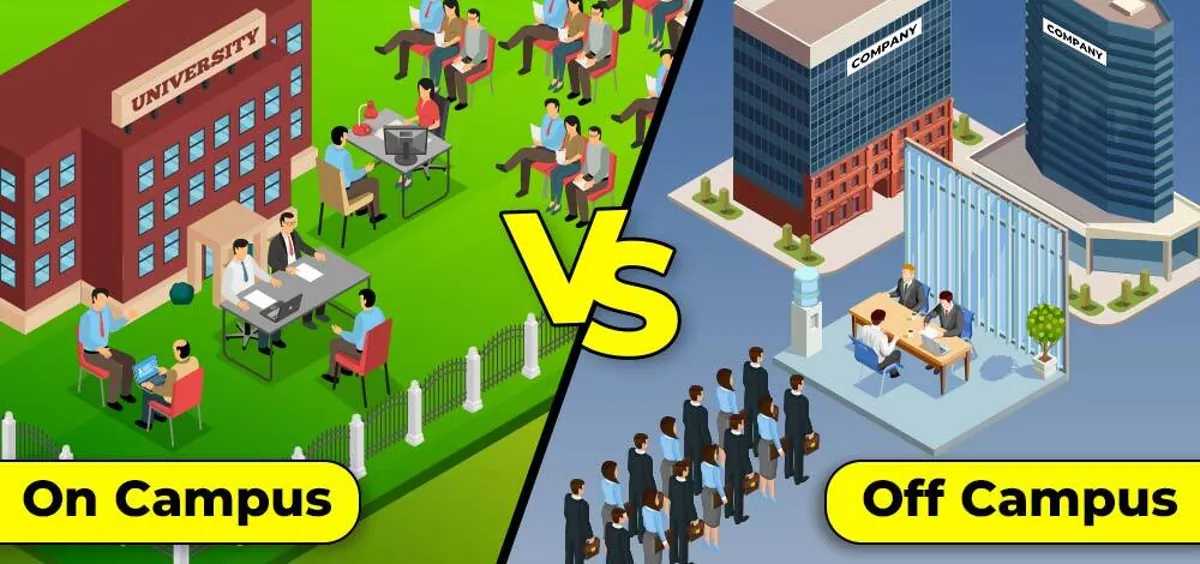
University life in the UAE moves quickly, and students often underestimate how much their living environment influences academic performance. From assignment preparation to exam readiness, daily surroundings quietly shape focus, discipline, and time management. Understanding the realities of campus life UAE universities compared with off-campus living helps students make smarter decisions that align with academic expectations, not just lifestyle preferences. For off-campus students, daily commuting adds a hidden academic cost, as limited and time-sensitive transportation options across the UAE often reduce available study hours during peak submission periods. Why Housing Decisions Matter More Than Students Expect UAE universities follow demanding academic calendars influenced by British, American, Australian, and international education systems. Assessments are continuous, deadlines are strict, and grading rubrics reward depth, structure, and academic precision. Where a student lives affects: Study consistency Access to academic resources Stress levels during submission periods Ability to meet high writing and referencing standards For students in UAE institutions, housing is not simply a comfort issue, it is an academic strategy. Understanding Campus Life in UAE Universities The Structure of On-Campus Living On-campus accommodation in the UAE is purpose-built around academic discipline. Most universities in Dubai, Abu Dhabi, Sharjah, and Ajman provide regulated residences that include shared rooms or studio apartments, meal plans, security, and designated study areas. Daily routines are predictable. Students live close to lecture halls, libraries, laboratories, and academic support offices. This proximity plays a critical role during intensive coursework weeks. Academic Benefits of Living on Campus Students living on campus are naturally immersed in academic culture. This environment encourages regular study habits and timely completion of coursework. Key academic advantages include: Immediate access to libraries and digital databases Easier communication with professors and teaching assistants Quick coordination for group assignments Greater awareness of academic workshops and deadlines For students still learning academic writing conventions, such as structured argumentation, citation accuracy, and plagiarism avoidance, on-campus life often provides valuable institutional guidance. The pressure intensifies because many institutions enforce strict attendance policies in UAE universities, making missed classes or late arrivals academically risky for students managing long commutes. Support for International and First-Year Students International students adjusting to UAE academic expectations benefit greatly from on-campus resources. Many universities offer: Writing labs Language support sessions Orientation programs focused on academic integrity Peer mentoring These services are easier to access when students live within the campus environment, especially during the first year. Social Environment and Cultural Sensitivity Campus life in UAE universities is professionally managed and culturally respectful. Social activities are structured, inclusive, and aligned with local norms. While this environment may feel controlled to some students, it often reduces distractions during high-pressure academic periods. Limitations of On-Campus Living Despite its benefits, on-campus housing has drawbacks: Limited privacy Fixed rules and curfews Less independence in daily decision-making Higher costs at some institutions As students progress into advanced coursework or research-focused programs, they may feel constrained by campus routines that no longer match their academic maturity. Off-Campus Life: Independence with Academic Responsibility What Off-Campus Living Means in the UAE Off-campus living involves renting apartments or shared housing across Emirates such as Dubai, Abu Dhabi, Sharjah, or Ajman. Students manage their own schedules, transportation, and household responsibilities while attending university. This option is common among senior undergraduates, postgraduate students, and those balancing internships or professional commitments. Flexibility and Academic Autonomy Off-campus living offers control over time and space. Students can design personalized study environments and work according to their most productive hours. Potential academic advantages include: Customized study schedules Quiet environments for research and writing Greater independence in managing deadlines Flexibility for internships and part-time roles For disciplined students, off-campus life can support deeper engagement with complex academic tasks such as research papers and final-year projects. Common Academic Challenges Off-Campus Students Face Independence also brings challenges that directly affect coursework: Long commutes reducing available study time Household distractions during assessment periods Difficulty coordinating group assignments Reduced access to on-campus academic support Many students underestimate how quickly these factors compound during overlapping deadlines. How Living Arrangements Affect Assignment Performance Time Management Under UAE Academic Pressure UAE universities are known for dense semesters. Multiple assessments often overlap, leaving little margin for delay. On-campus students benefit from structured routines that reinforce consistency. Off-campus students must actively create discipline to avoid last-minute academic stress. Group Projects and Collaborative Learning Group assignments are common across universities in Dubai and Abu Dhabi. Students living on campus coordinate meetings more easily, while off-campus students often struggle to align schedules due to commuting and personal obligations. Delayed collaboration can negatively affect: Project quality Peer evaluations Final grades Writing Quality and Cognitive Focus Academic writing requires uninterrupted concentration. Living environments directly influence: Research depth Draft revision quality Citation accuracy Compliance with plagiarism policies Students juggling commuting, household tasks, and coursework often face time pressure that compromises writing quality. This is why many students seek structured academic guidance during peak submission periods. Academic insights and preparation strategies shared on the Homework and Assignment Helper blog help students understand expectations before deadlines become overwhelming. Financial Considerations and Academic Trade-Offs Cost Differences Between On-Campus and Off-Campus Living On-campus housing usually includes utilities, internet, and meals, creating predictable expenses. Off-campus living may appear cheaper but often includes hidden costs such as: Transportation Utility bills Furnishings Maintenance Financial stress frequently impacts academic focus. Students working additional hours to cover living expenses often struggle during exam-heavy or writing-intensive semesters. Evaluating Cost Through an Academic Lens Lower rent does not guarantee better outcomes if academic performance suffers. Many students reconsider housing choices after experiencing burnout during critical assessment phases. Repeated delays, rushed submissions, or missed deadlines can place students at risk under formal academic probation rules in UAE universities, where performance drops carry serious academic consequences. International Students and Academic Adjustment International students face added challenges beyond coursework, including: Language expectations Referencing systems Academic integrity rules On-campus living often accelerates adjustment by providing access to institutional support. Off-campus international students must proactively seek guidance to maintain academic standards. Students enrolled in … Read more

Translate »